A life insurance company provides a mobile APP for insurance agents engaged in sales. The functions of the APP include workplace check-in (the office location of insurance company personnel), business opportunity management, sales activity records, sales performance management, product promotion, on-site order issuance, etc. The sales management department uses the management system to require agents to use the system and conduct performance appraisals of agents based on system data. Although it has a certain management effect, agents complain that this APP cannot help them improve their business and is only used to meet the above requirements. This is a system "made for leaders."
An automobile manufacturing company established a procurement management platform and supplier collaboration platform many years ago. Today, they hope to use digital means to "empower" procurement personnel, including big data analysis of suppliers and purchased materials, intelligent assistants for supplier negotiations, life cycle information of BOM and purchased parts, category management of non-production materials, intelligent procurement sourcing and other "user scenarios". They tried to find a ready-made software to implement it using the same method they used to find a supplier management (SRM) platform in the past. However, it was difficult to find a solution on the market that fully met their requirements.
A leading feed company sought innovative digital approaches to support its transition to a service-based sales model. This company has already built an online sales system for dealers and farmers in the past. Using such digital means not only simplifies the channel hierarchy, but also allows channel dealers or farmers to place orders and pay for products on their mobile phones. It can also provide online training to dealers and farmers on breeding techniques and feed usage. However, in order to provide a full range of products and services around farmers, in-depth interactions with farmers are also required. The current offline service delivery method through dealer partners and in-house technical service personnel has a certain degree of stickiness and the "temperature" of service, but it is inefficient, lacks the "speed" of service, and lacks the basis for proactive service.
I suggested to the senior executive of this feed company that based on my experience, there are many scenarios for on-site services for aquaculture farmers, such as helping to regulate water quality, guiding the use of fish chemicals, etc. These are not directly related to selling feed, but they can help farmers improve breeding output and create value. Therefore, the focus of service marketing digitalization is not how to help sell feed, but to use digital methods to empower the front line. We need to be user-centered and think about building "digital products" instead of building an online sales and customer service system. For example, you could make a "Didida breeding services"The platform establishes a new relationship between farmers, dealers, and brands. Farmers are equivalent to passengers, dealers are equivalent to drivers, and your company is equivalent to the Didi platform. Based on the demand scenarios of farmers, you will reconstruct your digital products and services.
I have observed that during the digital transformation of enterprises today, many managers have misunderstandings about the application of enterprise-level information technology, and do not clearly distinguish the difference between "enterprise systems" and "digital products." Even if the client is in the form of a mobile APP, the two methods are essentially different.
Some managers' understanding of information technology applications is limited to the traditional thinking of building management information systems, that is, information systems are to support business processes, and the ultimate value is to serve managers. Other managers may be influenced by the current fashionable concepts. When it comes to enterprise systems, they refer to "middle platform and microservice architecture." This phenomenon is exactly the same as when I met some people working on enterprise systems 20 years ago and said, "We are not the old C/S architecture, we are a B/S multi-layer architecture, so we are more advanced!"
“enterprise system"and"digital products” are two different digital ideas.
Enterprise-level management information systems, whether it is an ERP system integrating financial business, a CRM system for sales management, an SCM/SRM system for supply chain management, etc., the traditional client is in the form of a computer desktop interface. Today, it is more fashionable to use a mobile APP as the user client. With this application form, there is no need to worry about whether there is a "middle platform"; and if it is a digital product that empowers users and continues to iterate, it does need a "middle platform."
For example, if the APP used by sales staff only has the functions of checking inventory, placing orders, and applying for discounts, then it is a CRM mobile front-end, which belongs to the enterprise management system, but the front-end form is just a mobile application, and does not require a "middle platform"; if it is to empower the knowledge and resources of sales staff, provide social interaction with customers, etc. etc., emphasizing the user experience of sales staff using mobile tools, that is, digital products, which are different from the architecture and construction methods of CRM systems, because the front-end business scenarios continue to change, and the accumulated business capabilities are continuously iterated and put on a public platform to form reusable services, forming the so-called "middle platform".
The above three examples:
-
I think the current APP of insurance companies is just the mobile front-end of the enterprise system;
-
For automobile manufacturers, enterprise systems need to be decoupled to support digital products for users (purchasers);
-
The case of feed companies completely uses digital products to innovate business models.
Simply put,"Enterprise systems" are oriented to processes and control, while "digital products" are oriented to user experience and innovation.。
The development process of a traditional enterprise system is as shown below, the so-called "waterfall method", which includes linear steps such as clarifying business scope, sorting out requirements and business processes, writing system development documents, code development, system integration and testing, data initialization and go-live:
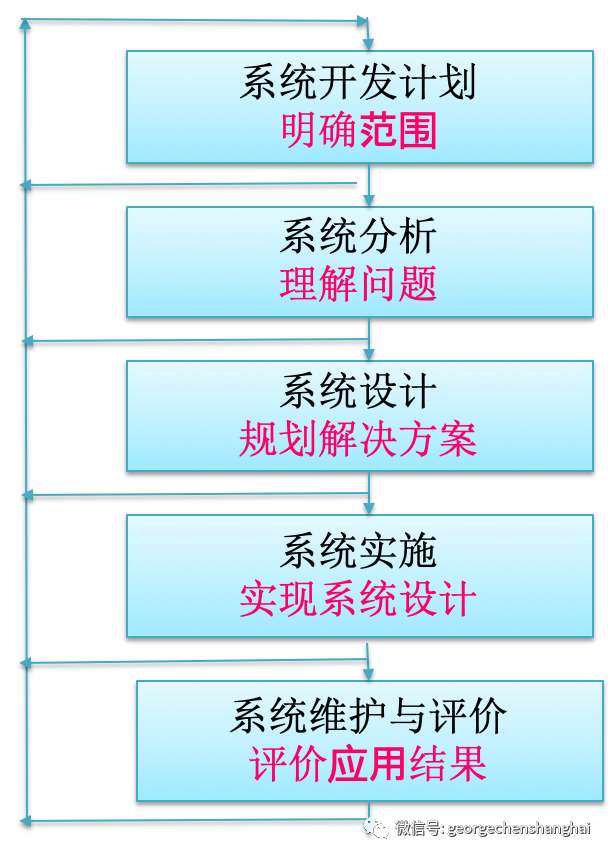
The implementation principles of implementing enterprise-level packaged software (such as SAP ERP) are basically the same as the above software life cycle processes. However, today, the creation process of enterprise-level digital products has undergone great changes. Mobile applications are used as the front end, development is carried out in agile mode, and the cloud is used as the application carrier. As shown in the figure below, it has the following characteristics:
-
Use enterprise-level design thinking to create products: identify users, study user behavior, define minimum usable products, and quickly build prototypes
-
Leverage agile methods to develop products: autonomous product teams, hypothesis-driven requirements, pair programming, test-driven development (TDD), continuous product prioritization
-
Continuous development integration and release: code base management, small batch multi-stage, test automation, automatic delivery, continuous integration
-
Multi-cloud production environment: function orchestration and scheduling, automatic server configuration, automatic operation
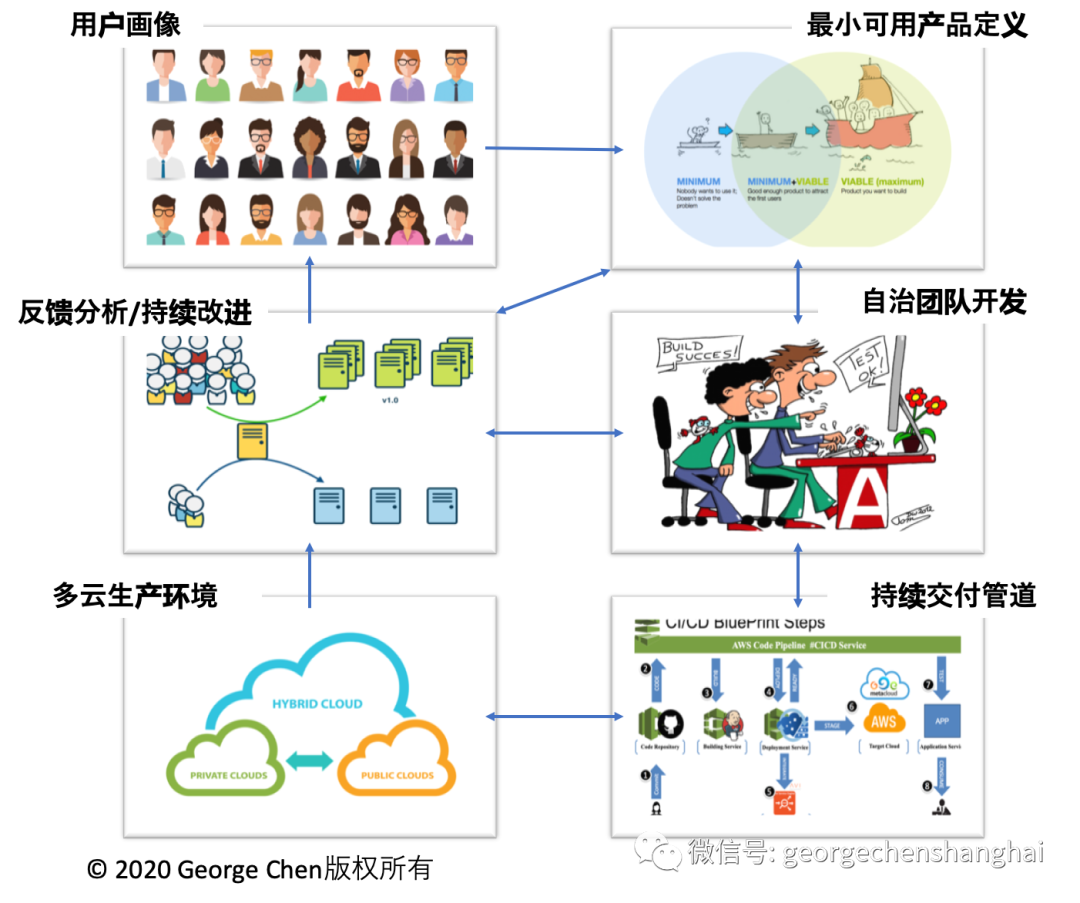
Digital products pay more attention to humanized design and integrate business processes with user scenarios. See the old article:
Not on the same channel | What is the difference between "process" and "scenario"?
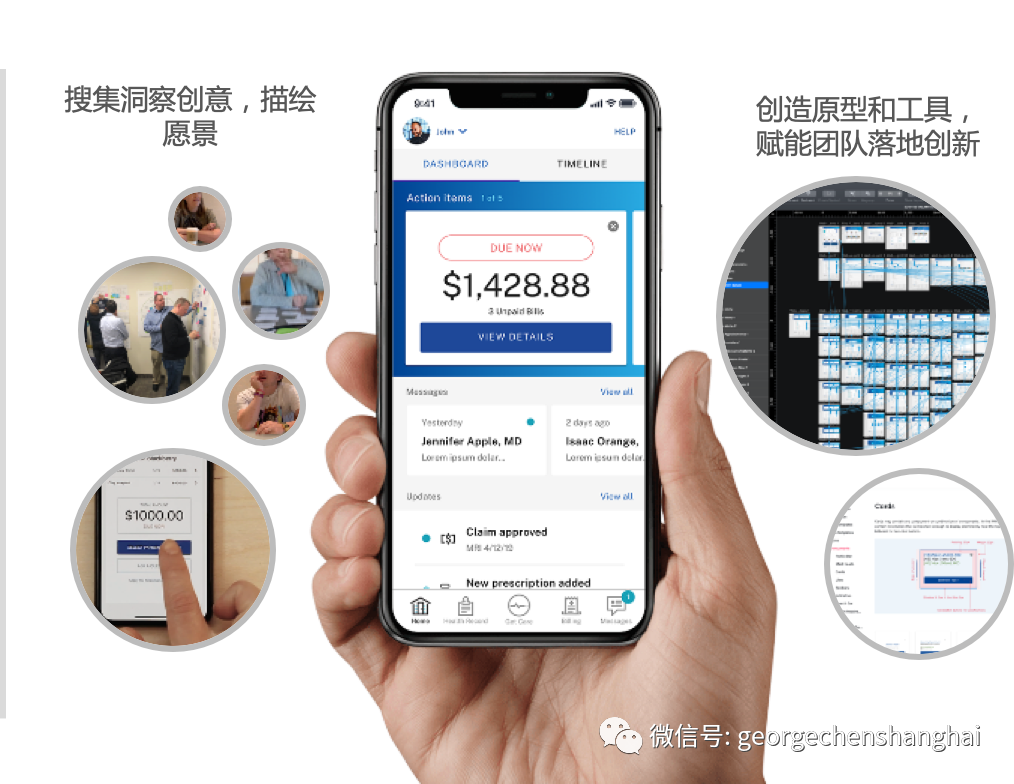
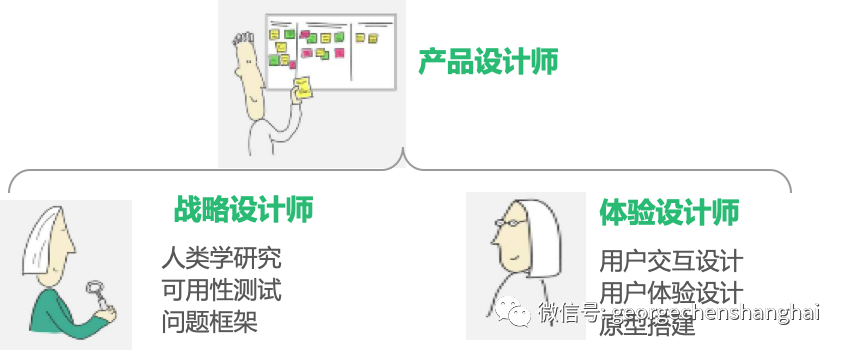
Digital products need to beproduct managerThe roles to manage products include:
-
Manage agile teams
-
Set product strategy and roadmap
-
Humanized design
-
Product development and architecture management
-
Agile execution
-
Analyze user experience feedback and develop business
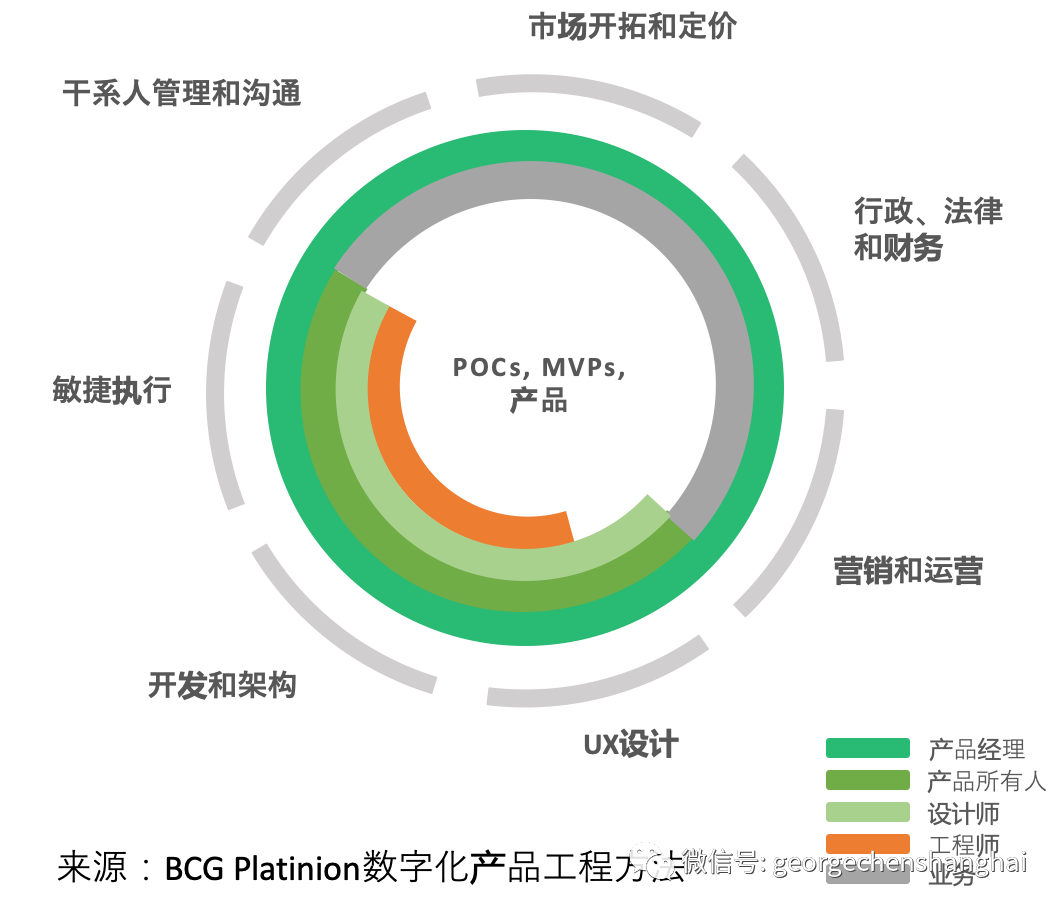
I have been working on enterprise systems for decades, but digital products are a new topic. I am very interested in discussing with you the methods of digital product creation:
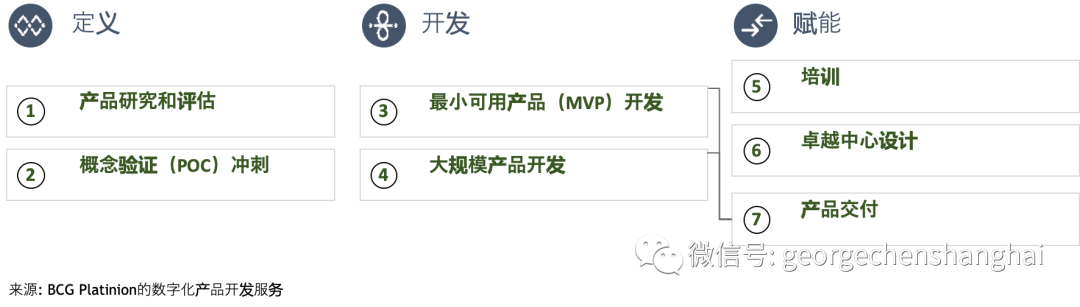
Digital transformation, please pay attention

Machine-translated from the Chinese original 数字化创新 | 企业系统APP和数字化产品的区别 (published 2020-03-31). WeChat original ↗