The manifestations of enterprise digital transformation are: "Online work, mobile applications, and data-based decision-making”。
On the surface, this does not seem to be much different from the application of enterprise information systems in the past; by the way, at a company exchange meeting this week, an enterprise human resources information manager struggled with me for a long time. He kept challenging me: What is the difference between the "digitalization" you are talking about and "informatization"? We already have these "digital" functions you mentioned...
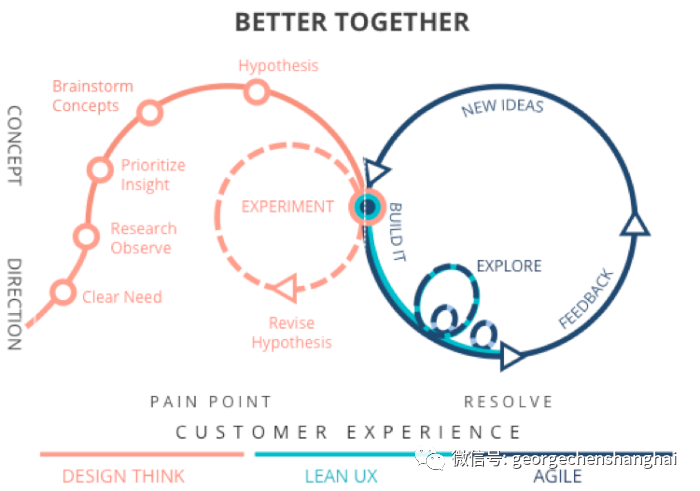
In fact, the method and process of digital transformation and the way IT and business collaborate have made great progress compared with traditional informatization. The basic differences are:
-
Discover digital opportunities using design thinking
-
Define user use cases using Lean UX methods
-
Use case (Use Case) driven agile method iterative development
-
Digital and Data Platform (DDP), cloud-based architecture
What is the difference between informatization and digitalization? I thought of a vivid metaphor:
That’s the difference between email and WeChat!
Humanized design and user experience-oriented digital product creation methods are not only used in consumer-level Internet applications. Traditional enterprise backend systems and core business systems, such as ERP, are increasingly transforming into new generation digital product creation methods.
Discussing the middle platform again | DDP brings about a revolution in enterprise core systems
Digital Innovation | The difference between enterprise system APP and digital products
Not on the same channel | What is the difference between "process" and "scenario"?
Let’s take the development of an enterprise-level e-procurement platform as an example: eProcurement is not a new field of IT applications. The general process of information system development methods used in the past is:
-
Analyze requirements
-
Design business processes
-
Confirm system plan
-
System Development-Testing
-
Data preparation and staff training
-
System online
The cycle of such a project can be as short as half a year or as long as several years. Let’s look at how the digital transformation of the procurement process based on humanized design and agile methods is done:
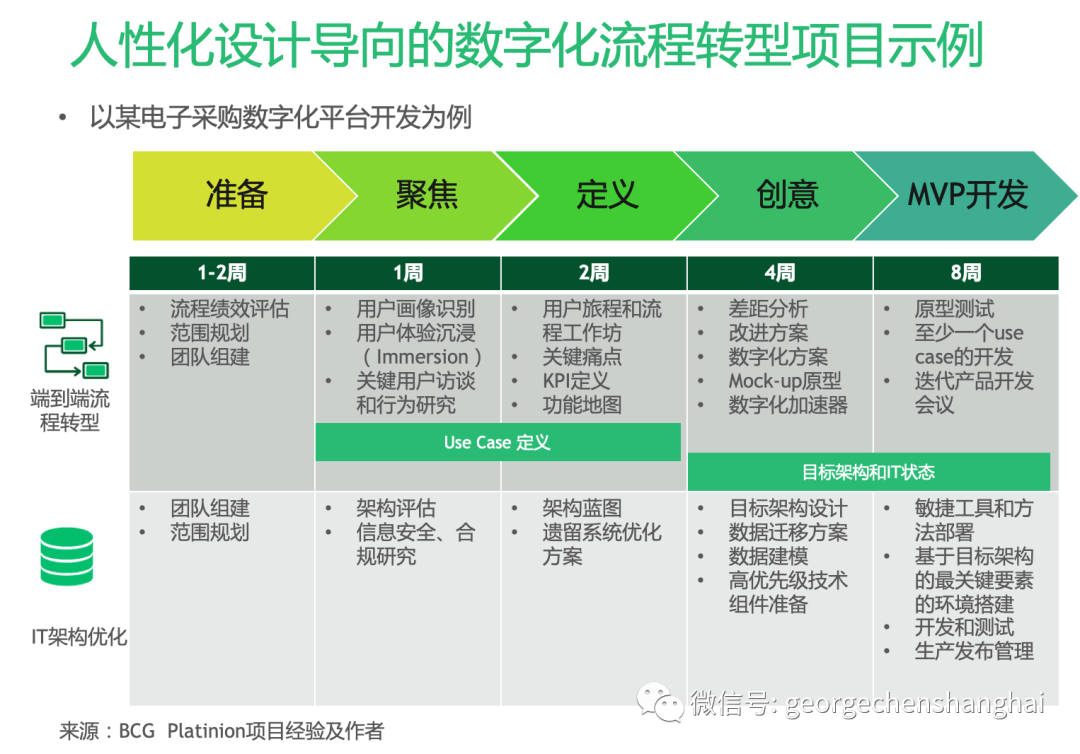
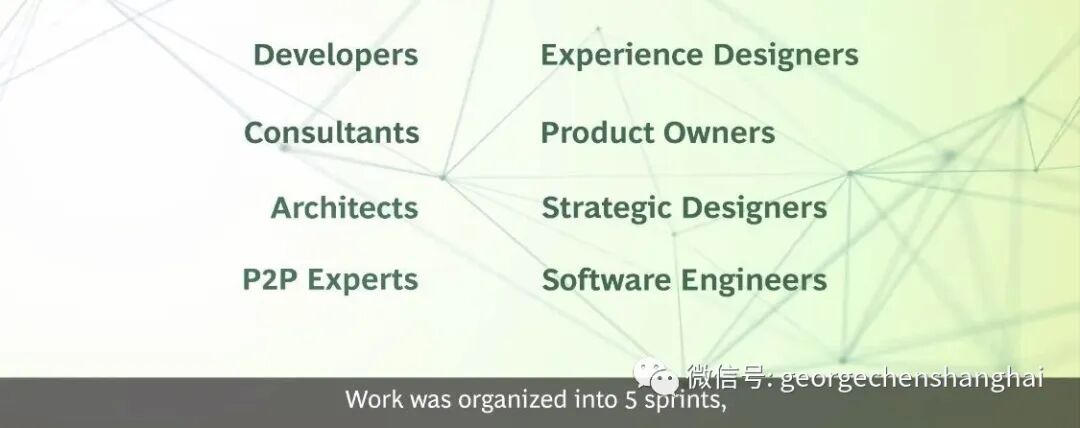
In traditional IT system development, the roles are project managers, business analysts, architects, development engineers, test engineers, etc., while in digital product development, in addition to consultants, architects, and engineers, there are also roles such as strategic designers, experience designers, and product managers:
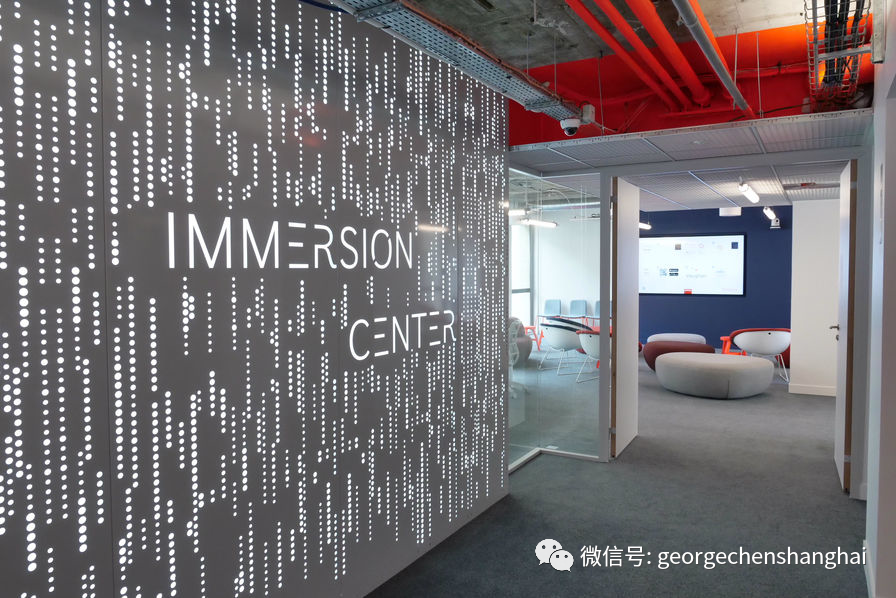
The new development method is why digital consulting companies now set up immersion centers, such as BCG’s digital immersion center:
The design process is:
-
Starting Point: Business Process Analysis
-
User interviews
-
On-site field observation, such as procurement shared service center, supplier negotiation site, warehouse operation site, etc.
-
Draw user journeys and value stream maps through workshops and other methods
-
Develop and filter long lists of use cases; assess the business value of transformation
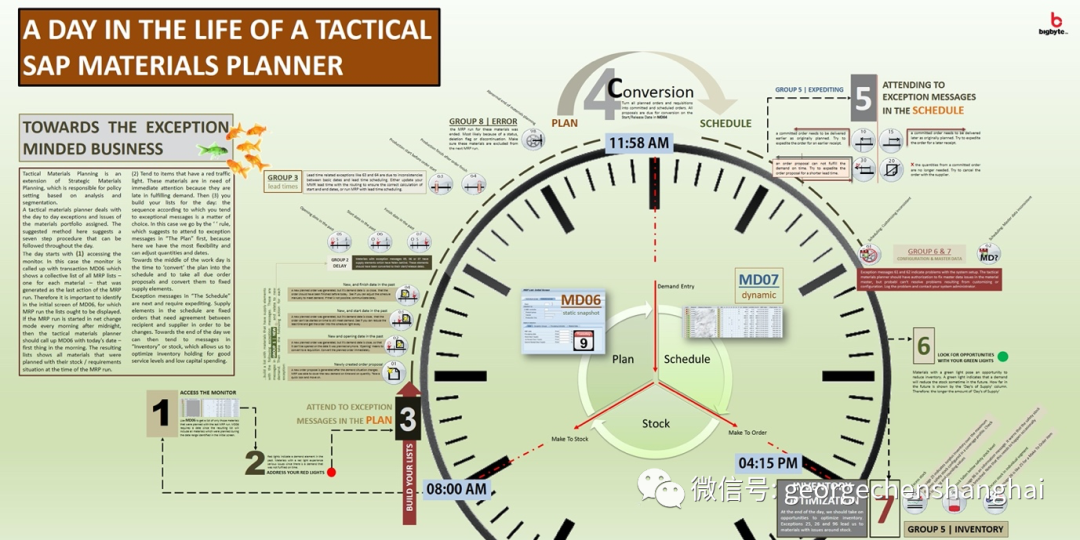
Although the business process analysis method is still useful, the focus of today's working method is not to discuss the process (unless it involves risk control points), but to stand from the user's perspective and study the behavior and digital touch points of a user role during a day's work, such as "A day in the life of a material planner" (A day in the life). This is an example:
Digital platform development generally has an iteration cycle of three months. In each cycle, new applications are released and versions of old applications are updated. For example, the application iteration process of purchasing a digital platform is:

First round of agile iterations:
Output: 3 applications
Content:
-
Procurement data analysis
-
Procurement cost simulation and analysis
-
stock cockpit
The second round of agile iteration:
Output: 7 applications in total (including old version updates)
Content:
-
Procurement market insights
-
Supplier Portal
-
Online bidding
-
Bidding analysis on the enterprise side
The third round of agile iteration:
Output: A total of 11 applications released (including updates to old versions)
Content:
-
Online sourcing
-
Purchase order tracking
-
Inventory information sharing
-
AI Intelligent Procurement Negotiation Assistant
-
Supply chain data analysis
The fourth round of agile iteration:
Output: A total of 15 applications released (including old version updates)
Content:
-
Procurement contract management
-
Warehouse Management SaaS
-
Purchase requisition cockpit
-
Supplier management
Digital transformation, please pay attention

Machine-translated from the Chinese original 从采购流程数字化案例谈人性化设计和数字化产品的方法 (published 2020-06-08). WeChat original ↗