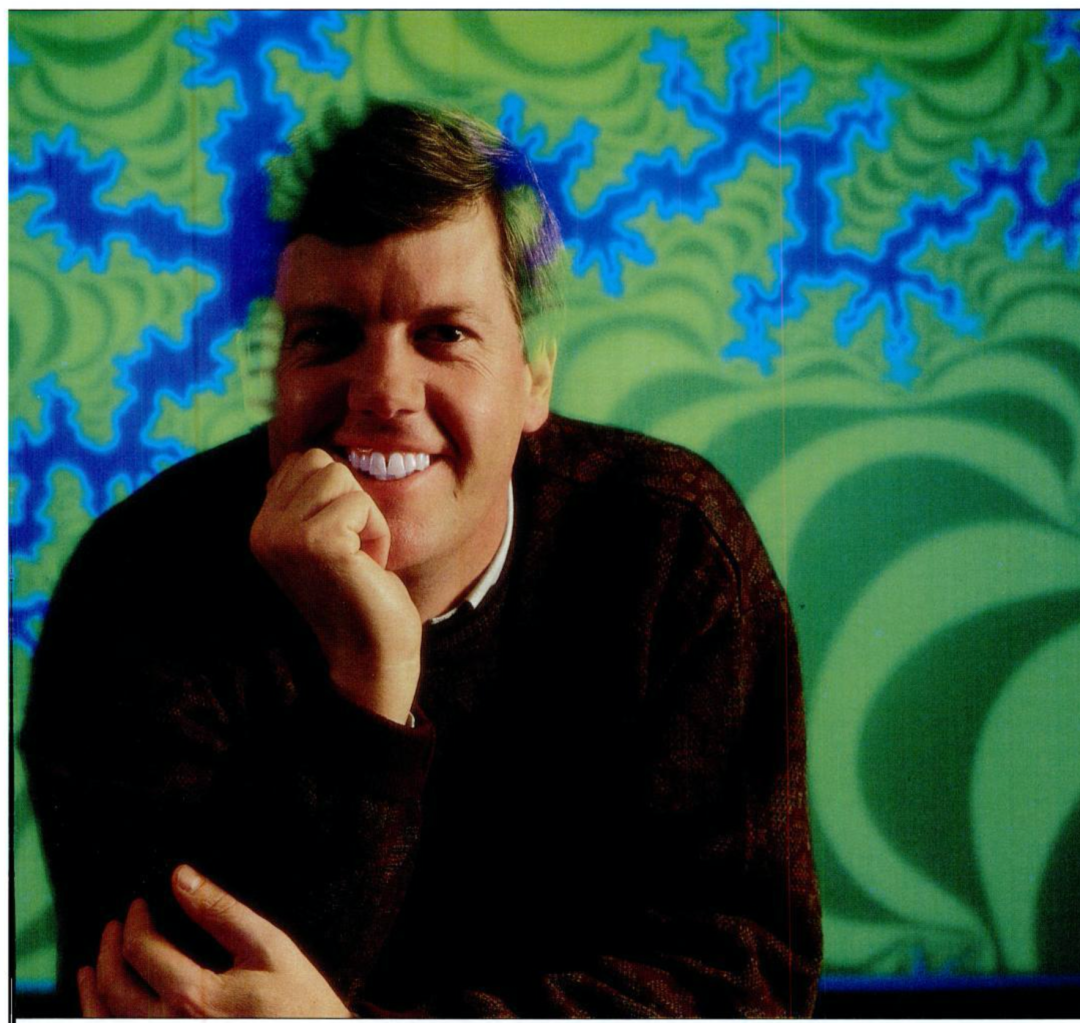
19、 Scott McNealy
Representative Silicon Valley companies include HP, 3Com, SGI, Apple, Oracle, Cisco and Sun MicroSystems (hereinafter referred to as Sun).
Developments before 1992
The origin of Sun is a "high-performance workstation" computer research project led by Andreas Bechtolsheim, a German-born computer engineer who was a doctoral student at Stanford University. This project is also a program funded by the U.S. Department of Defense DARPA.
Bechtolsheim was born in Germany in September 1955. He showed a talent for electronic engineering in middle school. After graduating from the Technical University of Munich in 1974, he received a scholarship from the United States to study for a master's degree in computer science at Carnegie Mellon University in the United States. In 1977, he transferred to Stanford University to study for a PhD in electrical engineering.
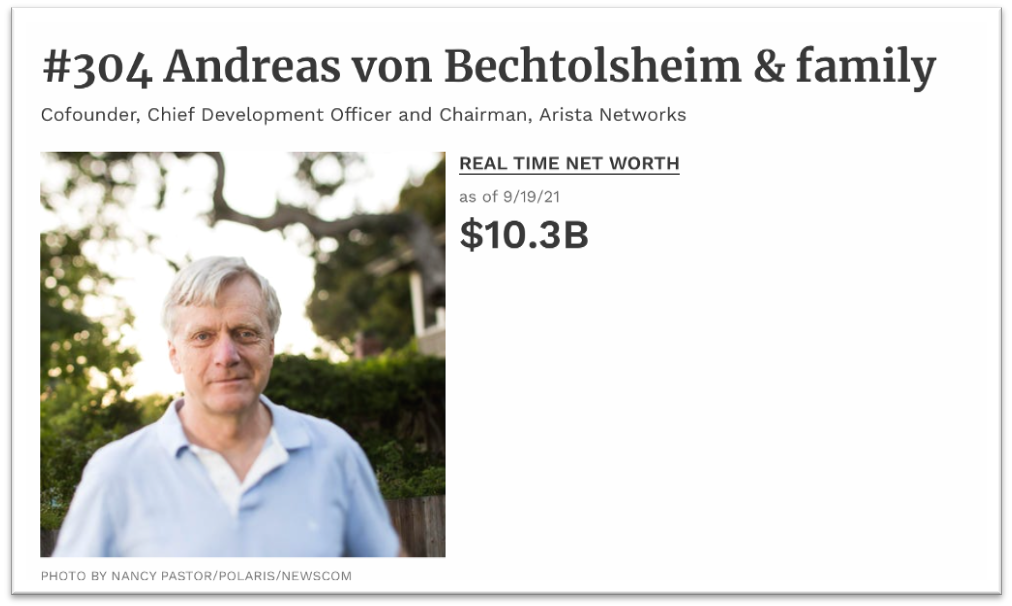
Today, Andreas Bechtolsheim's personal worth reaches US$10.3 billion, ranking 304th on the Forbes rich list. In addition to founding Sun, he also founded and invested in a number of network equipment and electronic design software companies after leaving Sun. In 2004, he sold his startup Kealia to Sun and returned to work at Sun. However, his main wealth comes from the $100,000 check he and another Stanford computer science professor colleague and business partner David Cheriton (today’s personal worth of 11.3 billion, 269th on the Forbes list) jointly wrote to his students and the two founders of Google in 1998 as angel investors in Google.
Bechtolsheim pioneered a new type of computer - the workstation (Workstation), which was used by a single user like a personal computer (PC), but was more powerful, equipped with a high-resolution graphics processor, designed for networked work, and could handle engineering calculations and computer-aided design (CAD); at that time, a similar computer was the Apollo that had been launched earlier. Computer (acquired by Hewlett-Packard in 1989 and became part of HP Graphics Workstations), Bechtolsheim used off-the-shelf electronics found in the Stanford Computer Science Department warehouse and on the Silicon Valley market, making them cheaper. He broke the convention of using dedicated operating systems for computers at the time, hoping to allow different workstation brands running on the same operating system to share data, and chose the UNIX operating system, which originated from AT&T and was very popular among scientists and engineers. Unix allowed users to perform multiple tasks on the screen at the same time.
In 1981, this computer priced at US$10,000 and named SUN (the abbreviation of Stanford University Network) went on sale, attracting the attention of Stanford MBA graduates Vinod Khosla (a venture capitalist from India who focuses on the technology industry, currently ranked 363rd on the Forbes list of the richest Americans) and Scott McNealy's interest, they both have some background in the computer industry, served as president and manufacturing director respectively when it was founded in February 1982, while Bechtolsheim served as head of hardware technology. One of the first people hired by the founding team was a computer science master from the University of California, Berkeley.Bill Joy, he designed a popular version of the UNIX operating system (BSD) and was responsible for software design. These four serve as co-founders of Sun Microsystems.
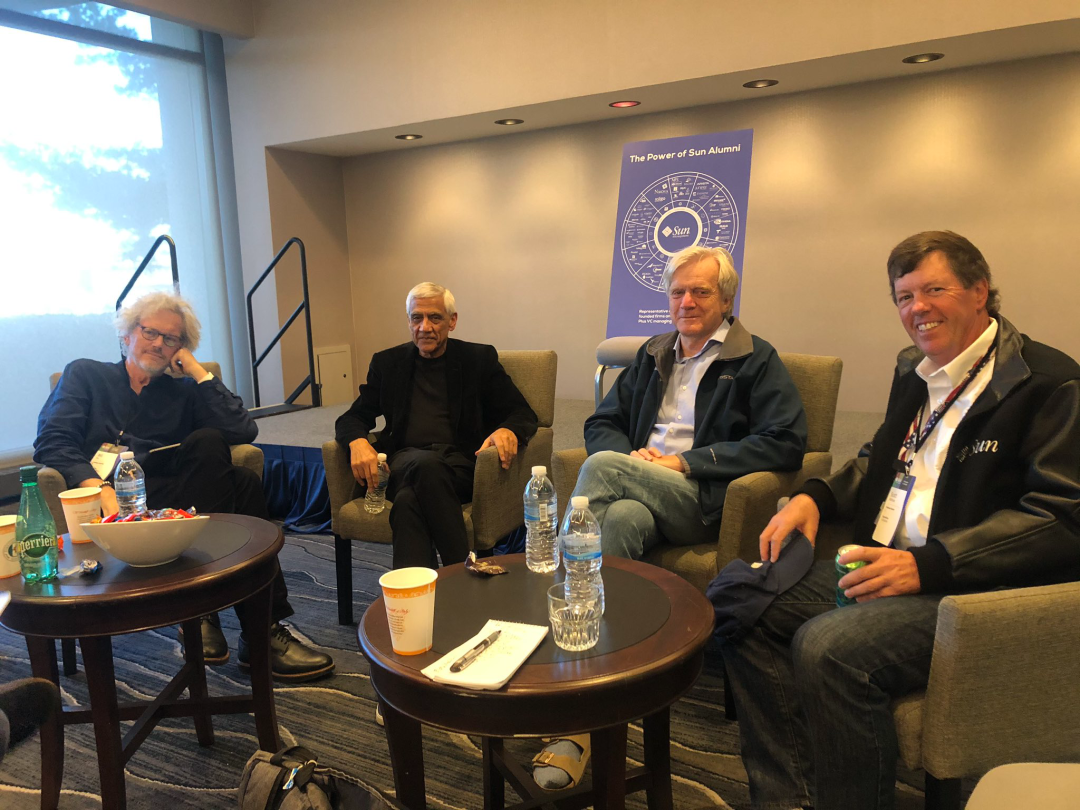
2019 Founders Party
Due to the use of standard hardware components and standard operating system software, Sun was able to quickly enter the market with low-priced machines. Coupled with convenient networking and simple operation, the company began to make profits within six months of its establishment. Sales of its first-generation products, the Sun-1 and Sun-2, came primarily from the university market and image processing work in Hollywood.
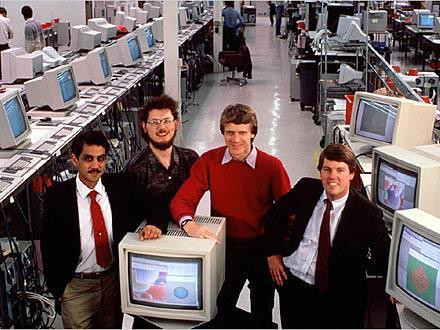
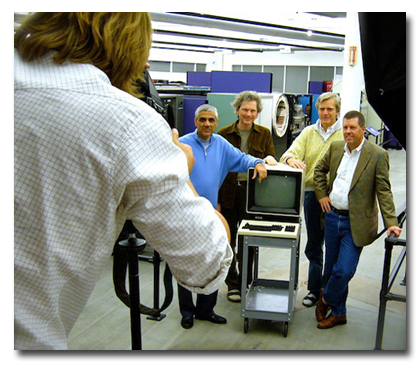
Not satisfied with the school education market, Sun's founders set their sights on the technology application market occupied by mainstream manufacturers such as IBM and DEC. The first great commercial success was in 1983 when Vinod Khosla and Scott McNealy won a three-year, $40 million order from ComputerVision, a CAD (computer-aided design) system supplier. At that time, Sun had only 40 employees in the entire company.
ComputerVision, a pioneer in the CAD/CAM field located near Boston, was preparing to launch a new CAD software platform and abandon its self-developed workstation hardware system. His self-developed workstation is called InstaView, and the server-side software is a PDM system, running on a minicomputer. See "Product Life Cycle Digitization | Challenges and Prospects of PLM"; the separation of software business and hardware business of computer companies began at this time. At that time, the Apollo company near CV was about to sign a contract. Sun entrepreneurs Khosla and McNealy took a red-eye flight from the western United States to promote it and grabbed the order. The workstation of ComputerVision's entry-level CAD system CDS 3000 is the OEM's Sun-2. Later, the workstations and servers of its other series of products also gradually adopted Sun's products. In 1998, ComputerVision was acquired by PTC, a major CAD/PDM manufacturer.
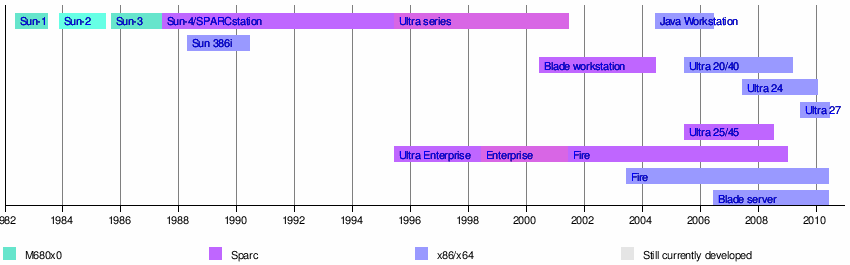
Sun's Hardware Generations
Sun expanded rapidly in the late 1980s and became the leader in computers with the 68000 series (which uses Motorola 68000 series 16-bit chips, which my father taught me to pronounce as "six-eight-thousand" when I was a child. It was used in graphics workstations and PCs in the early 1990s, and was still used in printer embedded controllers, TV game consoles, etc. until the 1990s). It also established a subsidiary Sun Federal serves the government market. In 1986, the National Security Agency signed a $500 million purchase contract with Sun. By 1991, Sun Federal accounted for more than half of the U.S. federal and local government workstation market. Sun's Silicon Valley-style open, easy-going, technology-oriented corporate culture has attracted many engineers from top universities and managers from other major computer manufacturers, and is a representative of Silicon Valley culture.
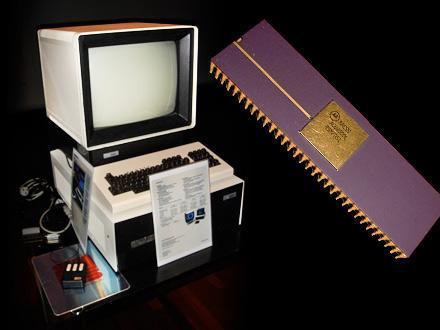
68000 chip and Sun's first generation products
During this period, Sun continued to promote open systems. It widely licensed distributed file system software NFS (Network File System) designed by Joy to allow network users to share data regardless of processor type, operating system or communication system. It later became part of the Internet protocol and the open standard became the technological mainstream of workstations.
In 1984, Indian Khosla realized his dream of retiring as a millionaire before the age of 30 and left his job to invest. McNealy took over as president and stayed there for 22 years.
Unlike other technology company founders who have scientist or engineer backgrounds, Scott McNealy does not have any science or engineering background and focuses entirely on business. He was born into a car family in Detroit, the car city at the height of its prosperity. His father was the vice chairman and vice president of marketing of American Motors Corporation (AMC). McNealy was deeply influenced by his father - from Sun's products and advertising strategies to his love of beer and golf. Although he graduated from Harvard and Stanford, McNealy has always laughed at himself that he has no academic interests and likes to have fun. "My college major is golf."

Advertising planned by McNealy's father in the late 1960s
In the mid-1970s, McNealy, who came from a well-off family, first went to Harvard to study for a degree, and then returned to work in his father's company. In the early 1980s, his Harvard teacher William Raduchel invested in a Unix minicomputer startup in Silicon Valley and invited him from central China to California to be in charge of production. McNealy went to Stanford to study for an MBA. In 1982, Khosla, who was starting his own business, persuaded his MBA classmate McNealy to join the business at a McDonald's restaurant on the Stanford campus. After William Raduchel worked for Xerox and other companies for several years, McNealy invited him to Sun in the late 1980s to be responsible for strategy, and later worked at Sun for more than ten years.
In the mid-1980s, Sun was one of the fastest-growing companies in the United States, with a compound annual growth rate of 145%. After a successful initial public offering in 1986, Sun's sales subsequently surpassed that of rival Apollo, reaching $1 billion and becoming the leader in the workstation industry. Due to continuous technological innovation and the establishment of strong relationships with software developers, "workstations" as a computer category have occupied the minicomputer market, allowing mainframe manufacturers such as IBM to enter the market to improve their product lines.
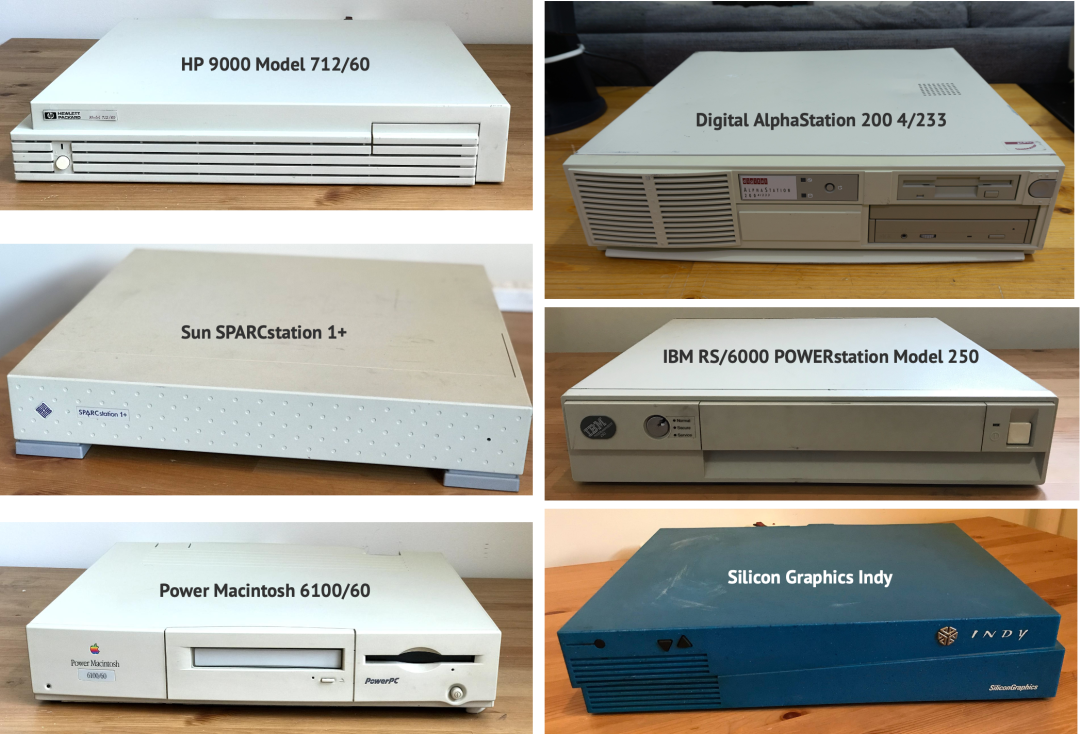
Under McNealy's leadership, Sun launched a new generation of workstations based on a new generation of CPUs in the late 1980s, which used a 32-bit RISC (reduced instruction set computing) architecture, which was simpler but faster than the previous generation 68000 and the CISC (complex instruction set computing) architecture that was popular at the time. Although Sun was not the earliest inventor of the RISC architecture, it designed its own RISC architecture, called SPARC ("Scalable Performance Architecture"), which became the representative of the RISC architecture. In April 1989, Sun launched the SPARCstation 1, a small, low-cost desktop computer that quickly dominated the RISC-based workstation market and was oriented to high-performance scientific computing, image processing and other fields. This advantage lasted until the late 1990s, when Sun workstations were competed by "WinNT + Pentium chips" from "Microsoft + Intel" and retreated to the high-end field.
A “pizza box” workstation with RISC chips in the early 1990s
McNealy's promotion of SPARC research and development put a lot of pressure on the team. At the same time, another team called MIPS at Stanford University was researching the same technology, which was later applied to Silicon Graphics (SGI) and DEC workstations; the marketing department found that SPARC was pronounced CRPAS backwards (a mess), and was too scared to tell anyone.
Sun does not produce processors and computer chips itself. In 1987, it licensed Bechtolsheim's SPARC design to some chip manufacturers (such as Texas Instruments) to produce chips according to Sun's needs. In order to maintain its "open system" tradition, in July 1988, Sun announced that it would provide RISC licenses to other computer manufacturers to increase market penetration and increase the number of third-party applications. Later, it also established an independent testing organization called SPARC International, hoping that SPARC would become a replicable standard like the IBM PC. However, Sun has not been active in promoting open standards, its business policies have been inconsistent, and not many major manufacturers have responded. By the early 1990s, all of Sun's own workstation models were based on the SPARC architecture.
As the SPARCstation advances, Sun continues to refine its operating version of Unix. In 1987, Sun signed an agreement with AT&T to develop an enhanced version of the UNIX operating system, making it the software standard for workstations. AT&T even made a 19% equity investment in Sun in 1988 (sold when it acquired NCR in 1991). The System V Release 4.0 (SVR4) jointly launched became the de facto high-end UNIX kernel standard. Most of the UNIX systems used on workstations and servers in the 1990s (such as Hewlett-Packard's HP-UX, Sun Solaris) were licensed from this.
In 1989, when HP acquired Sun's competitor, Apollo, an old-school minicomputer manufacturer in East Boston, the United States, the market share after the merger exceeded Sun, which put some pressure on the latter. However, SUN adjusted its product strategy and focused all three product lines (SPARC, Motorola, and Intel) into a single SPARC series and launched new models. By the end of 1990, the workstation market share reached 30%, surpassing HP.
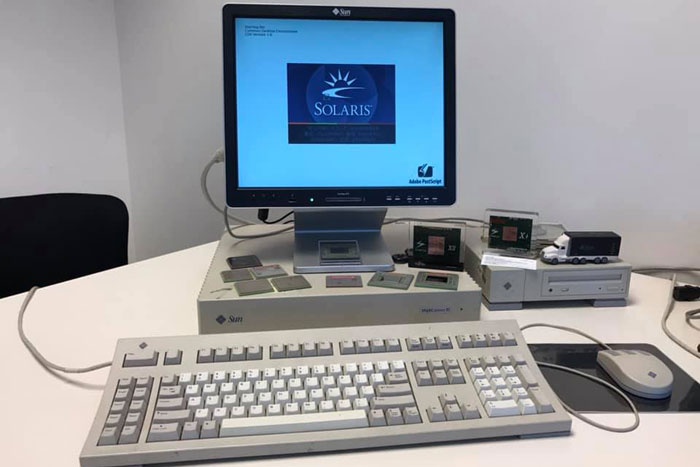
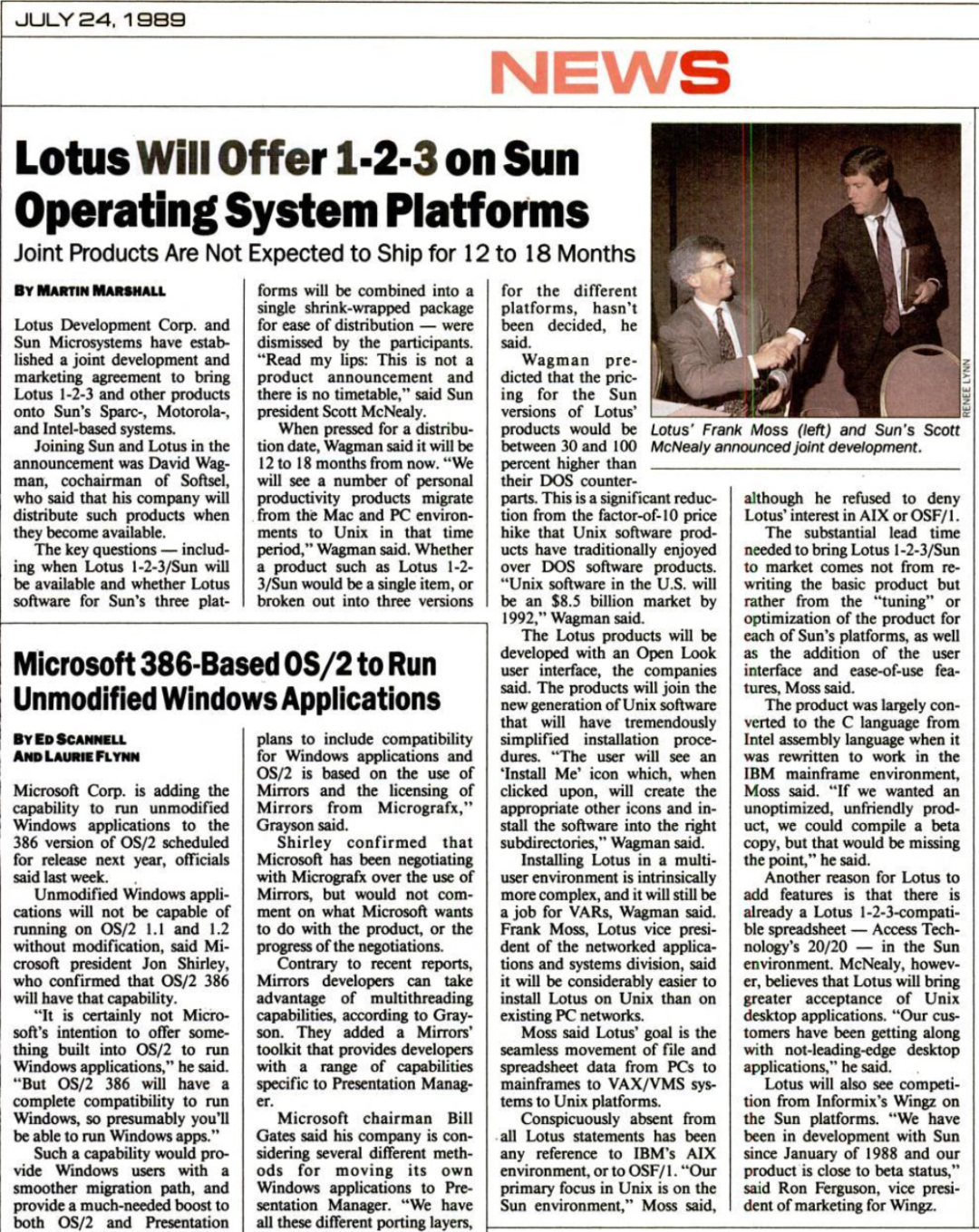
SUN has expanded the target market of its workstations from the engineering market of engineers, software developers and chip designers to business users such as insurance companies, investment brokers, airlines and publishers, and launched a series of low-end products priced under $5,000, sold through dealers, to compete with high-end PCs in the business computing market. McNealy promoted the launch of Unix versions of personal commercial software such as Lotus 1-2-3, WordPerfect, and dBaseIV to adapt to SUN workstations. At that time, SUN had more software varieties than other Unix vendors, making SUN's commercial market share reach one-third of its total revenue by the end of 1992.
At this time, Sun spared no effort to promote the UNIX operating system to establish technical standards. It not only announced that the next generation of Sun Unix operating system (later Solaris) would run on machines with Intel and other chips, but also acquired the Unix operating system software based on Intel chips from Kodak. Sun hopes that more and more computers will use its operating system, which will increase the number of Sun workstations connected to the Internet and expand the software ecosystem, thus boosting Sun's hardware sales.
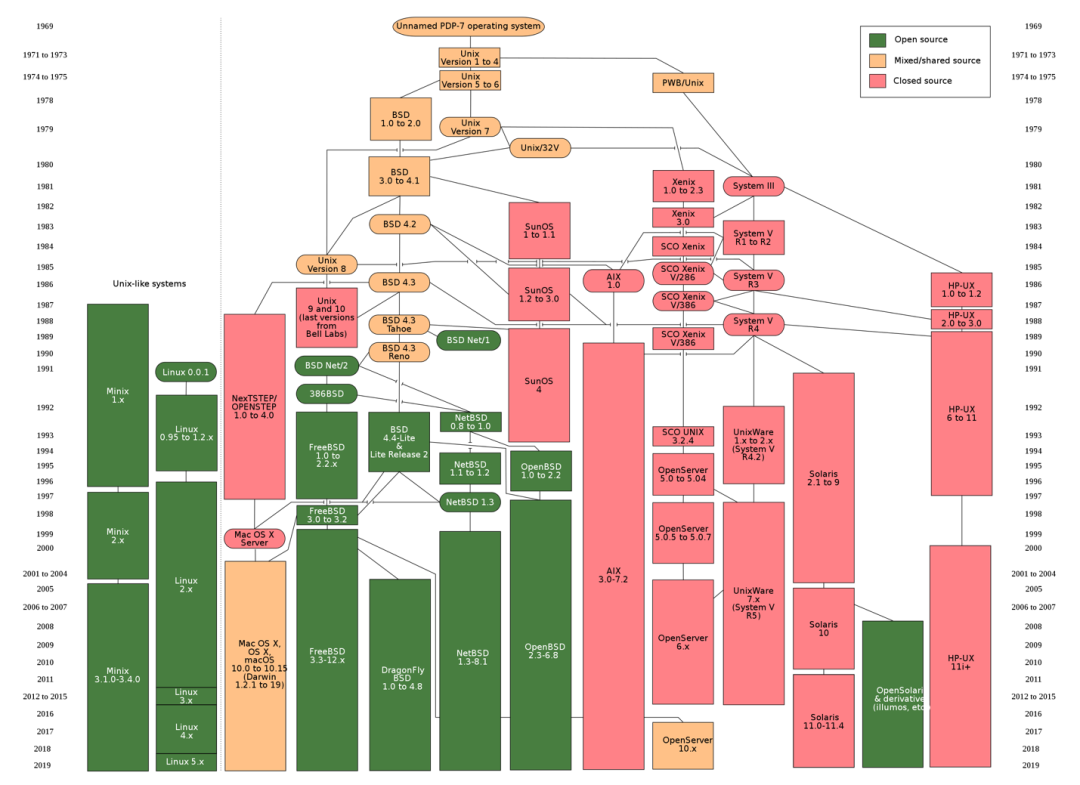
UNIX version history
In the early 1990s, following IBM and Apple, Sun became a company with a mixed software and hardware business. At this time, Sun's business produced two changes: First, a group was established (as shown below), and the independent software business was split into SunSoft, and the SPARC chip business license was split into Sun Microelectronics, with McNeely serving as CEO of the group and core company SMCC; second, from individual users oriented to technology and business, it entered new customer and product markets - enterprise-level customers and servers, especially when Microsoft released Windows, a high-performance operating system that supports CISC and RISC in 1993 NT threatened Sun's workstation market, and Sun entered the workgroup LAN computing environment and provided workgroup server software and hardware. This also kicked off the fierce competition between Sun and Microsoft in the next ten years.
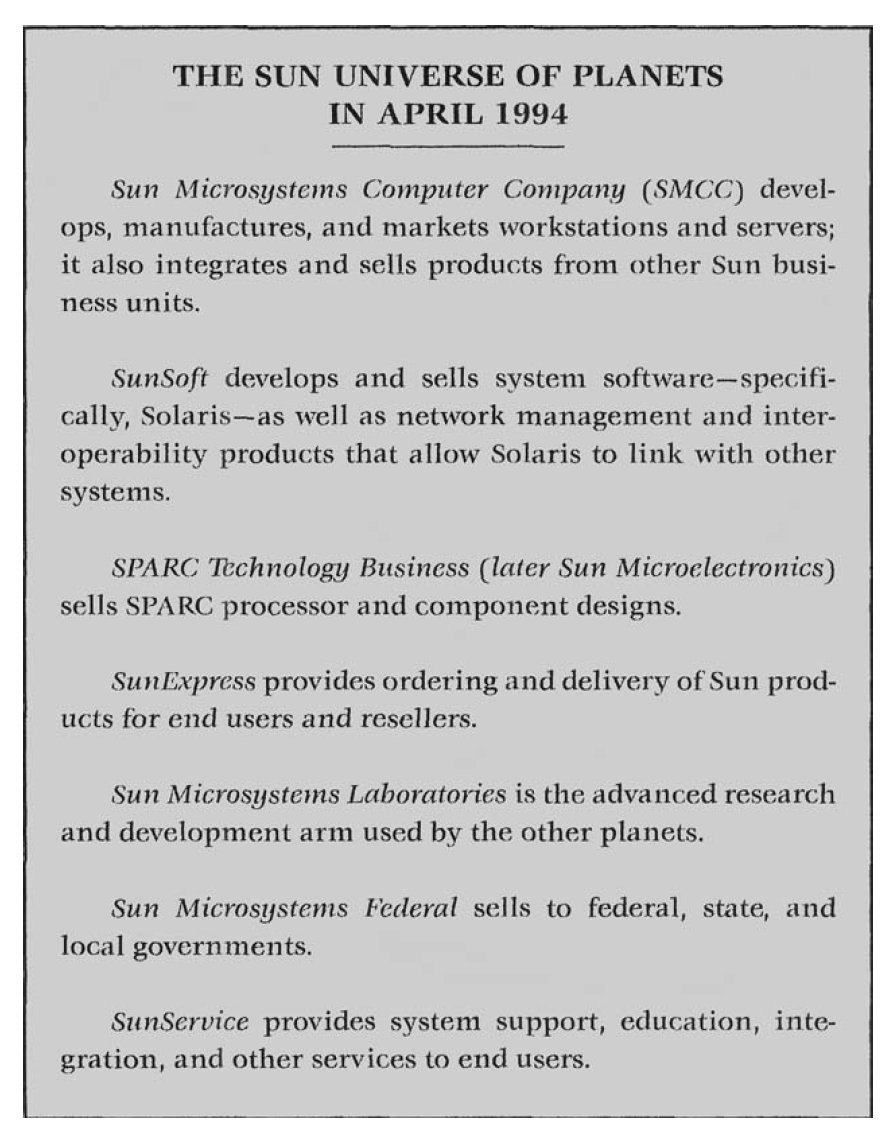
Developments after 1992
In the first five years of the 1990s, the high-end workstation market was still growing at an annual rate of about 20%. Sun launched multi-processor workstations and a new generation of 64-bit RISC architecture UltraSparc chips. In fiscal year 1995, Sun's operating income soared 26% to US$590 million, and its profits also increased significantly. This led McNealy to accelerate its network strategy in search of new growth points.
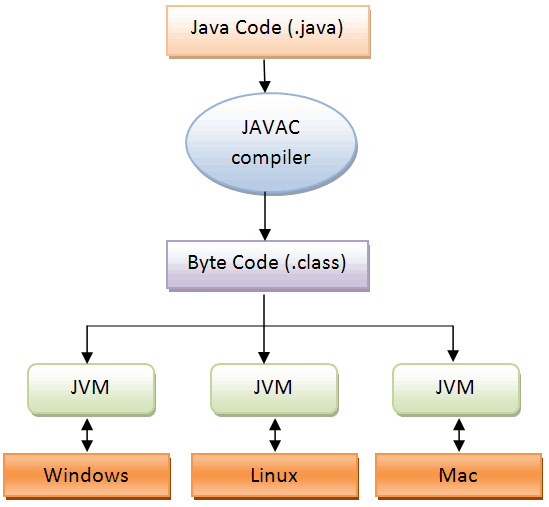
In mid-1995, Sun introduced Java, a brand that represents a programming language and a set of components and tools that allow users to run written software on any computer and operating system. The inventor of Java is James Gosling, a Canadian who joined Sun after graduating from Carnegie Mellon University with a PhD in computer science in 1983. Its basic principle is shown in the figure below. The founding slogan is "Write once, run anywhere" (WORA), which means installing and running a "Java Virtual Machine" (JVM) on any operating system. This is a self-sufficient computing environment that simulates all functions of computing devices and runs compiled Java programs in this environment:
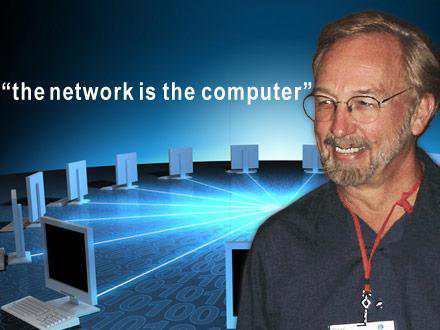
At the end of 1996, McNealy contacted nearly a hundred companies including Oracle, Netscape, IBM, and Apple to form the "Internet Software 100% Pure Java Alliance" to fight back against Microsoft. "The network is the computer" (1984) is Sun's famous saying. Although it is widely circulated as McNeely's famous saying, it actually originated in 1984 by an early employee of Sun and a colleague of founder Bill Joy from the University of California, Berkeley.John Gage, this sentence has been Sun's company creed for a long time. McNealy envisioned a computing world of a network powered by powerful servers, a vision that ran counter to the approach of Microsoft founder Bill Gates. McNealy has been attacking Microsoft and the Wintel alliance in the media and courts for many years. In the 1990s, he pointed out that network computing is the future. Countless chips in products ranging from refrigerators and phones to smart cards and door locks will all be connected to a network; Java is an important technical means. Today, cloud computing and the Internet of Things have fulfilled his prediction.
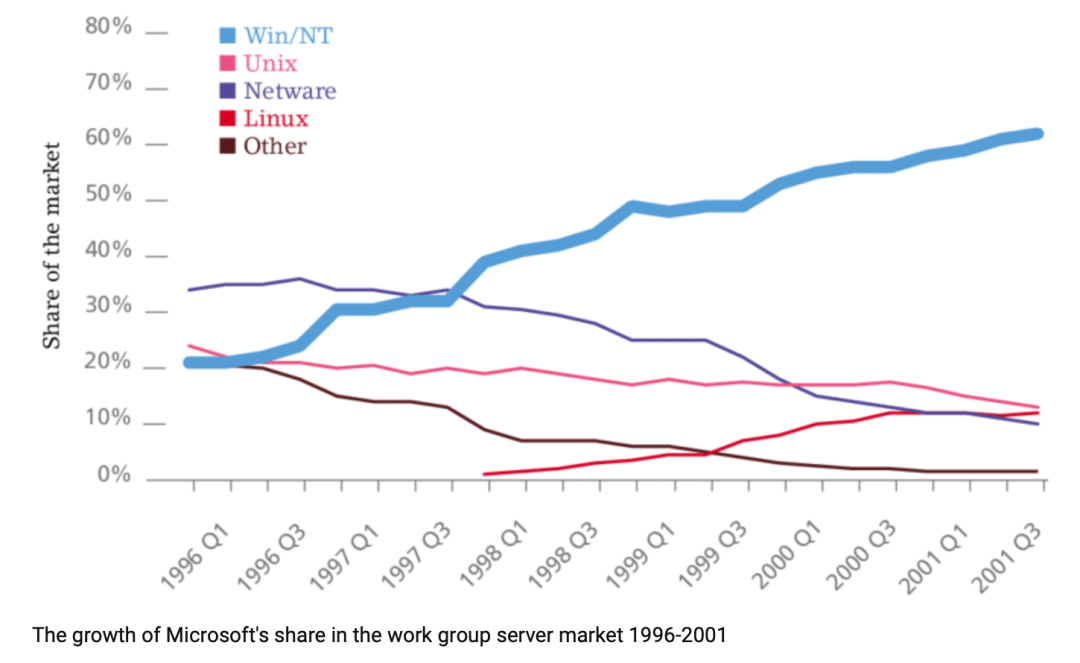
Before the mid-1990s, Sun and Microsoft seemed to be on the right track: Sun workstations were focused on high-end users such as engineers and traders, who needed high-performance computers to do engineering design or write financial trading programs. When the market was formed in the early 1980s, it was called "3M computer" (1M memory, 1M dot matrix display - that is, 1000*1000, 1M floating point computing power per second). At that time, IBM The PC has only 16K memory, text display, and the addition of an 8087 coprocessor to achieve 30K floating-point computing capabilities), emphasizing enterprise-level networking; while Microsoft's DOS/Windows (Microsoft has also released a version of Unix on PCs, Xenix) and its application software occupy the desktops of ordinary users and do not emphasize networking. In 1993, Microsoft launched Windows NT and subsequently Windows NT Server to enter the field of enterprise computing, cannibalizing the workstation and server market based on RISC chips, while Sun launched Java in an attempt to change the desktop computing environment and break through Microsoft's blockade. By the late 1990s, Bill Gates publicly stated that Microsoft's biggest competitors were IBM and Sun.
In the field of enterprise computing, Windows NT and Intel X86 chip computers (WinTel) quickly won the competition with UNIX+RISC chips. In 1996, Sun also participated in the "network computer" movement initiated by Oracle and others to fight against WinTel, which soon ended in failure, and the new battlefield moved to the Internet:
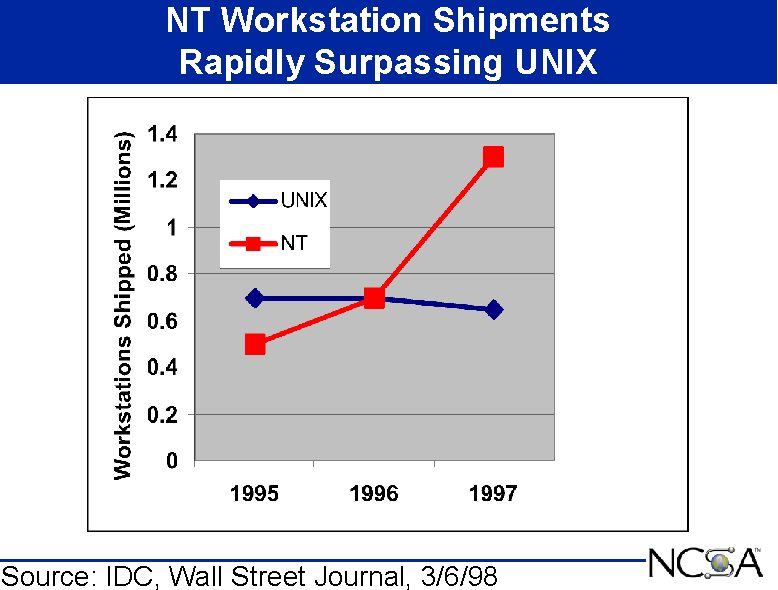
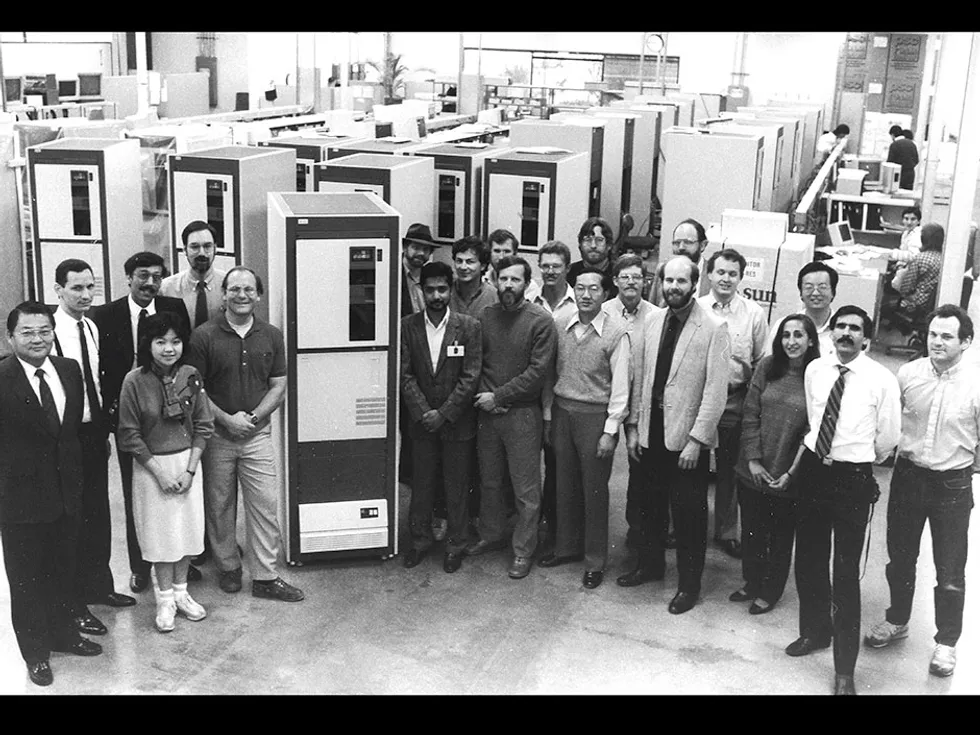
Under McNealy's leadership, Sun's operating revenue exceeded US$10 billion in 1998. He also regarded Microsoft as its number one opponent. Not only did he initiate multiple lawsuits against Microsoft, he also reorganized the organization, abolished the independent group model of subsidiaries, and reorganized it into seven departments to focus on market segments and industries.
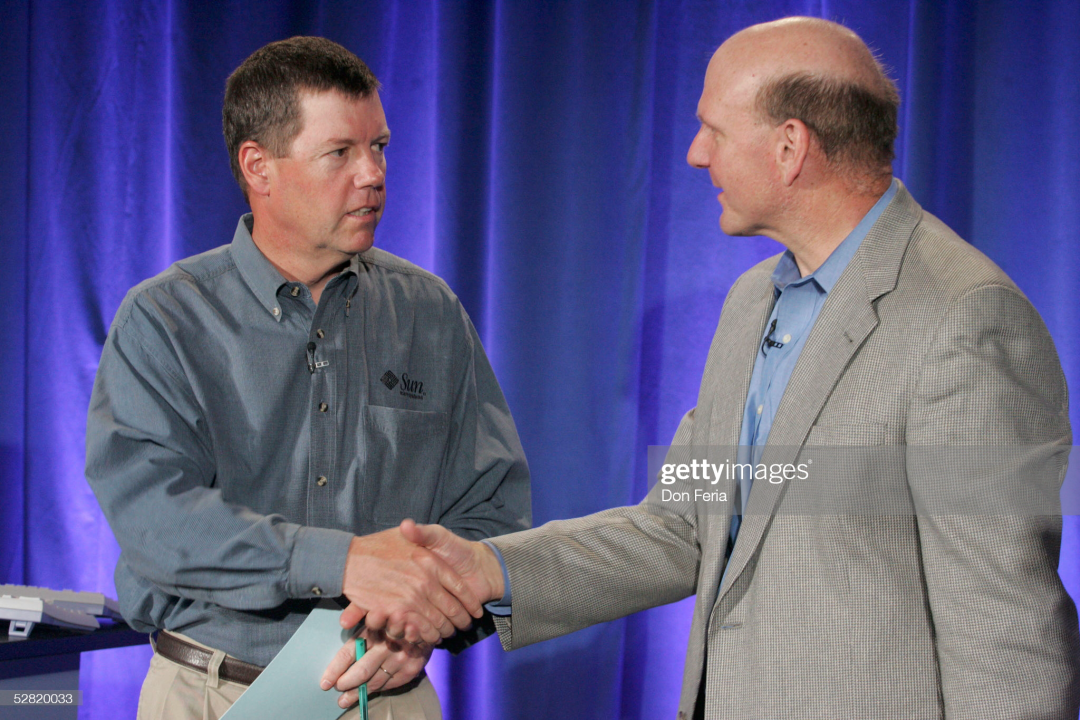
When Java threatened Microsoft's ActiveX browser plug-in mechanism, Microsoft released a Java virtual machine for its Internet Explorer browser, and also developed a Java-like language Visual J# (see "Modern History of IT in 1992 | 25 People Who Changed the World (8) - Software Savages"), intending to introduce Java programmers to its .Net system. Although Microsoft's Java implementation measures are generally believed to be more efficient, this also disrupts the purity of Java. In 1997, Sun first sued Microsoft's Java virtual machine for infringement of "Java compatibility" intellectual property rights. By 2001, Microsoft compensated US$20 million and canceled the Java licensing agreement. Later, the two sides had multiple lawsuits against each other. Until the end of 2004, Microsoft agreed to pay Sun a one-time payment of US$2 billion. The public battle between the two companies that had lasted for many years ended. The two sides were fully compatible with each other's platforms and virtual machine environments. Scott McNealy and Microsoft CEO Steve Ballmer shook hands and laughed away their grudges.
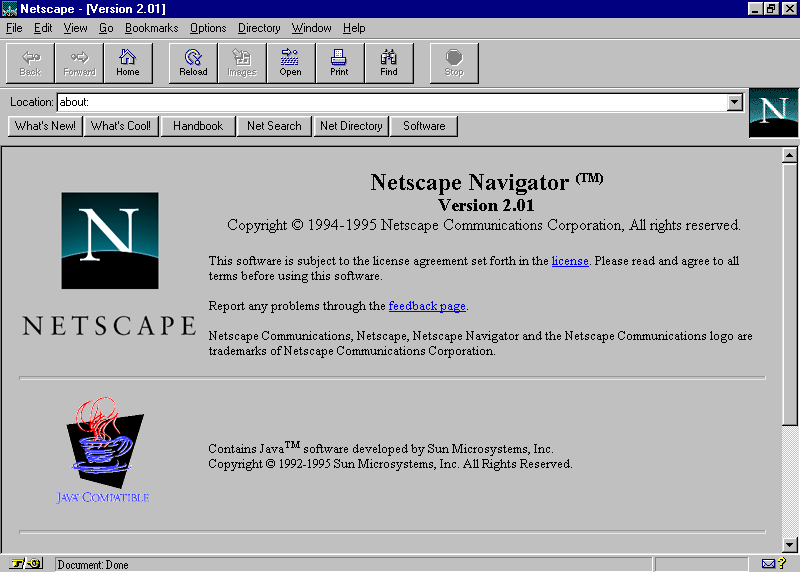
McNealy turned his Java vision into reality, and establishing alliances with computer and electronics companies was a top priority. In the Internet era, the entry point for computer users has shifted from PC to browser. Sun has established an alliance with Netscape, the originator of browsers, from the beginning, and NetScape has developed a browser-side scripting language Java that complies with Java standards. Script, after America Online (AOL) acquired NetScape for US$10 billion in 1999, the two parties signed a three-year strategic agreement to develop enterprise-level network middleware software under the joint brand "iPlanet". After the agreement, AOL sold its intellectual property rights to RedHat, while Sun has been leading this technology.
In 1999, Sun signed Java technology licensing agreements with mobile phone, game console, and smart card manufacturers such as Sony, Motorola, Ericsson, Samsung, Alcatel, Nortel, OpenTV, BEA Systems, Siemens Lidov, and Atlanta Technology Company. Sun introduced Jini, a Java-based network distributed architecture proposed by Bill Joy, which is the cornerstone of McNealy's dream of connecting a large number of electronic devices. Although Jini failed to become popular due to its lack of openness (mandatory authorization), single remote invocation standard (RMI), and implementation complexity, it opened the way for distributed computing and later cloud computing.
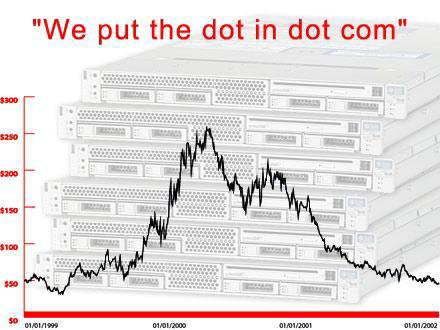
At the beginning of the 21st century, the dotcom era came. Due to the combination of software and hardware packaging, affordable prices, and stable performance of Sun equipment, it became the first choice for Internet companies to start businesses and medium-sized enterprises to purchase servers online. Its full-line Java technology system was sought after by programmers and system integrators. McNealy, who was born in a marketing family, timely launched the famous slogan "We are dotcom's dot". In September 2000, Sun's stock price reached its highest peak, with a market value of US$200 billion, twice that of Microsoft and Apple at the time.
From 1986 to 2001, Sun's operating income increased from US$210 million to US$18.3 billion, maintaining an average annual growth rate of 36% for 15 years. This growth rate was only exceeded by Microsoft, Intel and Cisco. However, the dotcom bubble burst soon, and Internet companies went bankrupt one after another. The large number of Sun servers they purchased were idle and overstocked, and were even sent to the market for disposal at low prices.
Sun's new server sales plummeted. Later, newly built network server hardware generally used cheap x86 servers and free Linux operating systems. The high-profit era of network servers was gone forever. This trend directly led to the emergence of cloud computing and the generational replacement of server hardware technology. Later, the so-called "de-IOE" that came out of China from Internet companies has actually been experienced in the United States. As Sun's stock price has fallen to less than 10% of its peak level, operations have turned from profit to loss. In fiscal year 2002 (June of the fiscal year), operating income dropped sharply by 30% from the previous year, from a profit of 900 million US dollars to a loss of 600 million US dollars. Its server business has experienced multiple rounds of layoffs, factory closures and executive resignations.
At this time, Sun was facing the double blow of the disappearance of the RISC workstation market and the erosion of network server profits. It urgently needed to find a new business model. Sun is a pioneer in cloud computing, both technically and theoretically. In March 2006, it even launched a computing and storage capacity rental service based on its own server cluster hardware and grid computing technology. This was months before Amazon officially launched similar cloud services. It even later launched a SaaS service for financial data analysis on this platform. However, Sun pursued technological innovation too much and missed the business opportunities of cloud computing. Sun's cloud business was not promoted. After being acquired by Oracle in 2010, "Sun Cloud" stopped its services.
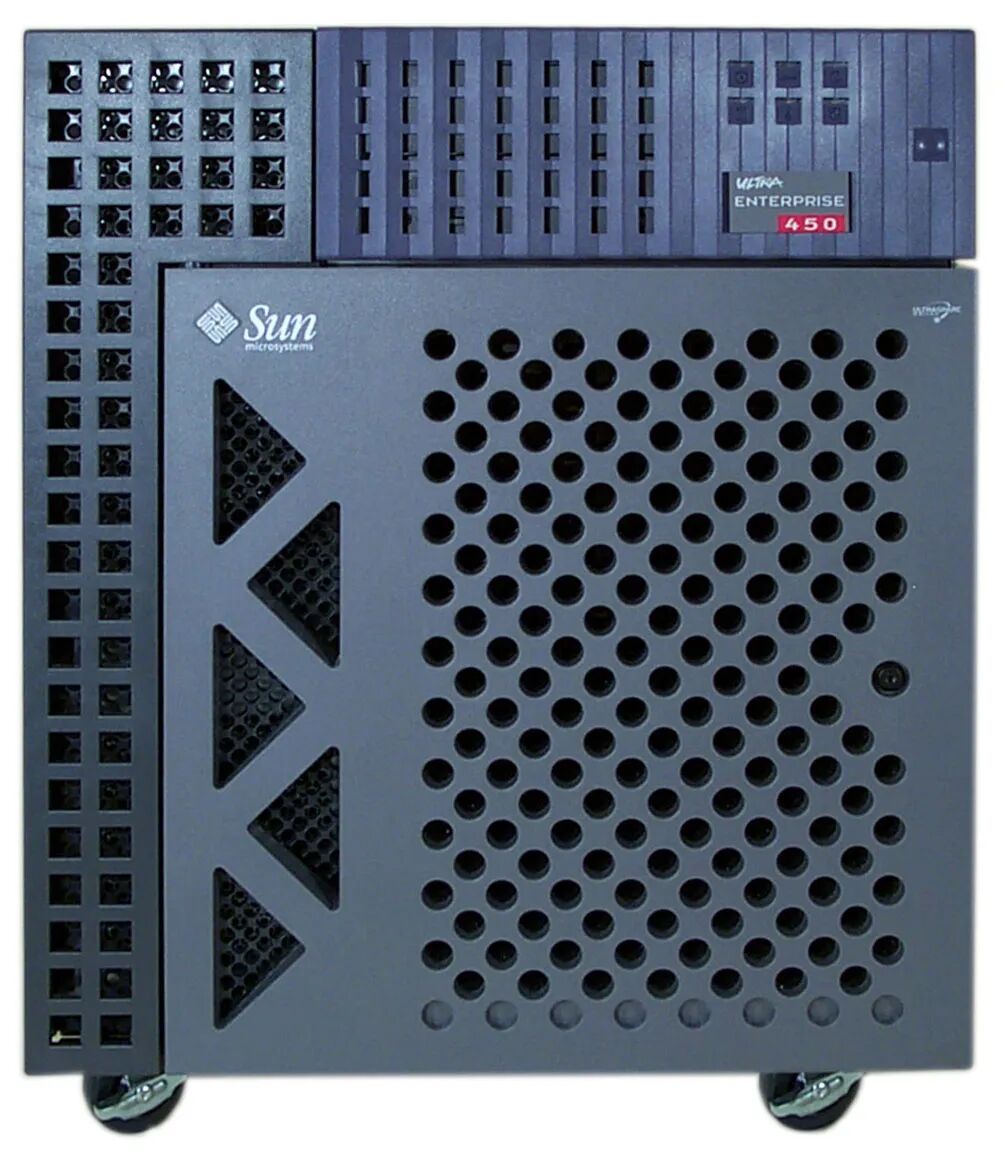
Sun was relatively active in the Chinese market in the early 21st century, mainly competing with IBM and HP in the server, storage and other hardware equipment markets in the field of enterprise computing. In 2002, I also interviewed with Sun's professional services department, but I didn't go because it was too technical. At that time, Sun's workgroup server was the first choice for minicomputers running Oracle ERP. Our company had one, which was about the size of a small washing machine and required four strong men to move it. See: Consulting in "My First Half of Life" Like a Dream (1) Decisive Battle in Donggu Town
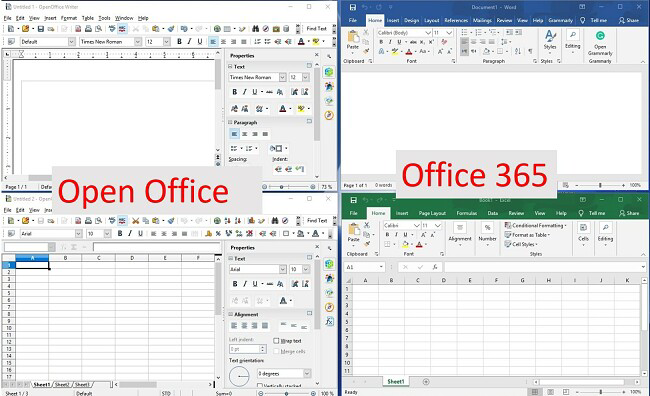
Sun entered the Internet era and began to embrace open source. In 1999, it acquired a European free office software. Even if it replaced the Microsoft Office used by 42,000 employees of its own company, it was cost-effective. After modification, it was open sourced and provided for free under the brand name of OpenOffice. Sun also began to pre-install the Linux operating system on its workstations. In 2005, Sun disclosed its 1,600 patents. In December of the following year, it open sourced the Java system and actively participated in organizations such as the Apache Open Source Foundation.
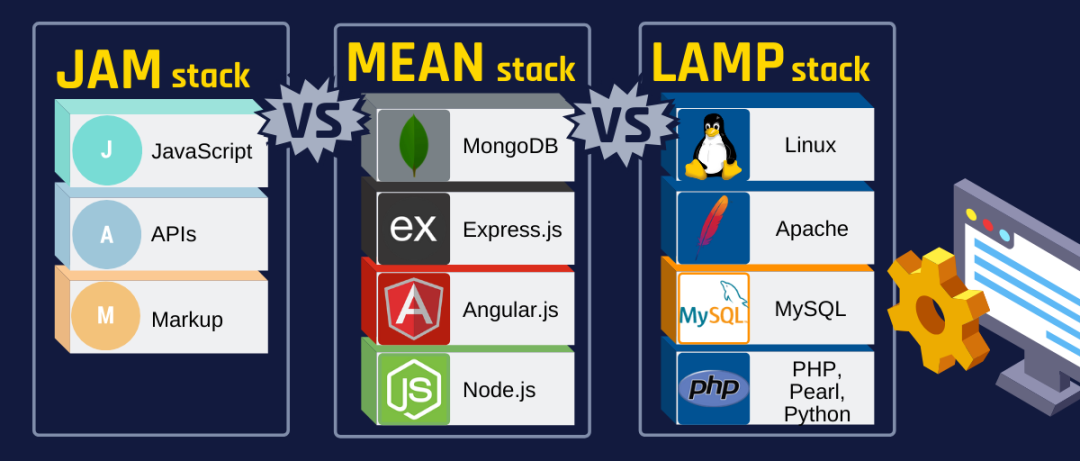
In 2008, Sun acquired the European company MySQL AB, the manufacturer of the largest open source database MySQL, for US$1 billion. Together with the Apache web server, PHP language and Linux operating system, it was known as "LAMP". It was the most popular Internet application development technology stack at the time and is still in use today.
At this stage, Sun has found it difficult to find a breakthrough in its business model and has fallen into continuous losses. In the software business, Java and the open source model are not popular, and it is difficult to generate a lot of revenue and profits; in the hardware business, in 2005, with the support of capital, Sun acquired Storage Technology Corporation (STC), a storage equipment manufacturer with annual operating income of US$2.2 billion and 7,000 employees, for US$4.1 billion.
Sun has been seeking to sell in the second half of 2008, and has negotiated with IBM and Hewlett-Packard. In April 2009, Oracle announced the acquisition of Sun for US$5.6 billion. Compared with the market value of US$200 billion in 2000, the purchase of storage manufacturers for US$4.1 billion four years ago, and even US$1 billion for MySQL a year ago, Sun was really in the sunset. Due to the EU's investigation into whether MySQL's acquisition by Oracle involved monopoly, the merger was delayed until early 2010. During this period, due to the uncertainty of the company and the market about the prospects of the merger, Sun's operating income fell by 25% in a year.
In April 2006, McNealy, who was unable to reverse the business decline, stepped down as Sun's CEO. In the past 22 years, he has been one of the longest-serving CEOs of Silicon Valley companies and contemporary large companies. The person who took over as CEO was Jonathan Schwartz, who was born in 1965. Schwartz worked as a consultant at McKinsey after graduating from college. In the late 1980s, he founded a company that developed various application software for NeXT, the workstation founded by Steve Jobs. Due to the API cooperation between Sun and NeXT, Sun acquired the company in 1996. Schwartz joined Sun's Java software department, and the boss was Schmidt, who later became Google CEO.
Jonathan Schwartz's business capabilities are highly controversial. Not only did he fail to find a way to monetize Java, but his lead purchase of MySQL did not produce any results. After he took office, Sun's original hardware market share dropped sharply, widening the gap with competitors IBM and HP. When the financial crisis broke out at the end of 2008, one-third of Sun's customers came from the financial industry, which prompted Schwartz to make the decision to sell the company. This decision aroused opposition from Sun's core technology employees for many years, including McNeely, which made Sun even worse before and after the sale.
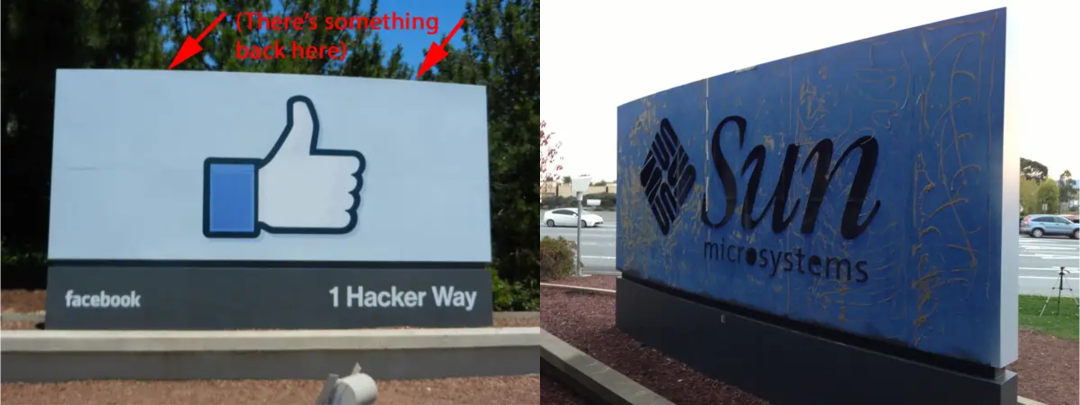
Due to Oracle's consistent strong acquisition style, most of Sun's key technical teams and executives, including James Gosling, the father of Java, Marc Tremblay, chief designer of SPARC chips, Tim Bray, the creator of XML, Simon Phipps, chief open source officer, and Jonathan Schwartz himself, left the company before and after the acquisition was completed. In early 2011, Oracle sold the grand office headquarters that Sun built in the center of Silicon Valley during its heyday in the 1990s to Facebook to use as its headquarters. The style of this building complex resembles the California Prison San Quentin, so it was also nicknamed Sun Quentin:
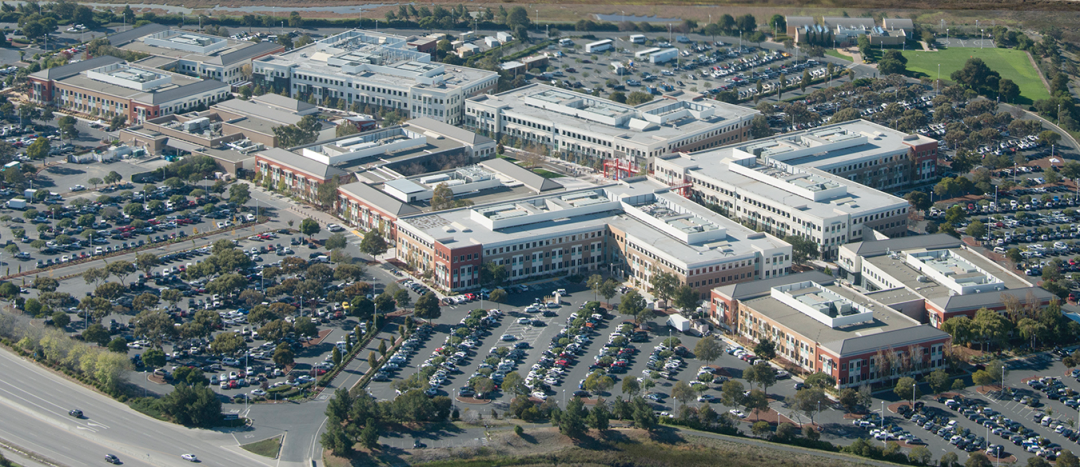
It is said that after the new owner, Facebook's Lackberg, moved in, he didn't even change the sign on the door. He just changed the direction and turned the old Sun sign inward, so that Facebook employees could see the warning when they left the company every day: "If you don't work hard today, you will work hard to find a job tomorrow."
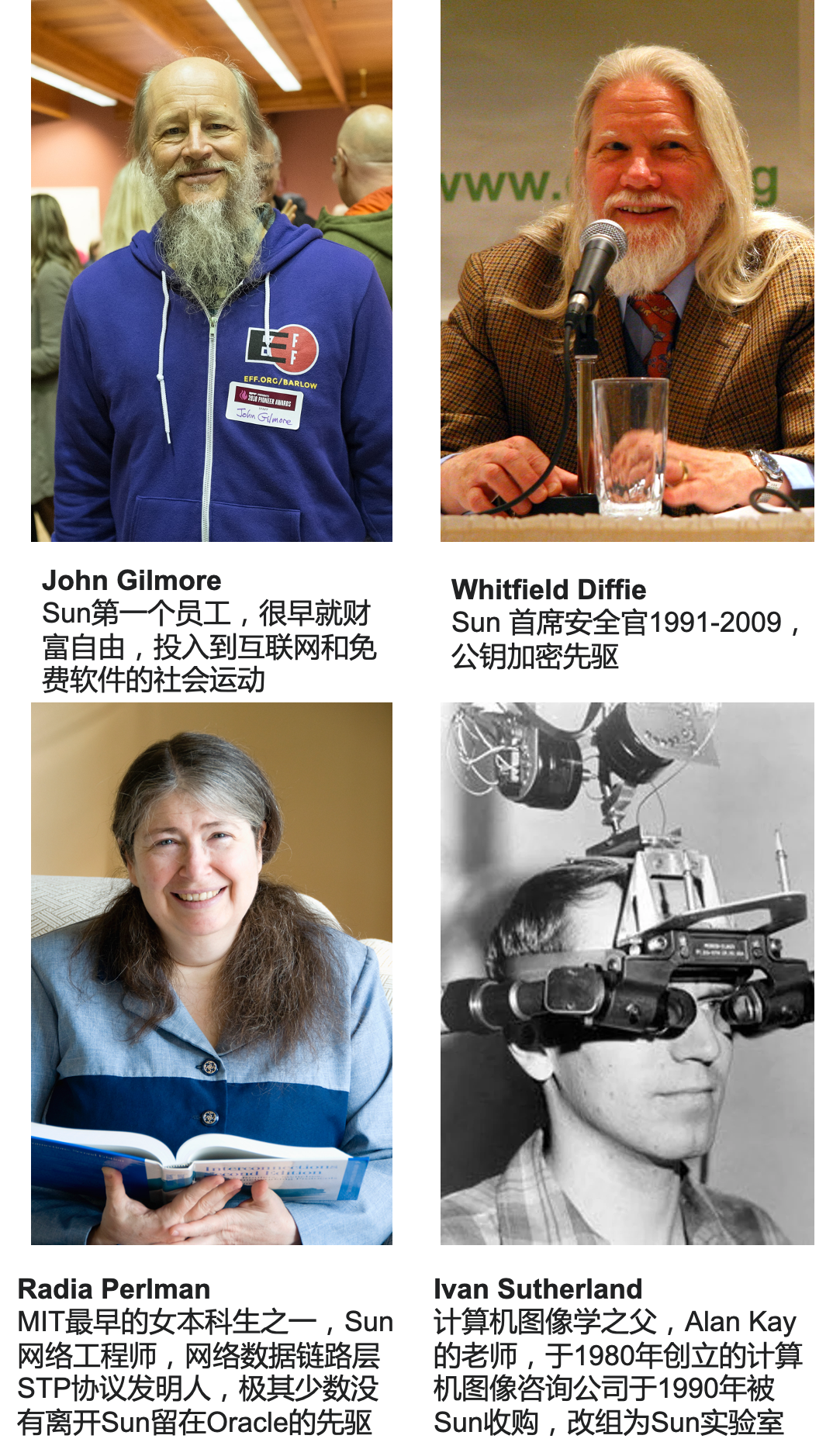
Like other Silicon Valley companies, many scientists who are Sun employees have pioneered modern computer and Internet technologies, such as these immortal gods:
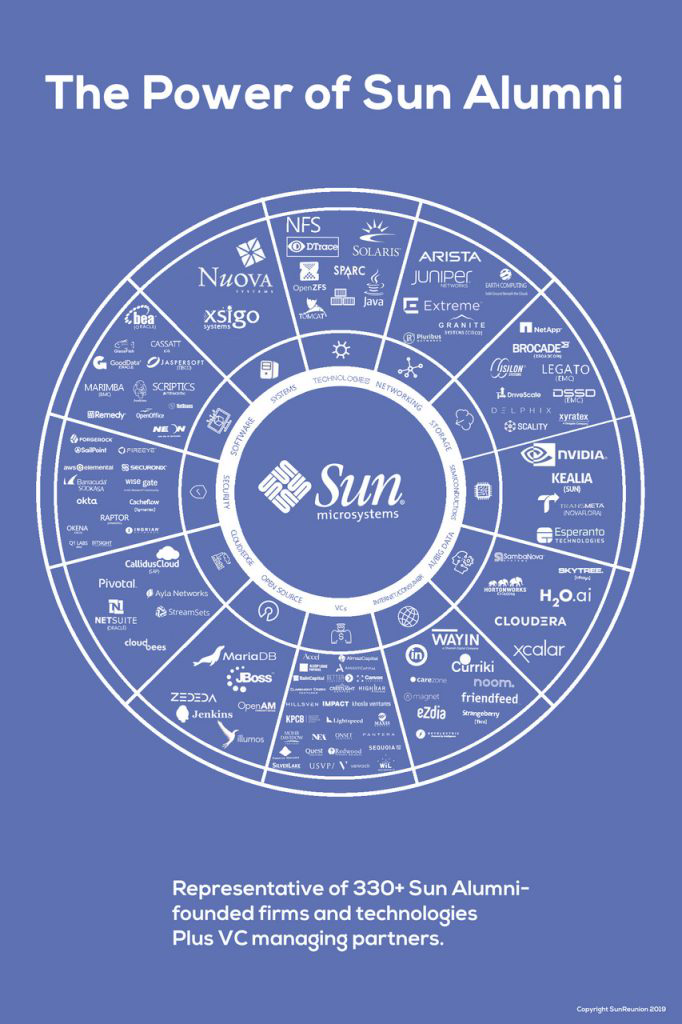
Many Sun alumni have become famous company executives, venture capitalists and entrepreneurs, including:
-
Eric Schmidt: Sun CTO from 1983 to 1997, Google CEO in 2001
-
Carol Bartz: VP of overseas operations at Sun from 1983 to 1992, CEO of Autodesk from 1992 to 2006, and CEO of Yahoo from 2009 to 2011
-
Ed Zander: President of Sun from 1988 to 2002, CEO of Motorola from 2004 to 2007
-
Bill Coleman: Head of Sun software and services. He founded BEA and served as CEO from 1995 to 2001. In 2016, he became CEO of Veritas, etc.
The picture below shows companies founded by Sun alumni and serving as senior executives:
McNeely founded a digital marketing company called Wayin in 2010. On October 5, 2011, exactly the day Jobs passed away, he officially released the company to the media. A few years later, this MarTech company based on social media big data analysis and marketing campaign management was sold to a larger digital marketing company.
Series of articles:
1992 "Computer World" | 25 people who changed the world (1)
Modern History of IT in 1992 | 25 People Who Changed the World (2)
Modern History of IT in 1992 | 25 People Who Changed the World (3)
Modern History of IT in 1992 | 25 People Who Changed the World (4) - The Father of Database Software
Modern History of IT in 1992 | 25 People Who Changed the World (5) - The Mother of IT Outsourcing
Modern History of IT in 1992 | 25 People Who Changed the World (6) - The Father of the Spreadsheet
Modern History of IT in 1992 | 25 People Who Changed the World (7) - The Father of LAN
Modern History of IT in 1992 | 25 People Who Changed the World (8) - Software Savage
Modern History of IT in 1992 | 25 People Who Changed the World (9) - Prophets of Intimate Computing
Machine-translated from the Chinese original IT近代史 | 1992年评出的改变世界25人(十)—— 机智武士Sun微系统 (published 2021-09-23). WeChat original ↗