This article is a PPT lecture note I gave on "Digital Leadership" at several forums and trainings recently, and I would like to share it with readers of the public account.
(one)
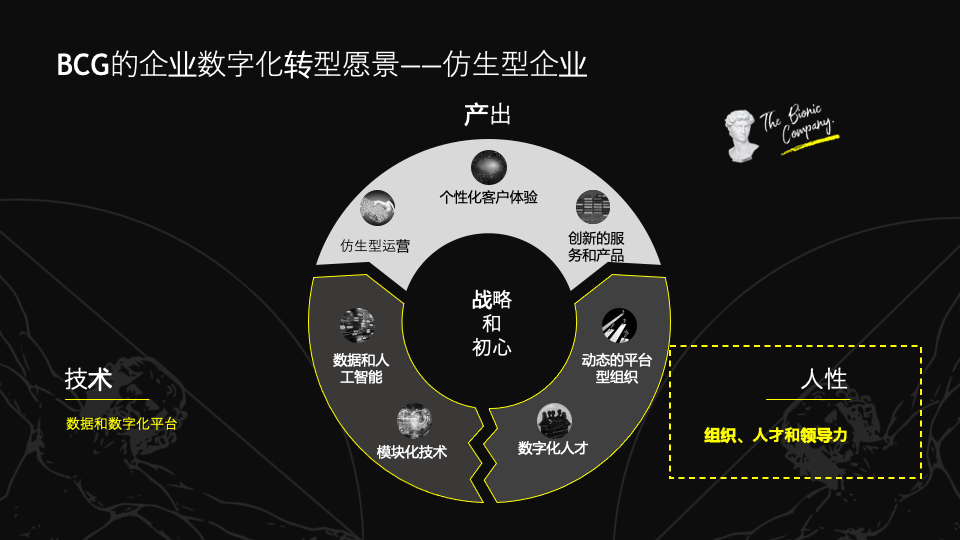
"Bionic enterprise" is BCG's vision for enterprise digital transformation, which includes:
-
A strategy and original intention
-
Three major corporate performance: smart operations, personalized customer experience, products and services
-
Two contributing factors: one is technical factors, including Artificial intelligence, big data, and modular technology; the second is human factors, including Digital talents, platform organizations
A bionic company blends new technologies with human capabilities to power innovation, advantage, growth, efficiency, and resilience.
Bionic companies combine new technologies with human capabilities to drive innovation, advantage, growth, efficiency and resilience.
“Digital Transformation Leadership" is the starting point for improving the human factors of bionic enterprises - the behavioral traits displayed by business leaders to develop digital talents, enable them to realize their potential, and promote the construction of platform organizations.
The starting point of digital transformation leadership is the characteristics of organizations and talents in the digital transformation environment, which are discussed separately below.
(two)
First of all, the application of information technology has promoted the organizational form from the functional organization characterized by specialized division of labor in the pre-industrial era, to the business unit system characterized by the distribution of rights and responsibilities in the heyday of industrialization, to the matrix organization in the post-globalization era of the 1980s (see "Organizational Change | Is the Matrix Organization Ended?"), to the team system in the post-industrial era, and the network platform organization in the digital era. People's organization, collaboration, employment and interest distribution relationships are constantly changing.
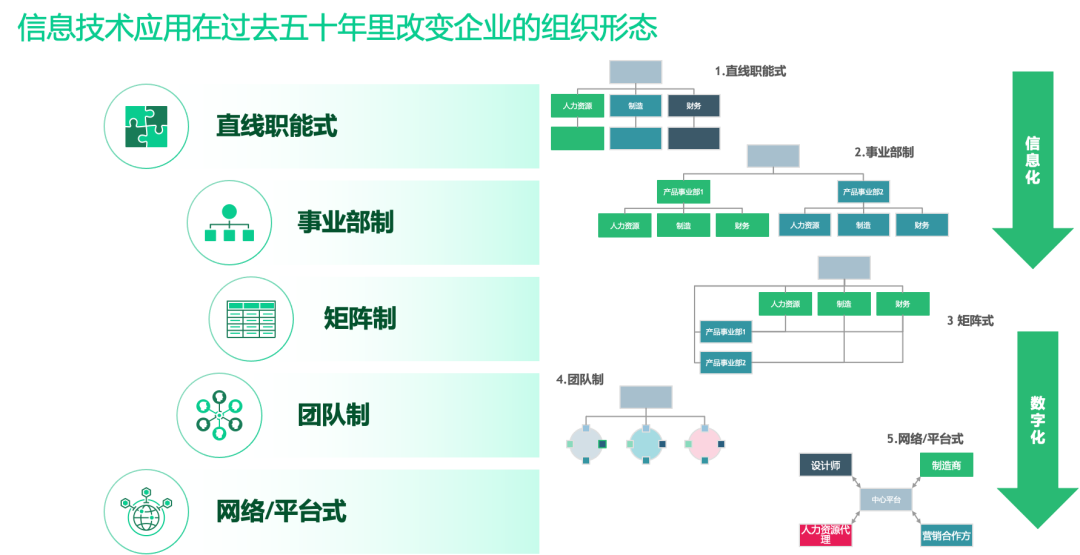
See "Organizational Design in the Digital Era"
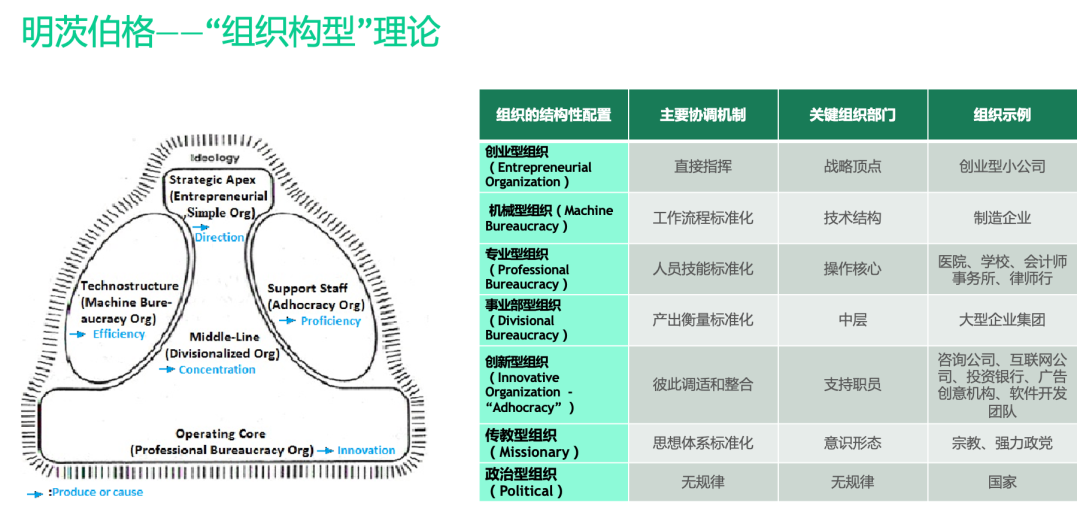
Mintzberg's organizational configuration theory also explains the evolution of such organizational models. In the digital era, more and more "innovative organizations" have emerged, represented by Internet companies (see "I Kan Feishu | Digitization of Advanced Organizations")
In terms of organizational digital applications, different organizational forms have different information technology application characteristics:
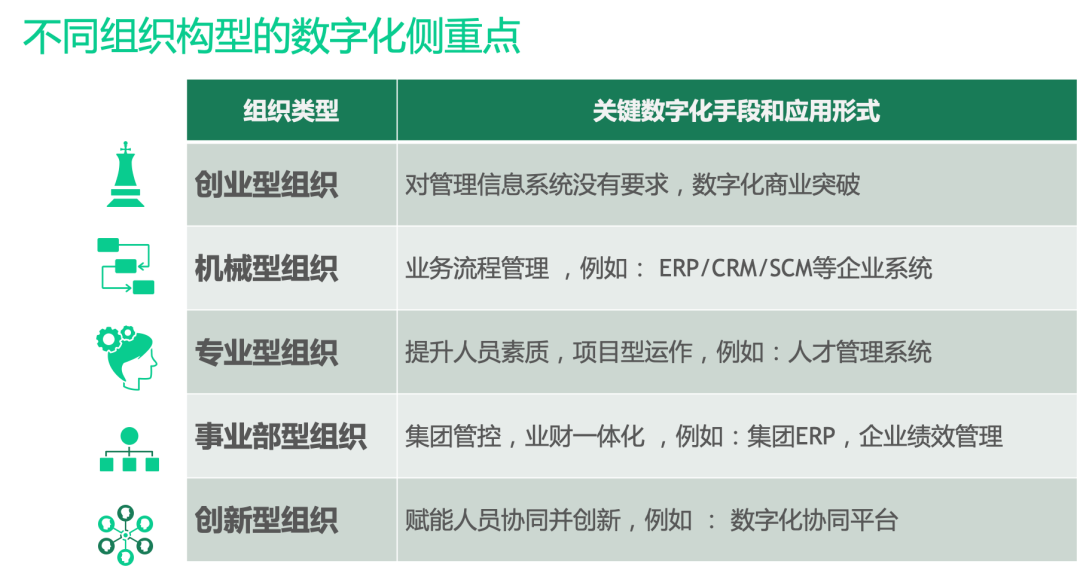
The process by which organizations apply information technology is itself transformative. The digitalization of business process management in "mechanical organizations" has different transformation paths. The implementation of ERP suite software with connotation of "best business practices" has become the mainstream of information technology promoting organizational change at the beginning of the 21st century:
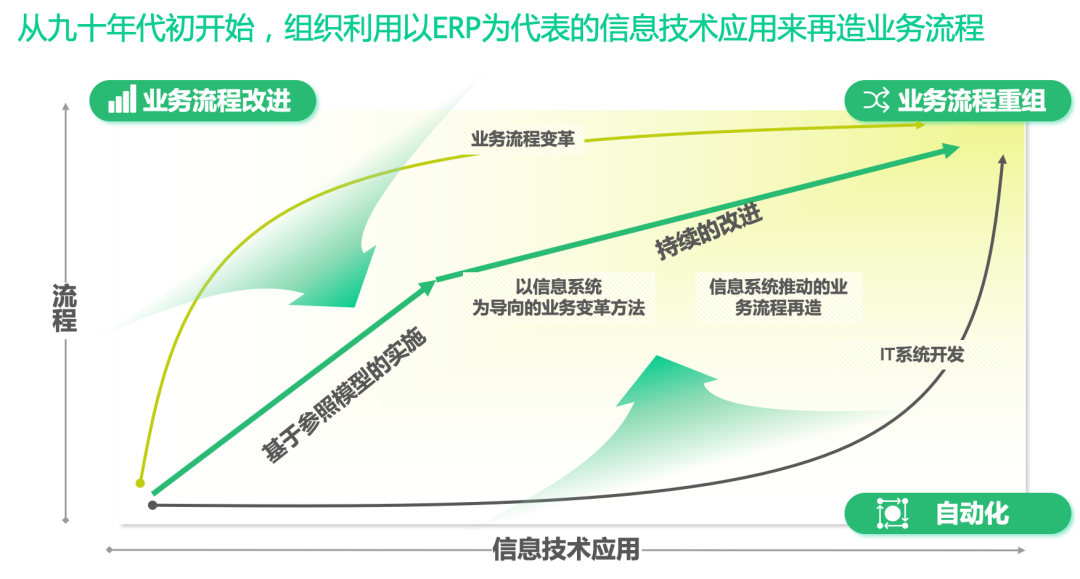
See "ERP Hot Review | Looking at the industry opportunities of Chinese enterprise management SaaS from the era of the rise of packaged software"
From the information age to the digital age, our assumptions about organizational operation have changed. We focus on how organizations can continue to innovate to sustain vitality in the environment of uncertainty, the so-called "VUCA era". The focus of organizational management has shifted from "efficiency" and "control" to "innovation" and "continuous change." It is under this premise that agile organizations were proposed.
Agile is originally a software engineering methodology that uses a lean and iterative approach to quickly and continuously meet user needs:
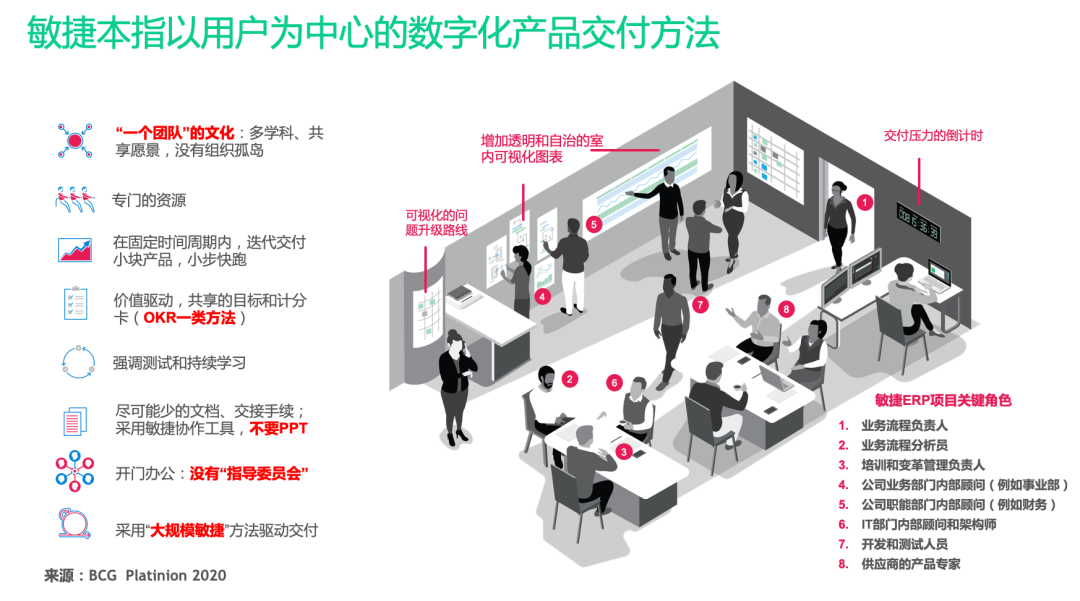
The digital transformation of enterprises means that the enterprise itself has become a digital product. The digital product creation process of "digital enterprise" must be managed by modern software engineering. Therefore, "agile" has changed from a software engineering term to a management term. Although controversial, the Spotify model (or "tribe system") is considered a best practice for enterprise-level agile operations:
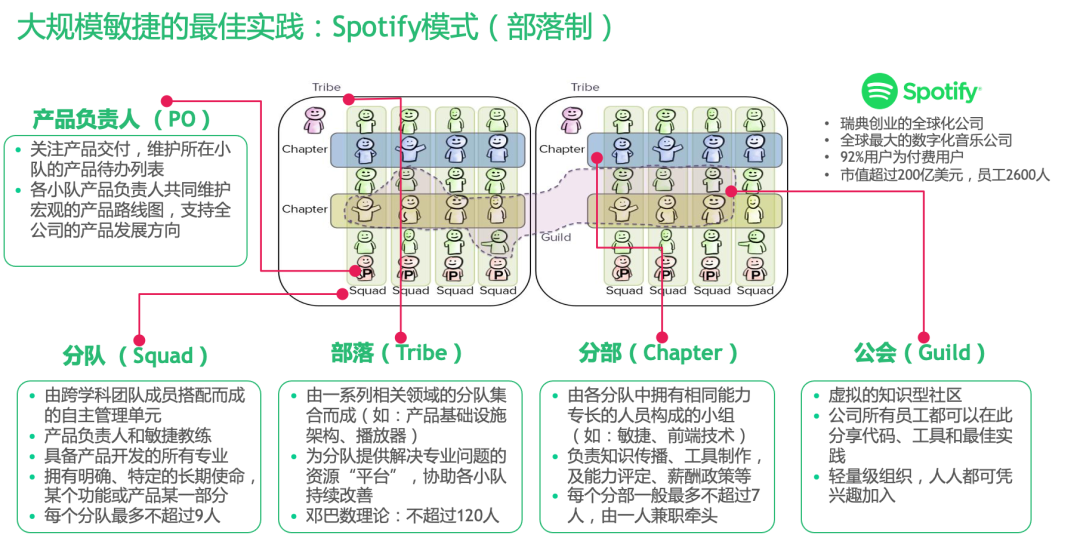
See "If you are not ready for scaled agility, don't expect digital transformation to be successful."
Digital native enterprises are highly agile organizations. However, most traditional enterprises in the state of digital transformation have both process-based organizations and agile organizations:
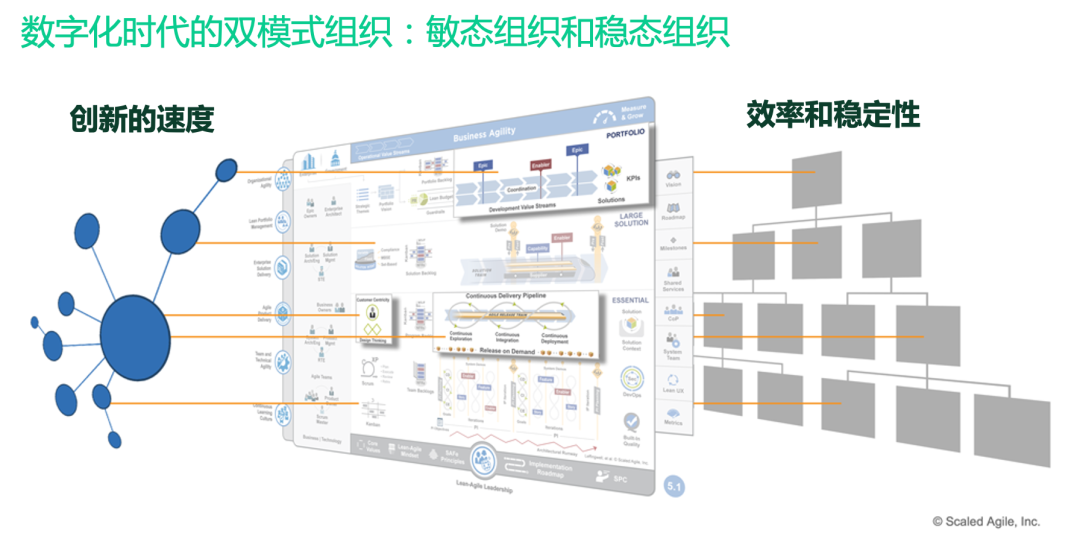
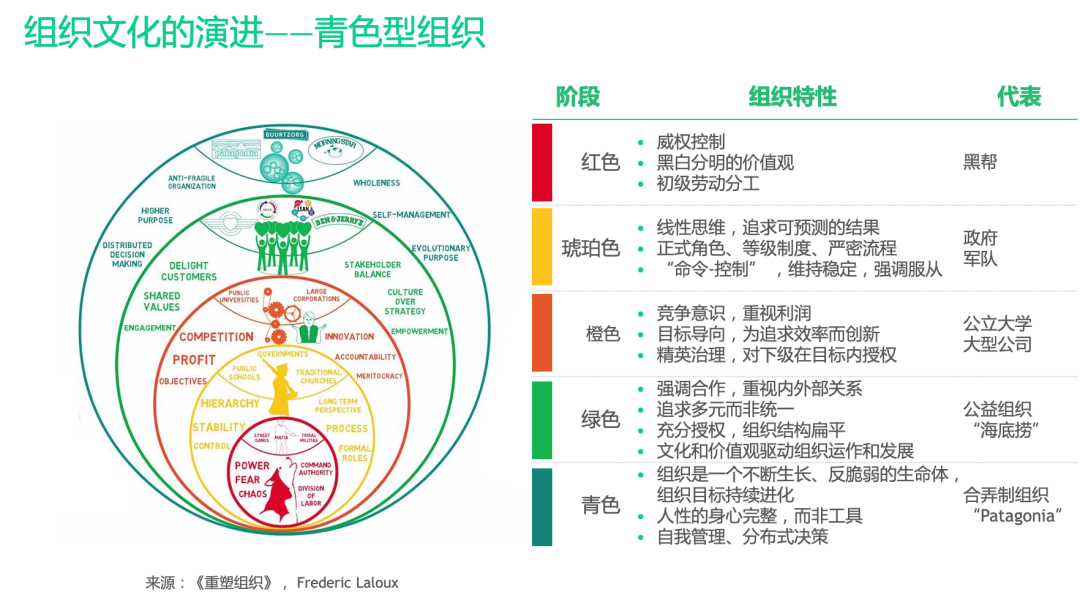
The evolution of organizational form is accompanied by the evolution of organizational culture. The book "Reshaping the Organization" proposes a description of the organizational culture form of "organizational color": (See "How to do the "Culture and Climate" module of the Business Leadership Model BLM")
(three)
After talking about organization, let’s talk about talents.
The working method of digital organizations is cross-functional collaboration, with product or project teams as work organizational units. The relationship between people and organizations has been transformed from "positions" in the past to "roles."
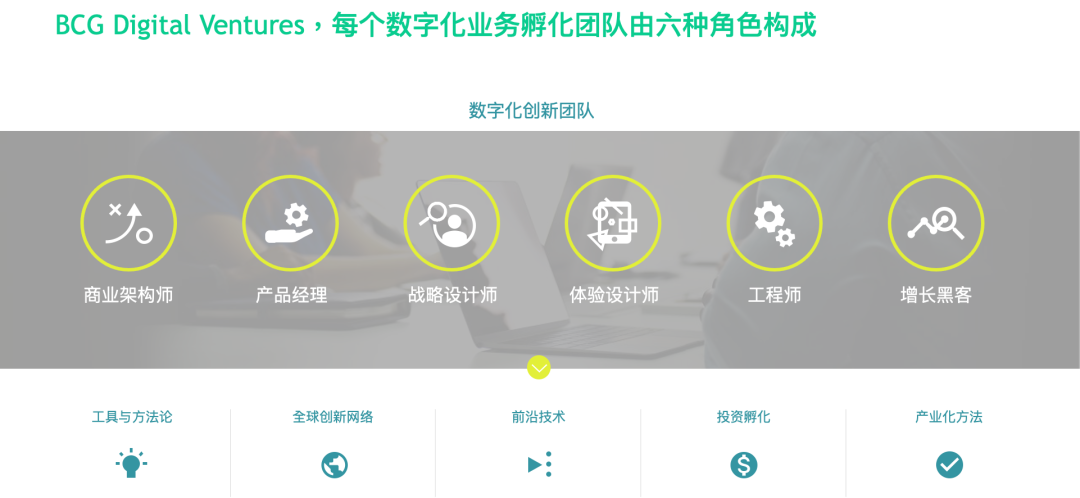
Taking Digital Ventures, the digital business entrepreneurship department of Boston Consulting Group, as an example (see the old article "The Difference between "Digital Innovation" and "Digital Transformation"), each digital product team consists of six types ofroleComposition:
-
Business Architect: Responsible for business model design that generates revenue and profits and establishes an operating system.
-
Product Manager: Responsible for organizing the team to continuously deliver products to meet user needs
-
Strategic Designer: Responsible for studying user behavior and exploring user needs
-
Experience designer: Responsible for studying user interaction methods and optimizing user experience
-
Engineer: Proficient in full-stack technology and using modern engineering methods to deliver technology
-
Growth Hacker: Responsible for using various low-cost methods to spread the product and grow users
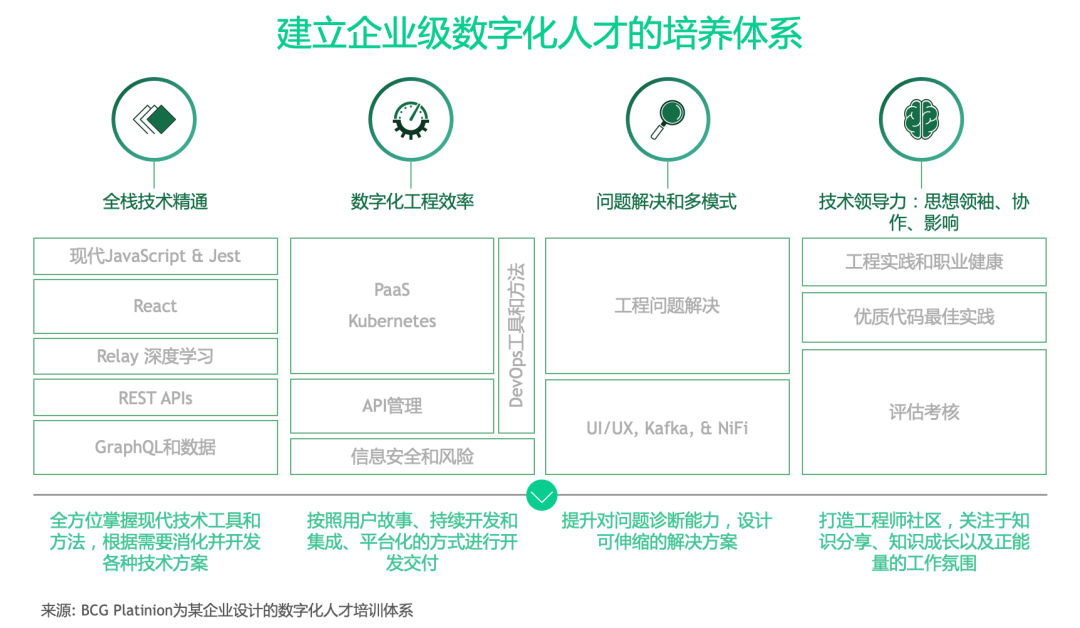
In modern technical organizations, only technical personnel can manage technical personnel, which also highlights the importance of "technical experts" in digital organizations. In addition to improving the organization's recruitment capabilities, the most lacking thing in the 21st century is talent. To promote digital transformation, companies must also establish a self-generation mechanism for digital talents. The following figure is the digital talent training system designed by BCG Platinion for enterprises:
(Four)
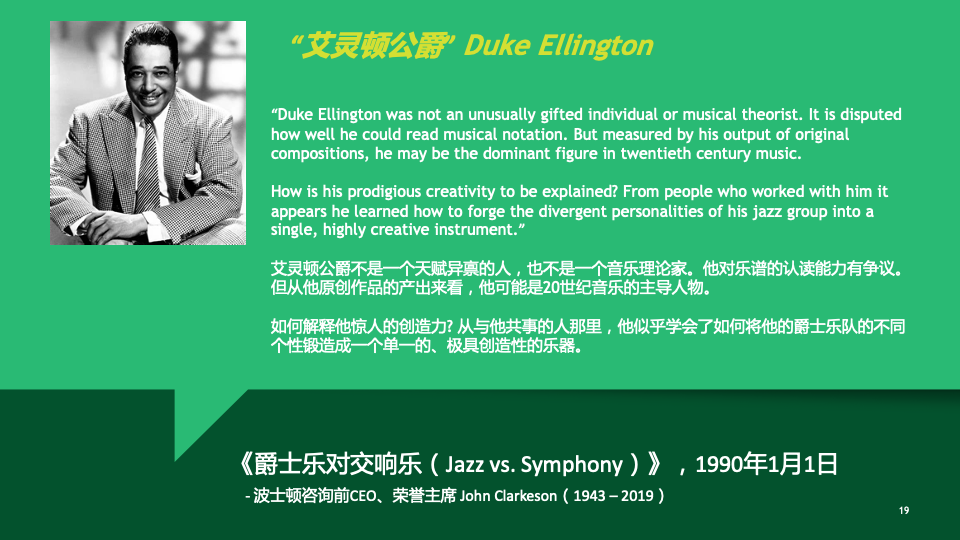
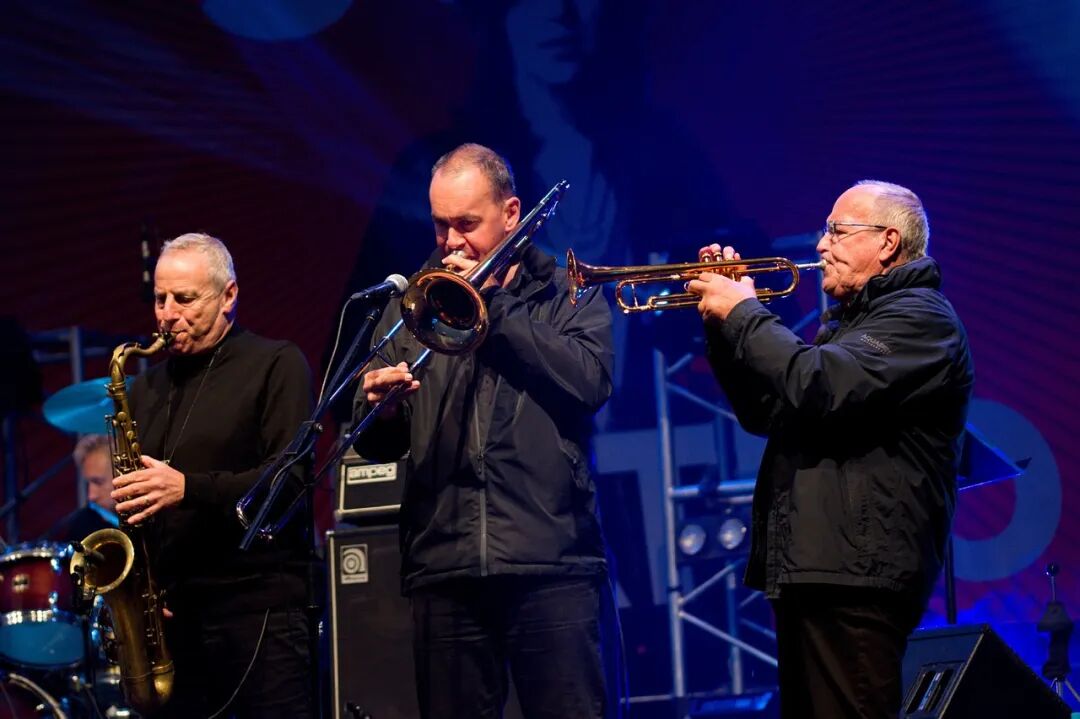
The grand, precise, and rigorous composition of the symphony, and the natural, casual, and unrestrained improvisation of jazz, appropriately reflect the characteristics of industrialized steady-state organizations and digitally sensitive organizations. As early as the late 1980s, John Clarkeson, the then CEO of Boston Consulting Group, proposed "Jazz Leadership", using the comparison between symphony and jazz to inspire organizations to lead strategic execution in the 21st century. See the original text:
https://www.bcg.com/publications/1990/strategy-jazz-vs-symphony
This article takes the famous jazz musician Duke Ellington as an example. The behavior of a jazz musician is that the soul of the band leads the general direction, fully unleashes the creativity of the band members, improvises individually, and follows the prompts of others to cooperate tacitly to complete exquisite works.
See also:
Introduction to Jazz (Part 1)
Introduction to Jazz (Part 2)
Introduction to Jazz (Part 2)
We applied jazz leadership in the digital transformation environment and found that different organizational development stages have different leadership application characteristics:
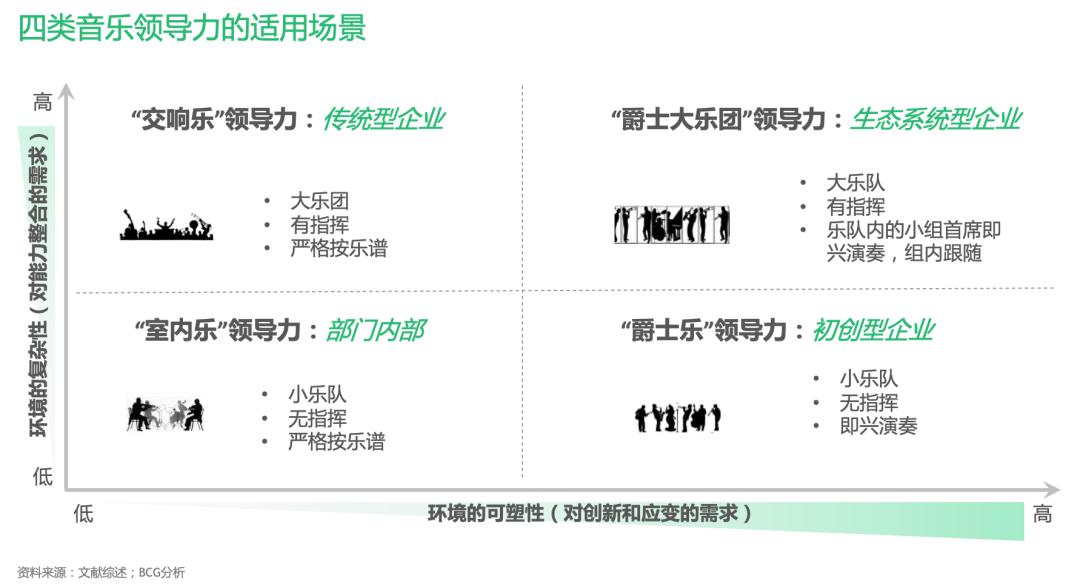
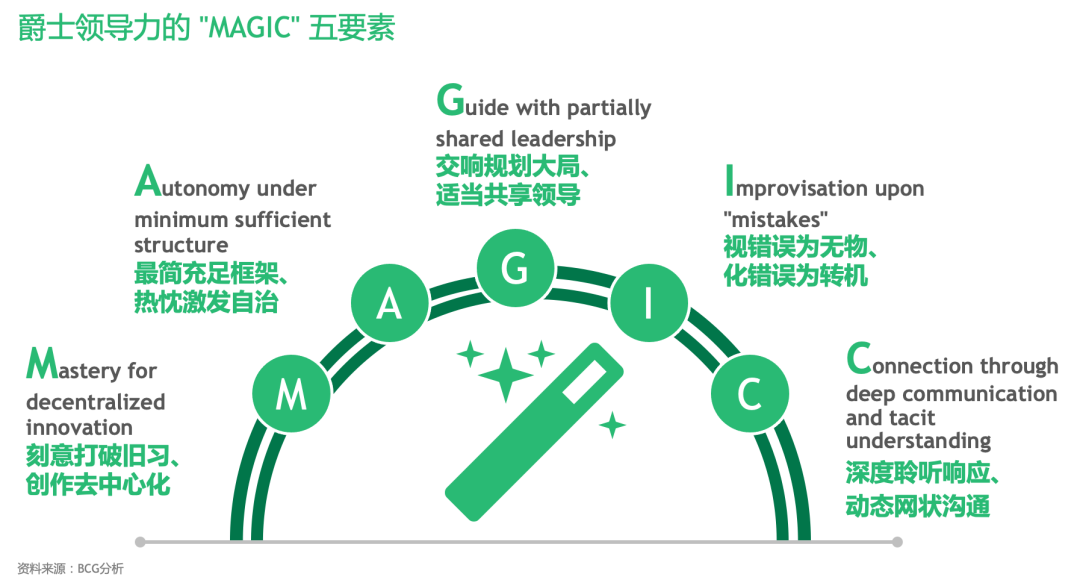
Jazz leadership is manifested in five behavioral traits. For details, please refer to the original article "Leadership in Digital Transformation - Jazz Leadership":
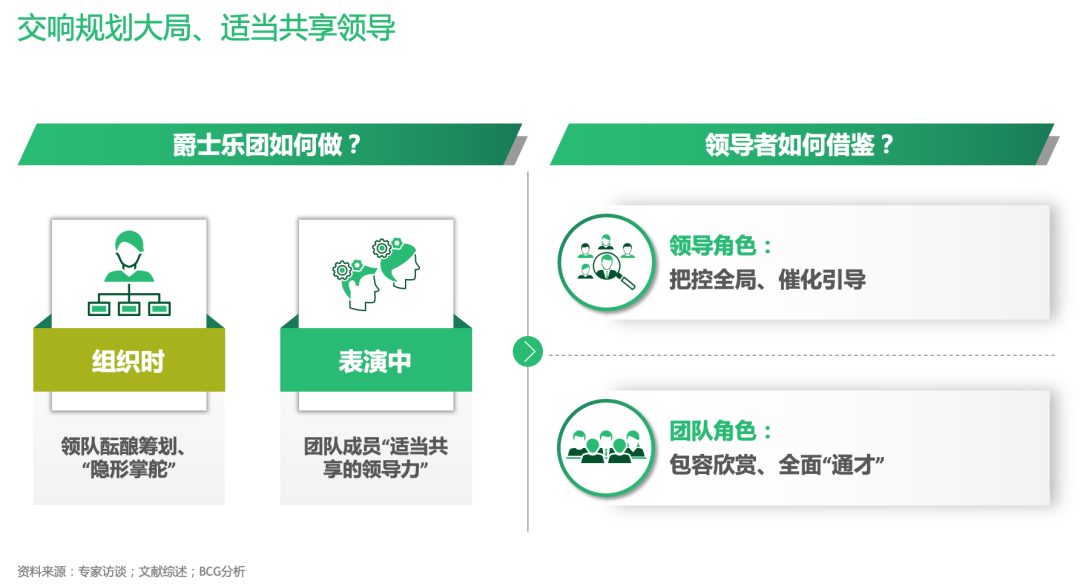
Many familiar leadership stories in digital organizations can correspond to Jazz’s leadership traits. For example, Google's leadership behavior emphasizes that a leader appears promptly when the team needs you most, and becomes invisible when the team does not need you. There is no need to deliberately look for a "sense of presence" in the team. This coincides with the "shared leadership" characteristics of Jazz leadership:
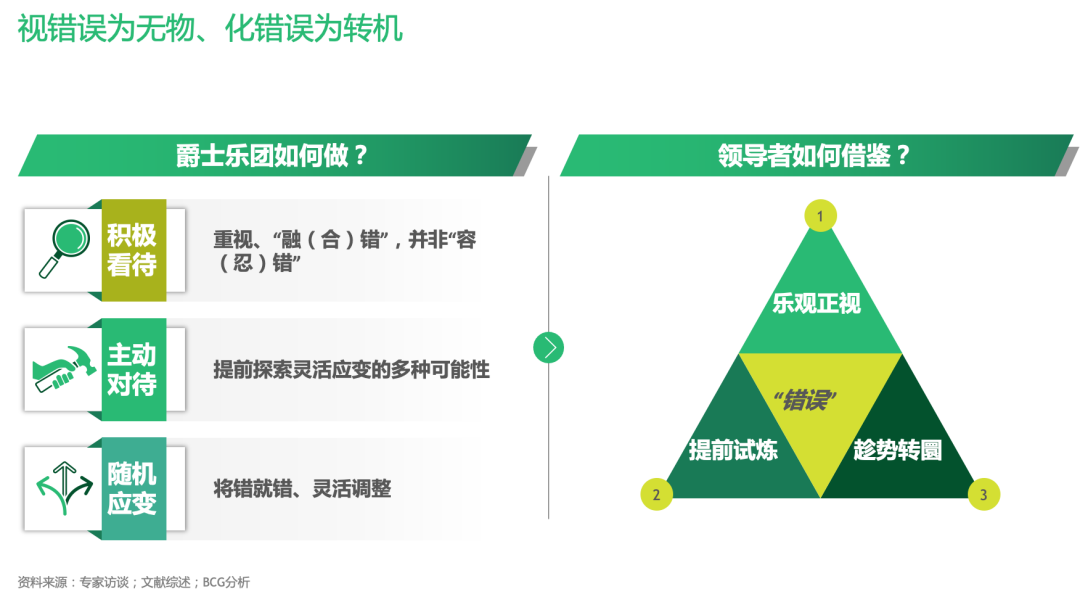
For another example, Microsoft's successful transformation in the past ten years is considered to be a model for implementing "growth mindset" leadership. It breaks the inherent thinking, promotes employee cooperation in the performance appraisal system, listens with curiosity and empathy, fully understands and solves customer needs, learns from the outside, promotes exploration, and tolerates mistakes. This is also in line with the fourth and fifth traits of Jazz leadership:
Finally, when you’re thinking about digital transformation, modeling Jazz leadership is key to your ability to drive transformational change:
Related old articles:
Leadership Thoughts | The boss’s role lies in strategy, not in competing with subordinates
Business Leadership | Personal traits of witnessing the success and failure of private entrepreneurs for twenty years
Leadership | Conflict and balance between experts and management talents
Leadership | Experience map applications and cases in executive development
Strategy and Leadership | Empathy in Business
Execution is leadership
Strategy Execution System—BLM—Leadership Module Strategy
Analysis of the significance of strategic planning and leadership development application of IBM BLM
Machine-translated from the Chinese original 果总讲稿 | 数字化领导力 (published 2022-04-14). WeChat original ↗