Using AI to empower traditional enterprise solution software such as ERP, CRM, and HCM, the current practice that can be observed is to develop digital products and scenarios on top of these enterprise-level core systems, which is actually the development of plug-ins. This self-research method requires enterprises to establish an enterprise-level platform for digitalization, data and AI (i.e., "middle platform" or "cloud platform"). The architecture is relatively complex. It may be a feasible strategy for the digital transformation of large enterprises. However, for medium-sized enterprises that lack their own development resources, it is difficult to master the technical work of development and operation. Therefore, using AI to reshape enterprise solution software is the way to go. "Intelligence" is the main feature of "next generation ERP", "next generation CRM" and "next generation HCM" (see "Third Generation Enterprise Information System" |Examples of manufacturing, real estate, and consumer goods industries》).
AI changes ERP in three aspects:
1. User experience:
Artificial intelligence technologies such as image/speech recognition, multi-modal data fusion, and intelligent recommendation have changed the input method of information systems and the human-computer interaction interface, creating a better user experience. For example:
-
Automatically fill in system information based on voice, image recognition, etc. (such as " Vision and Practice (2)|Artificial Intelligence Changes CRM/ERP 》)
-
Human-computer system interaction based on natural language of speech or text
-
User operation guidance or business process automation based on real-time intelligence rather than simple rules (such as " Three Talks about Process Mining | Intelligent Navigator for Enterprise Business Processes 》《 Hyper-automation | The ultimate form of business process digitization and ERP 》)
2. Integration of operations, analysis and intelligence
The enterprise solution software that became mainstream in the 1990s was all oriented towards operational processing, that is, the onlineization of business operations:
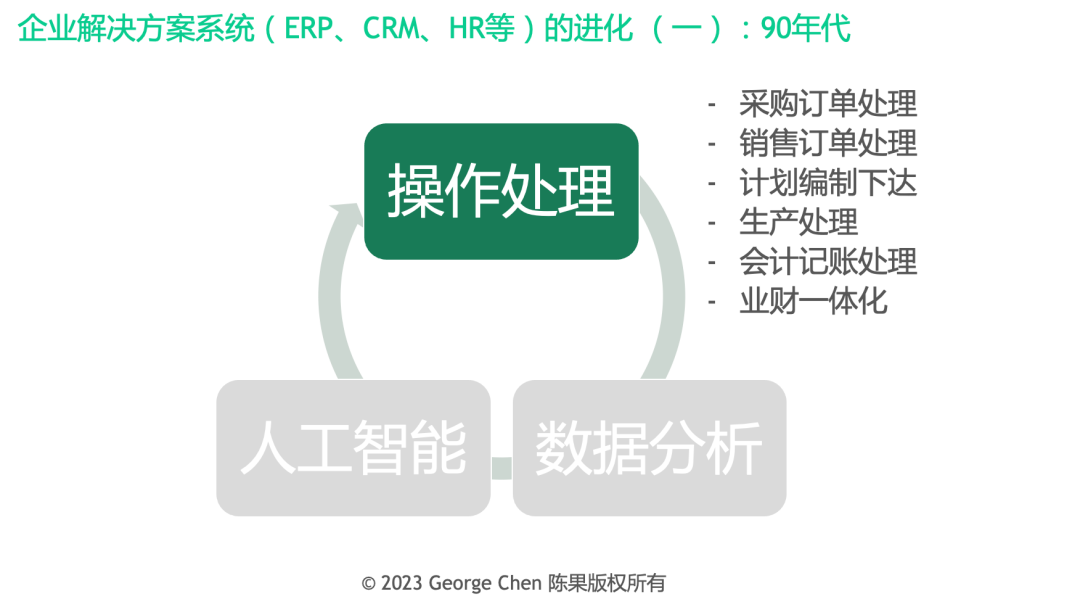
After 2000, with the maturity of enterprise data warehouse (EDW) and business intelligence (BI) technologies, data analysis functions were added to enterprise-level operating software. However, due to technical limitations at the time, these analyzes in the form of reports were non-real-time and required complex technical systems to extract, process and manage data. In recent years, with the development of big data technology, data analysis has transformed from offline and non-real-time processing to real-time online analysis:
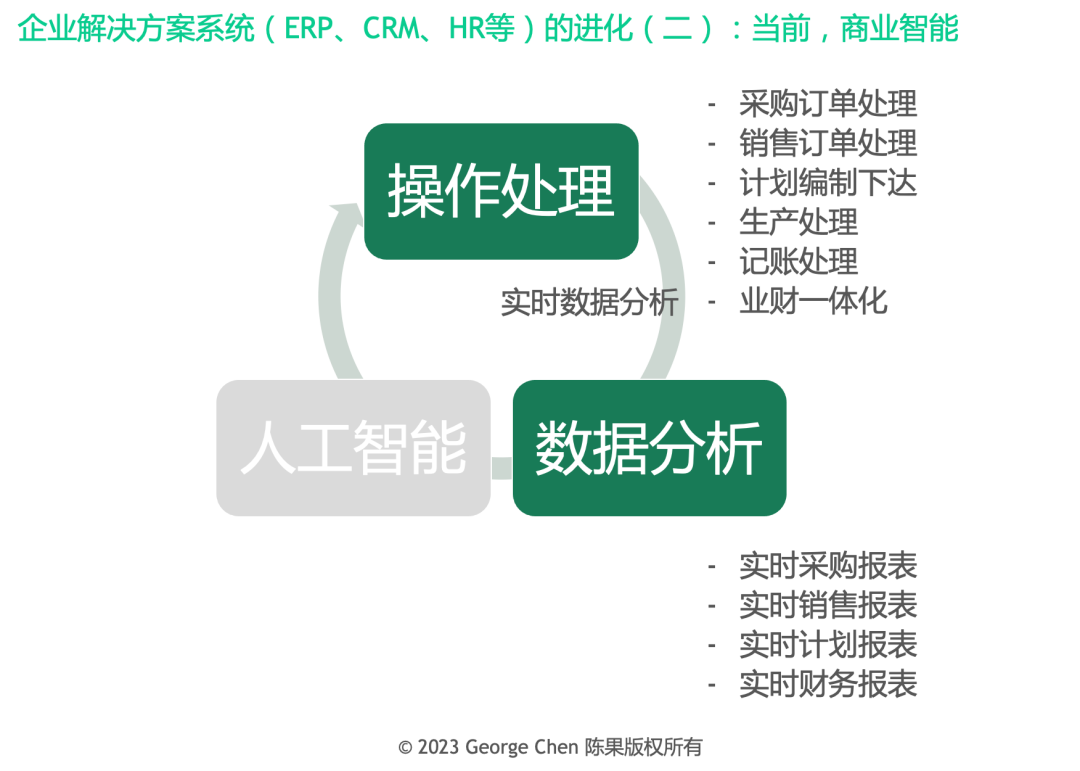
Data analysis is a simple insight, while artificial intelligence is a more complex pattern insight based on data, and makes judgment decisions through machine learning:
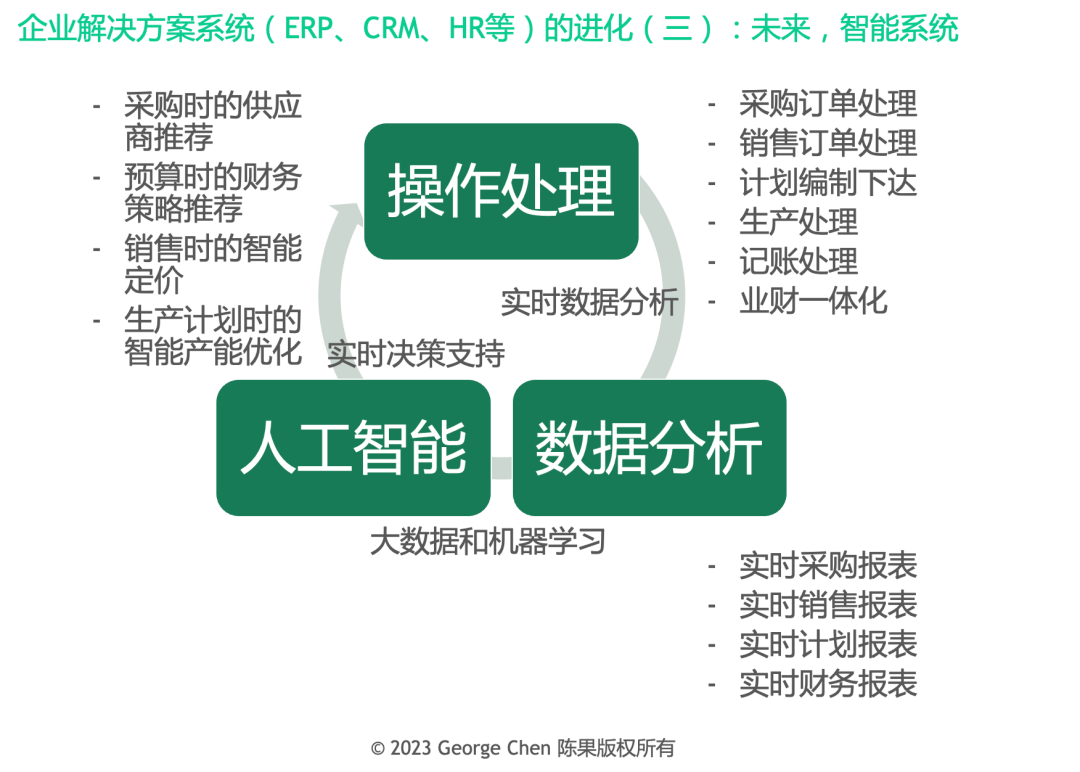
Let’s imagine a few application scenarios:
* ERP procurement management:
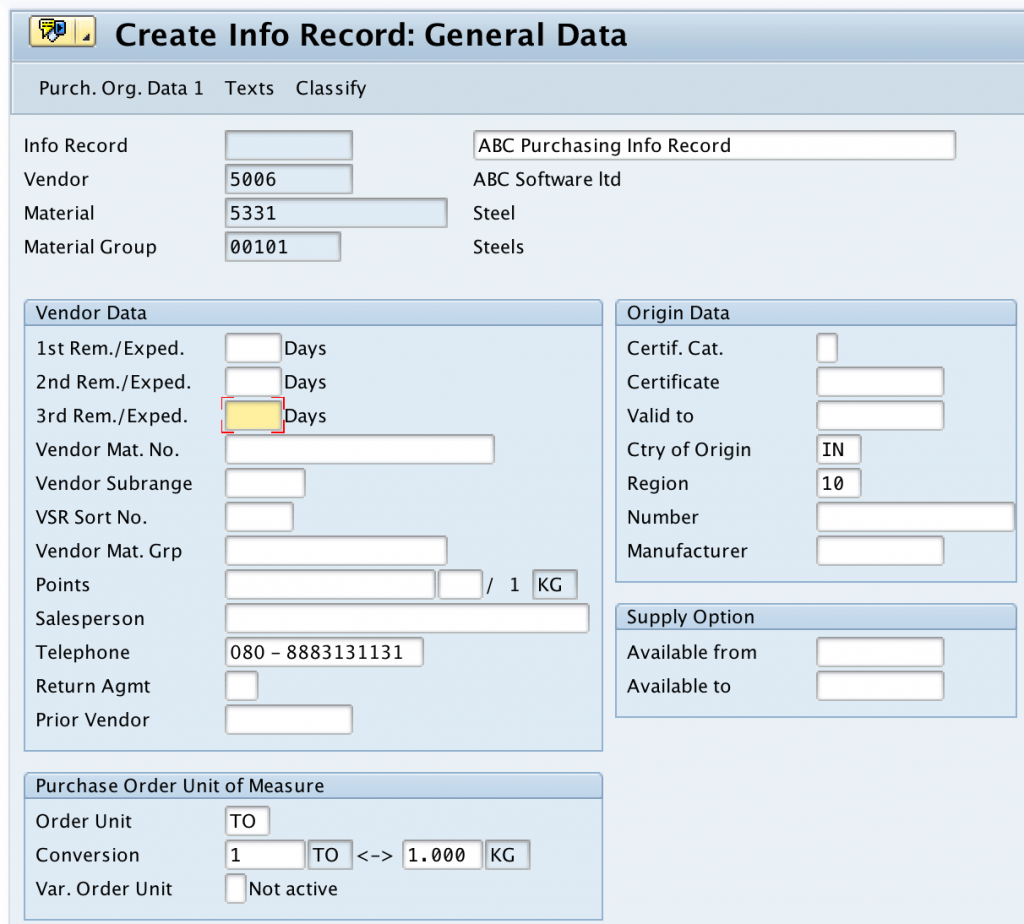
In the first stage of ERP, when placing a purchase order, you need to manually select suppliers. The ERP system also provides some information records (such as "source list", "purchasing information record" in SAP, etc.). Which suppliers are recommended for the material and what is the past purchasing history? This helps the purchasing staff select the supplier for the order.
In the second stage, purchasing personnel can use more visual graphical reports to analyze the market conditions, procurement history and supplier performance of this material to select the appropriate supplier:
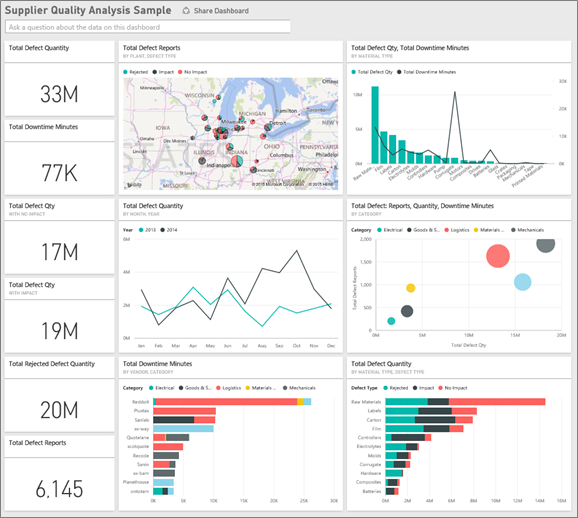
Using artificial intelligence, not only can the system automatically generate recommended suppliers based on artificial intelligence, similar to the recommended products in e-commerce shopping, but AI can also assist purchasers in the supplier negotiation process. We have developed an artificial intelligence procurement negotiation assistant based on game theory.
*Retail ERP product management:

In clothing retail ERP, purchasing plans need to be formulated based on sales and profit targets. This is called "product management". Clothing products include multiple classification dimensions such as style, series, men's and women's clothing, type (clothes, pants), color, size, etc. It is also necessary to consider the display space of different sales terminals, product combination characteristics, etc., as well as the historical sales volume reference of similar products. Therefore, calculating the quantity and price of each product purchase is a manual process in the first stage. In the second stage, a combination of different dimensions is calculated based on historical data:
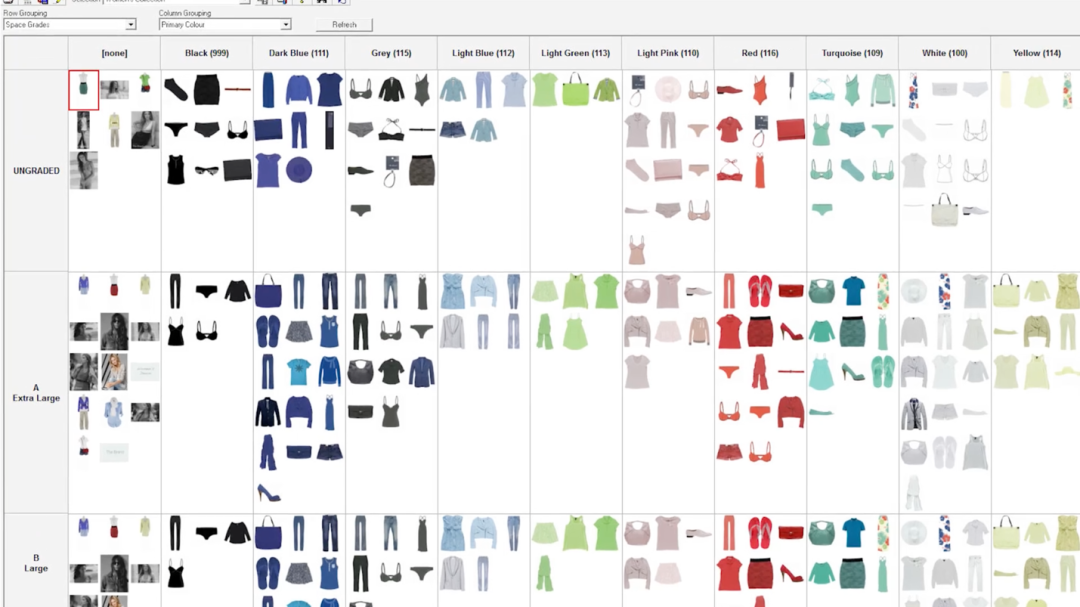
Today, artificial intelligence can be used to obtain more real-time fashion trends in the fashion circle and retail market, and provide real-time purchasing decisions intelligently (see "Cognitive Fashion from Bragging to Implementation | Product Strategy for Artificial Intelligence Transformation of Enterprise Solutions"):
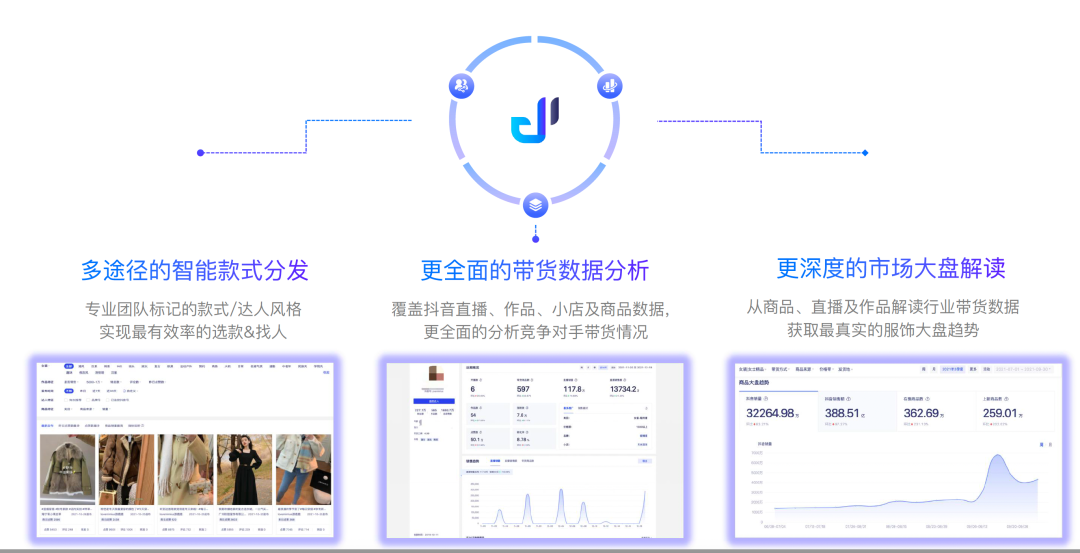
* ERP Accounting and Financial Management
Integration of business and financeIt is the basic function of ERP. The implementation principle of traditional ERP's business and financial integration is to convert business transactions into financial accounting through standardized definitions of business transactions, that is, "parallel accounting". These business standards and accounting rules are pre-configured in the system during the implementation process. Due to the rigor of financial management, high requirements are placed on the standardization of corporate business transactions. If the management of the enterprise itself is very irregular, or the business is indeed very flexible (sui) (yi), it will feel that the rigid ERP is a constraint. This is the fundamental reason why many enterprises complain that the ERP is inflexible.
Today, the architecture of business and financial integration (see "Next Generation ERP | Digital Architecture Modernization of Business and Finance Integration") has some innovations. Using artificial intelligence instead of preset rules should be able to solve the accounting rule judgment of business activities. However, in the domestic market, I have not found an accounting engine based on artificial intelligence. It is said that financial data categorization and data input based on AI should be a business scenario where AI's expertise can be fully utilized.
In other areas of financial management, whether it is risk control in expense processing, optimization of tax planning for fund collection and payment, cost reduction evaluation of financial budgets, etc., there are opportunities to use AI to optimize processes. (See "BI and Artificial Intelligence Applications | Are there opportunities for "intelligent strategic finance" in China?")
3. System processing of big data
In the past, the data processed by enterprise systems was "small data" enclosed within the system. However, by using AI to transform the core system, what is fed into the system is big data. For example, through the transformation of the manufacturing industry through the Industrial Internet (see "How the Industrial Internet Creates Value for Enterprises"), the Internet of Things provides big data on the real-time operation of equipment for ERP equipment maintenance. Through intelligent proactive maintenance strategies, it helps to improve the overall equipment efficiency (OEE). Access to the Internet of Things data also makes supply chain planning and supply chain execution smarter and more real-time. Another example is the fashion retail product management mentioned above, which also uses AI to enable product management to process massive fashion data generated by various external data sources.
The advantage of artificial intelligence lies in processing global big data in the digital world, enabling traditional enterprise information systems to achieve real-time intelligence that cannot be achieved by humans.
AI's transformation of ERP is not only a function enhancement of the original system, but also a rethinking of business processes. ERP, CRM, and HCM are all worth redoing in the AI era, so I suggest that AI vendors look at the vast market for enterprise solution software (core systems) and think carefully about the strategy of building a platform, a tool, or an application. See "Enterprise Software Companies Need to Find the Right Runway" and "Enterprise Software Companies Need to Find the Right Runway (Continued)."
Machine-translated from the Chinese original 下一代ERP | 人工智能将如何重塑企业解决方案软件 (published 2023-02-28). WeChat original ↗