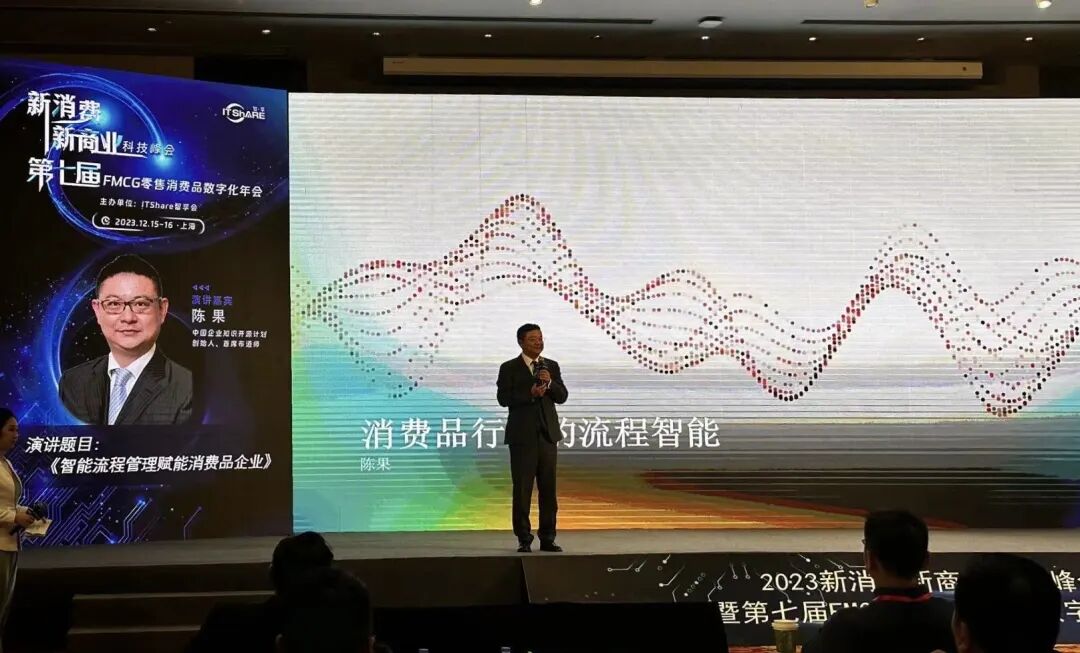
On Friday, I introduced the application of process intelligence at a consumer goods industry forum, and yesterday I gave a business process management training to a large enterprise. In both meetings, I mentioned that process mining should be applied to process simulation, and both received very enthusiastic responses from the audience.
What is process simulation? I made a popular analogy in two speeches. The business process of an enterprise is like a road you drive on. For example, if you drive from Shanghai to Beijing, that is, there is a specific starting point and end point. The road you want to walk in the middle is a process. What are your moves before hitting the road? Did you use Baidu Maps to look at the road? Baidu Maps will recommend several optional routes and estimated arrival times for you based on historical traffic data and various real-time conditions (such as highway traffic conditions, weather, etc.).
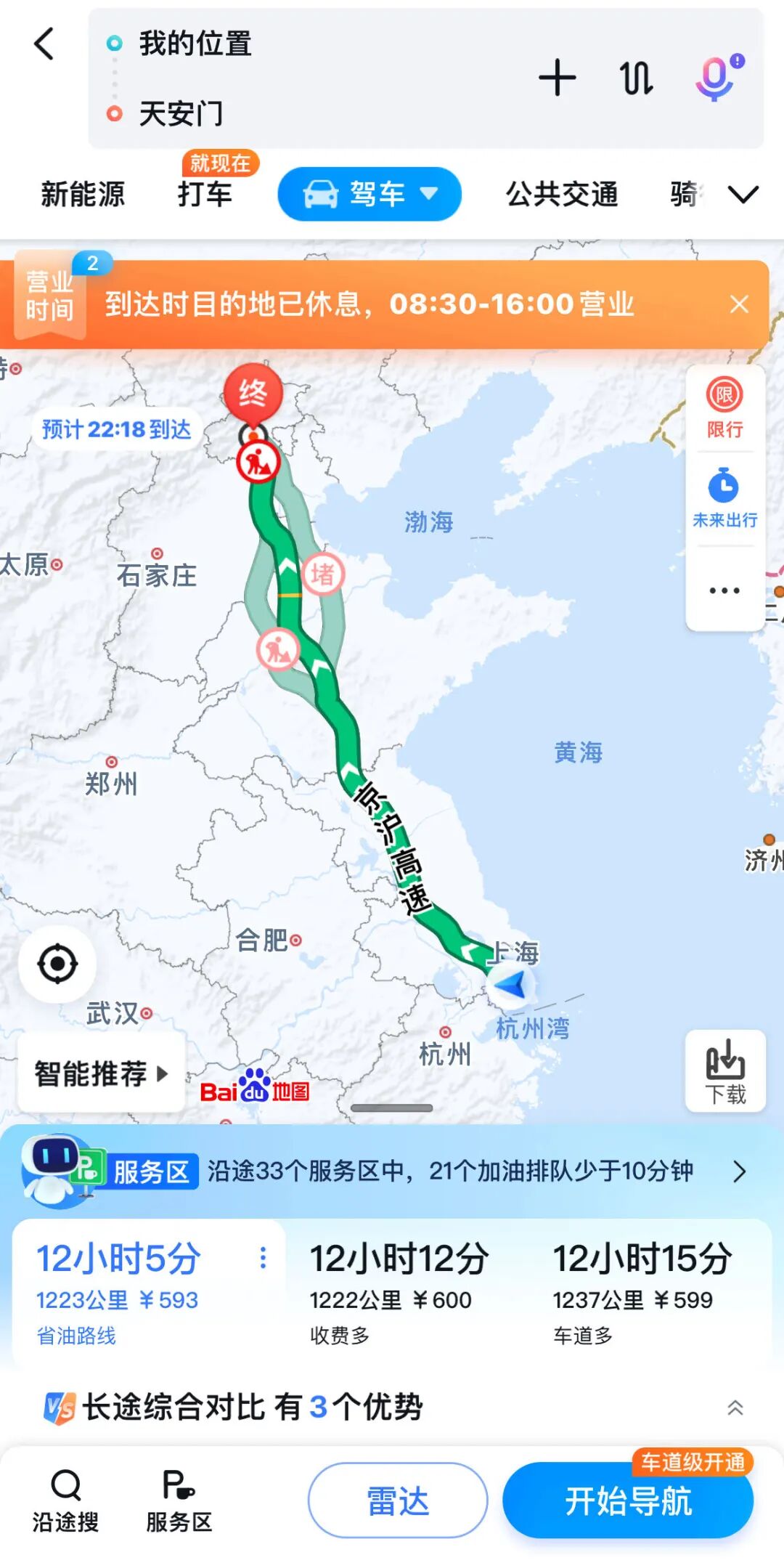
This is "process simulation", also known as "process simulation".
Process simulation is to simulate the process execution situation and observe the performance of process execution after the process is designed and ready to be put into application, or before executing the designed process, so as to identify possible bottlenecks and risks in process operation and make business optimization decisions accordingly.
Process simulation is actually a relatively old technology. Since the late 1980s, when Professor Scheer, a pioneer in process management, proposed the method framework of digital process engineering, process simulation has been a key link, used to verify and optimize the process model when implementing it into the information system.
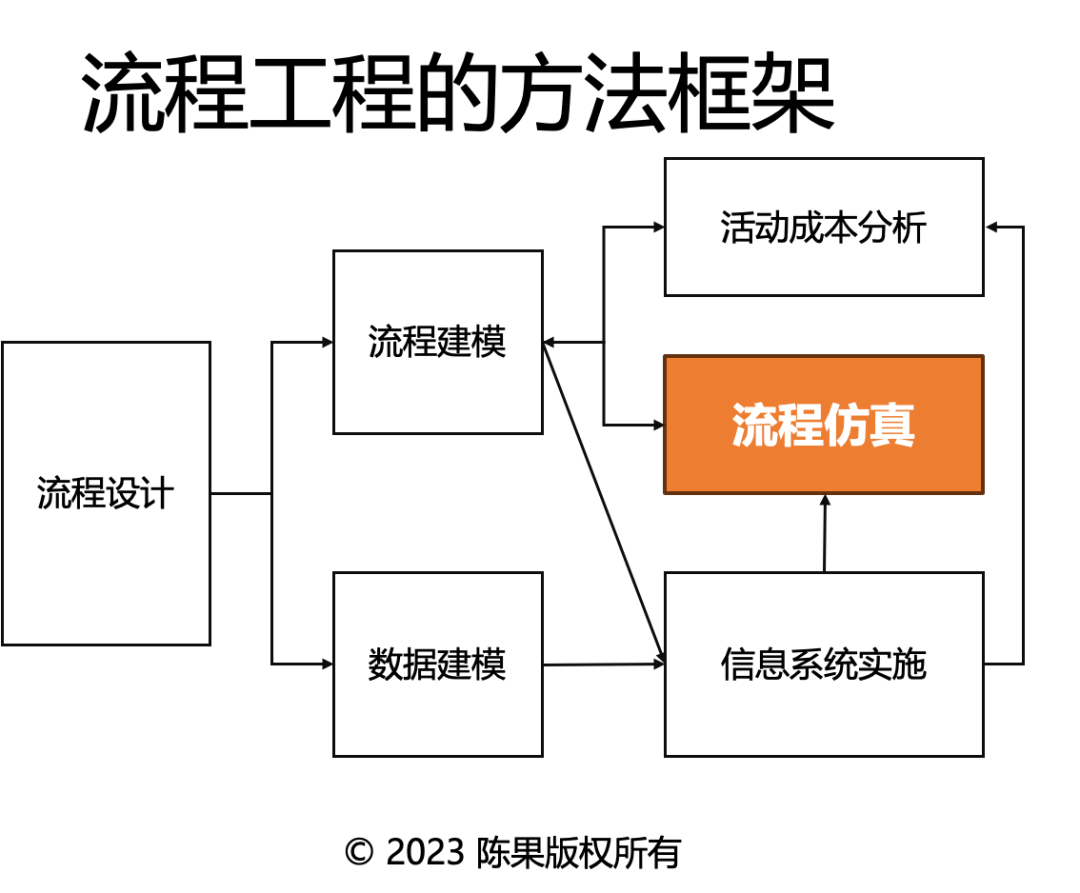
In the early years, the academic significance of this methodology was greater than the practical business operational significance. Although process simulation software tools appeared very early, due to limitations in technology, data and other conditions, from business process design to enterprise-level system implementation, few companies would actually use process simulation tools for management.
The idea of business process management and the idea of manufacturing operation management are the same. Professor Scheer himself switched from computer integrated manufacturing to business process management. The word "process" of business process and the "process" of manufacturing are actually the same word, but they are different when translated into the Chinese context.
The manufacturing process, from planning and design to implementation (i.e., production line layout, machine equipment selection, equipment processing parameters, worker settings, etc.), has been diligently pursuing digital simulation. Because the production line investment is huge, if there are insufficient considerations during planning, it will be very difficult or cause additional costs to adjust after problems are discovered after implementation.
Mainstream manufacturing digital manufacturers all provide solutions for manufacturing process simulation, which is also an important part of the "digital twin". Process simulation in the process industry focuses on the processing parameters of production equipment, while process simulation in complex discrete manufacturing is more similar to business process management. For example, Siemens Tecnomatix has a history of several decades. Watch this video to get a feel for it:
The dynamic process model formed by using process mining technology is a model of real-world process events.process digital twinimportant basis. Process mining technology solves the problem that traditional static process models (such as manually created BPMN, EPC, UML and other process representation models) cannot truly reflect the actual execution of business processes, which is the phenomenon of "two skins of system and process".
However, process mining technology also has certain limitations: because the generated process model only comes from the event log data of process transaction processing, it lacks contextual information about the business. This information includes macro factors and enterprise micro factors. For example, the logistics and transportation industry may be affected by weather and social activities, the real estate industry may be affected by interest rates, and the retail industry may be affected by seasonal changes, promotional factors, etc.; for example, the efficiency of the enterprise's supply chain delivery process decreases, which may be due to production equipment maintenance or supplier problems. Therefore, simple process mining is still insufficient for dynamic analysis and prediction optimization of processes.

If we integrate multiple contextual data sources into the process, we will form a process model with a more contextual view, that is, a "process digital twin", which can be used to:
- Real-time monitoring of processes
- Process simulation
- Process predictive analytics
In the article "Business Simulation | The Best Enterprise Management Software for Science Students", I wrote about the use of process simulation technologies such as system dynamics, discrete events, and organizational behavior simulation. These technologies, combined with artificial intelligence technologies such as machine learning, provide business simulation capabilities for process mining.
The most common process simulation method is the Monte Carlo method. Mr. Guo personally operated a consulting case 20 years ago and built a process simulation model to verify the implementation of a PLM system. For opportunities to improve the efficiency of corporate R&D processes, see "Consulting Cases | Investment Benefit Analysis of IT Systems".
Today, process simulation has more commercial applications based on process mining and machine learning technology. For example, Wangfanxin Technology, a process mining technology company currently mentored by Mr. Guo, implemented such a "process digital twin" project for a consumer goods company to perform supply chain optimization predictions.
Large consumer goods companies have very complex logistics networks from factories, logistics centers, regional distribution centers to dealer stores. Usually the focus of supply chain design optimization is warehouse network planning, that is, rationally setting inventory locations, transportation routes, etc. for product categories. However, under the premise of a given warehouse network design, different transportation routes (that is, different processes) have different delivery cycle expectations. How to optimize the ordering time from channels to factories to maximize punctuality from factory to warehouse, thereby increasing inventory turnover rate and reducing warehousing costs:
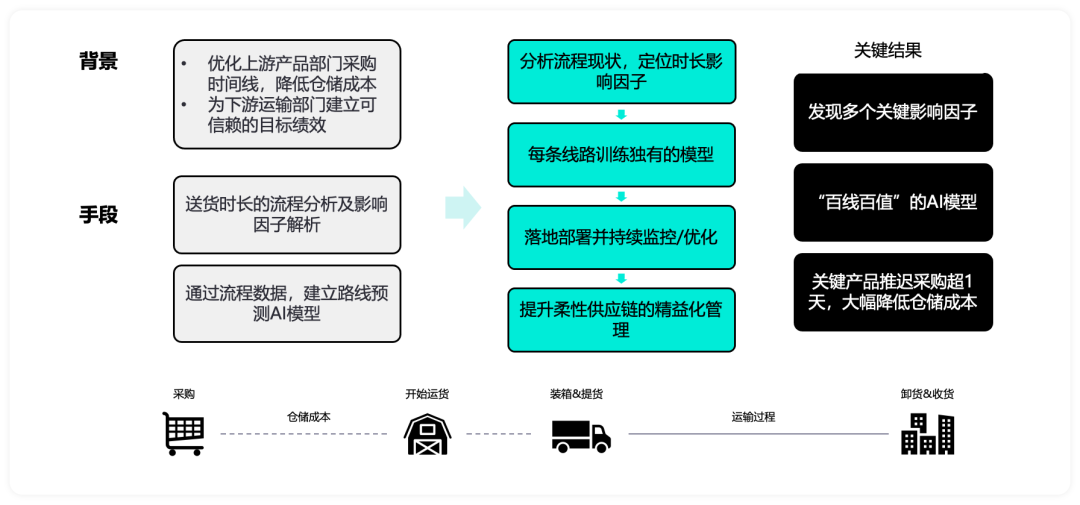
Using process mining technology, based on 123 Tens of thousands of historical waybill data extract business processing records from all aspects of ordering, shipping, transportation, unloading, and receipt, restoring the end-to-end business process of logistics and transportation. Combined with business context data, such as retail terminal sales data, weather data, festival data, etc., a digital twin of this process is established. Based on this digital twin, process simulation and prediction can be done for various influencing factors. For example, what impact may promotional activities, order volume, and precipitation have on logistics delivery events?
If a key product can delay ordering to the factory by one day without affecting store inventory availability, it will bring significant savings to warehousing costs. We can imagine this: when a sales company places an order, if it is worried that there will be too much goods and the warehouse is full, and when you drive out, you will first turn on the GPS to check the route and tell you when you can get to your destination. Can you have such a good experience when placing a purchase order for the factory?
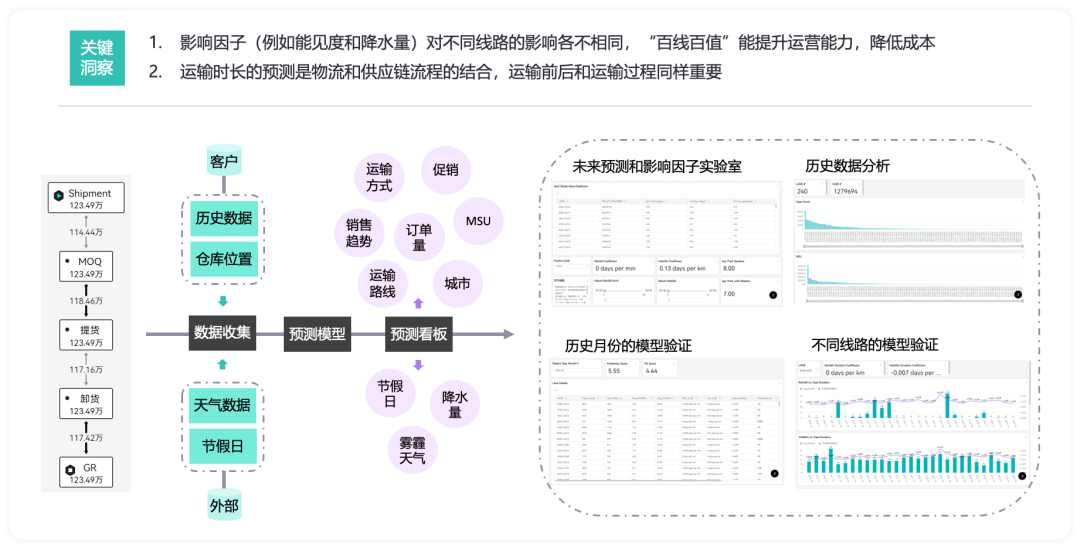
Going back to the analogy I have made many times, business operations are like driving. Managers need to have two dashboards. One is the traditional speed and fuel gauge behind the steering wheel. This is equivalent to business intelligence, and the other is a GPS navigator. This is process intelligence.
Related articles:
Insights into process-based organizations | Process mining X Organizational network analysis = Organizational mining
EMS revolutionizes ERP | Process mining improves business process performance
One hundred years of business process improvement history | Task mining from cinematography to digitalization
Mr. Guo Management Commentary | The Rise and Fall of Business Process Reengineering (BPR) (Part 1)
Mr. Guo Management Commentary | The Rise and Fall of Business Process Reengineering (BPR) (Part 2)
Four talks about process mining | Process mining helps China’s management consulting industry achieve transformation and upgrading
Three Talks about Process Mining | Intelligent Navigator for Enterprise Business Processes
Let’s talk about the “Business Process Mining” platform and cloud accelerator
Two dashboards for enterprise management | The difference between business intelligence (BI) and process intelligence (PI)
BPMN 2.0 | How to implement the business process of consulting projects? What should a practical flow chart look like?
Machine-translated from the Chinese original 企业运营GPS导航 | 流程仿真和流程数字化孪生 (published 2023-12-18). WeChat original ↗