My article the day before yesterday said that it is difficult to evaluate domestic ERP because we don’t know the detailed functions. Some enthusiastic netizens provided the community website of domestic ERP companies. Today I spent most of the day studying the functions of a flagship domestic ERP software product.
The website provides relatively rich functional descriptions, screenshots and application cases, but there is still a gap between the functional richness of SAP. The flagship product can still feel that it can handle the complex business of large enterprises, but the functional modules are stacked up and connected with each other. Unlike SAP ERP, it feels that the modules are inextricably linked. This can also be considered that domestic software is more flexible.
No, I think the more important difference is not this.

I remembered the story told by the SAP company training teacher when I was taking SAP consultant training more than 20 years ago: When he went to Germany to study in the 1980s, he discovered that the Germans’ habits of sorting and filing documents were different from the Chinese. Germans spend a lot of time filing documents. They put many label "ears" on each document, making it easy to find them later;

The Chinese way of archiving is to put a large pile of documents into a dossier and write a dossier summary. This is very efficient when filing. However, when you think of an information need later, it is very troublesome to find the file. You don't know which dossier to look for.
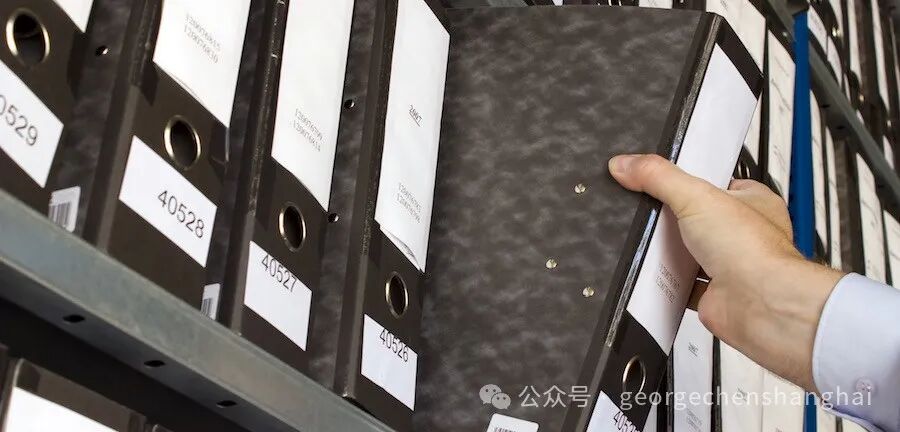
This difference can be clearly felt in the functions of Chinese and foreign ERP. The definition of organizational dimensions and business characteristics of foreign ERP software is very complicated, so when doing a business, a lot of information needs to be input to pass the process. This is why Chinese users often complain that foreign software is inflexible, but when using the information later, such as running plans or producing reports, it is very powerful.
When doing business with domestic software, there is no need for complicated definitions of this business action, and it is simple to operate. However, when using information later, you need to do a lot of account book setting, fetching, conversion, labeling and other action processing according to the needs of the information, or you need to carry out secondary development of the system. These concepts are not available in foreign ERP software. This may be the reason why domestic software is relatively simple to implement, but if demand needs to increase later, there will usually be more development.
In other words, Chinese software is called "agile". It starts running first and then iterates gradually; foreign ERP software is rigid, inflexible and complex to operate.
This ideological difference in software design also has requirements for system architecture and underlying technology. Because the underlying structure of foreign software is complex and requires strong data processing capabilities, if the software engineering is not good, there may be operating performance problems.
Machine-translated from the Chinese original 中外ERP比较 (published 2024-05-17). WeChat original ↗