
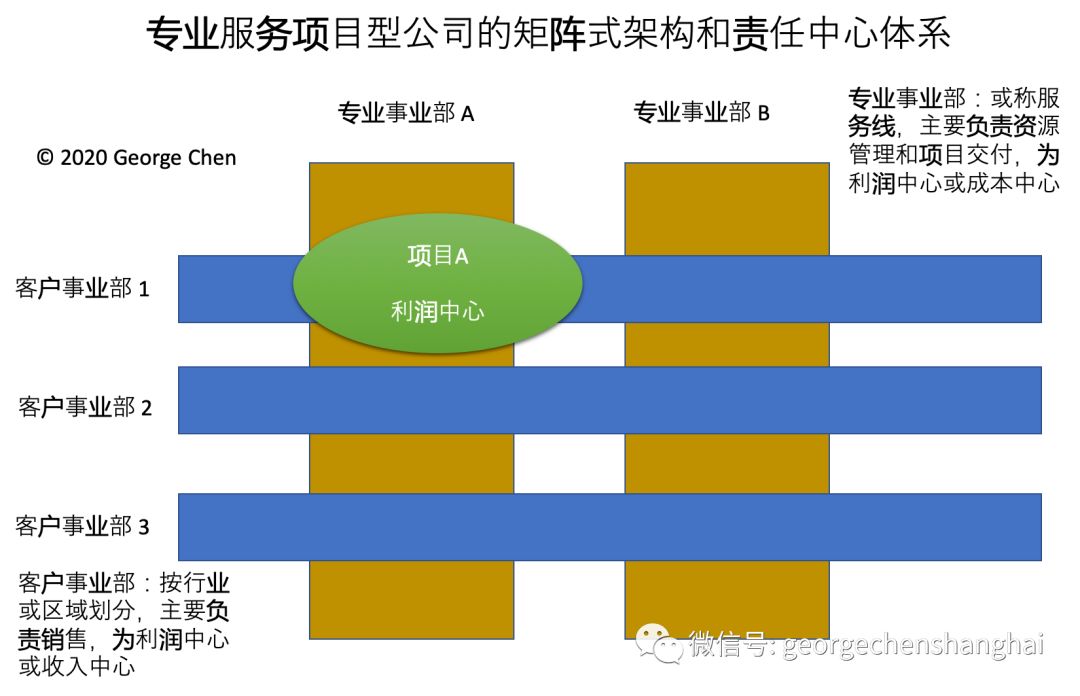
Professional service project companies generally operate based on the organizational structure and responsibility center system shown below: the matrix customer dimension cooperates with the person in charge of the professional dimension (such as a partner of a consulting company); the main responsibility of each project may belong to either of the two dimensions; in terms of management and control, the rights and responsibilities of the organization profit center and the project profit center must be matched.
professional services firmcore business processis sales management and project management, accordinglysupporting processesThere are financial management, resource management, and operational monitoring. Using IT tools to support these business processes can help strengthen project management and control, promote collaboration, and control risks.
The project modules of traditional ERP software (such as the PS module of SAP ERP) solve the integration of project-related business and management activities such as project supply chain, project plans/activities and project costs, while professional project management software (such as the famous Oracle Primavera) specializes in complex project plans, project contracts, resource and schedule optimization, etc. However, due to the various characteristic types of "enterprise projects", see: Operation Management | Enterprise Project Classification Methods, it is difficult for general project-type ERP to be specifically applicable to various types of project management in enterprises.
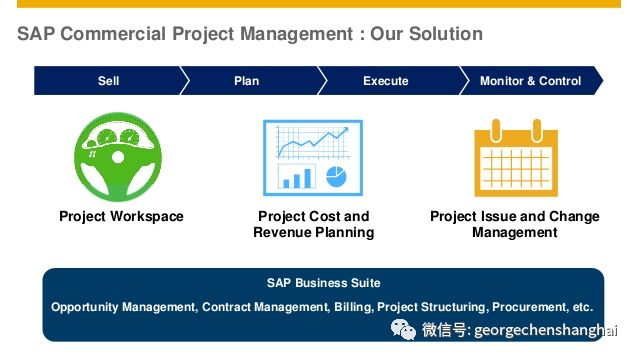
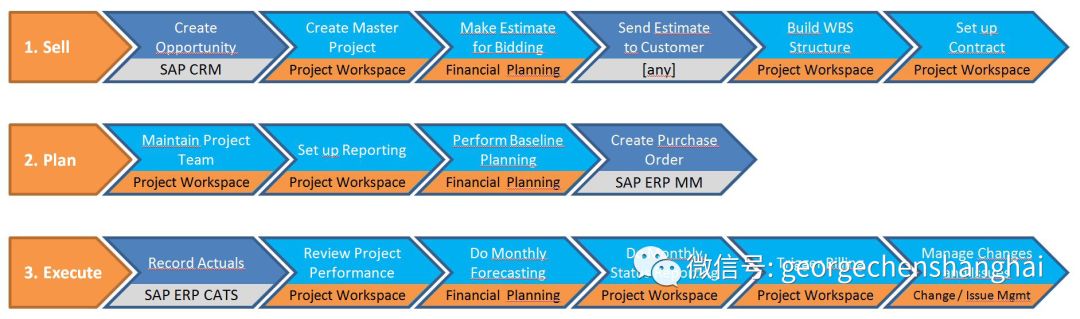
SAP ERP, which has a history of more than 20 years in the field of project-based ERP, did not launch the Commercial Project Management (Commercial Project Management) module, referred to as CPM, for professional service project management until 2014. The figure below shows SAP CPM and the scope of business processes it covers. CPM is a planning and analysis tool built on SAP ERP's standard project module (SAP ERP-PS) and business intelligence (SAP BO); however, in the new version of S/4 HANA and S/4 HANA Cloud, CPM has become a standard feature.
Professional service project companies that use SAP ERP may develop their own project planning and rolling forecast functions. There are also third-party companies that have developed third-party SAP enhancement solutions suitable for "Party B project management" based on the SAP ERP-PS core, such as the one I found online: https://www.novecosystems.com.
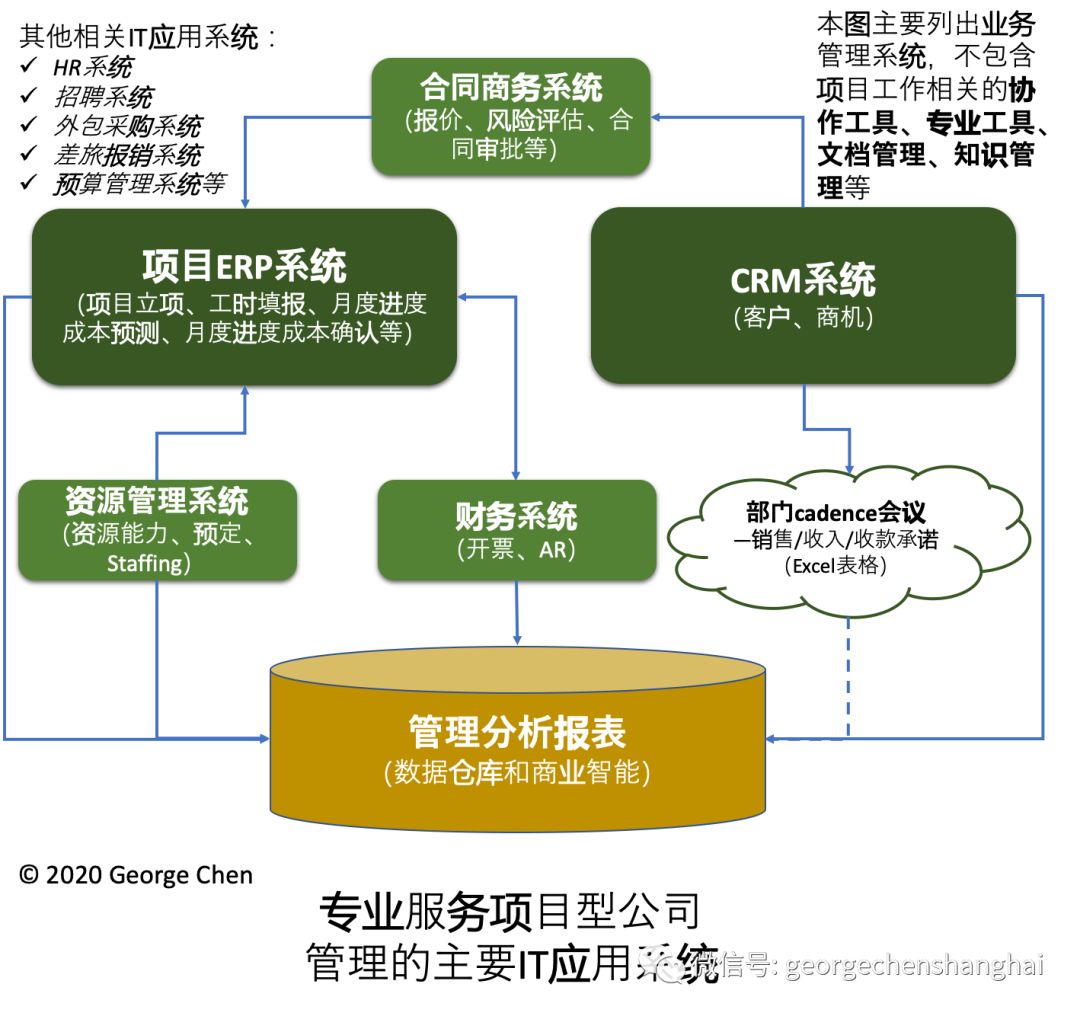
According to my work experience, the IT systems related to business management in professional service project companies mainly include:
Core business system - manages core business processes
-
Sales management CRM system
-
Project management ERP system
-
Financial system (and project management ERP can belong to one suite)
Auxiliary systems - supporting business processes
-
contract management system
-
Resource management system
-
Business intelligence reporting system
Other related application systems - support system, but it has a certain correlation with the business system and can establish a system integration relationship.
-
HR system
-
Recruitment system
-
Outsourcing procurement system
-
Travel reimbursement system
-
budget management system
other tool systems,For example: collaboration tools, agile tools, production platforms (such as DevOps), document management, knowledge management, training systems, etc.
I will describe the overall IT application architecture as follows:
1. CRM system
I organized the sales process of a professional services company from the end-to-end process of the responsible person (the belonging organizational department), sales stages and key activities as follows:
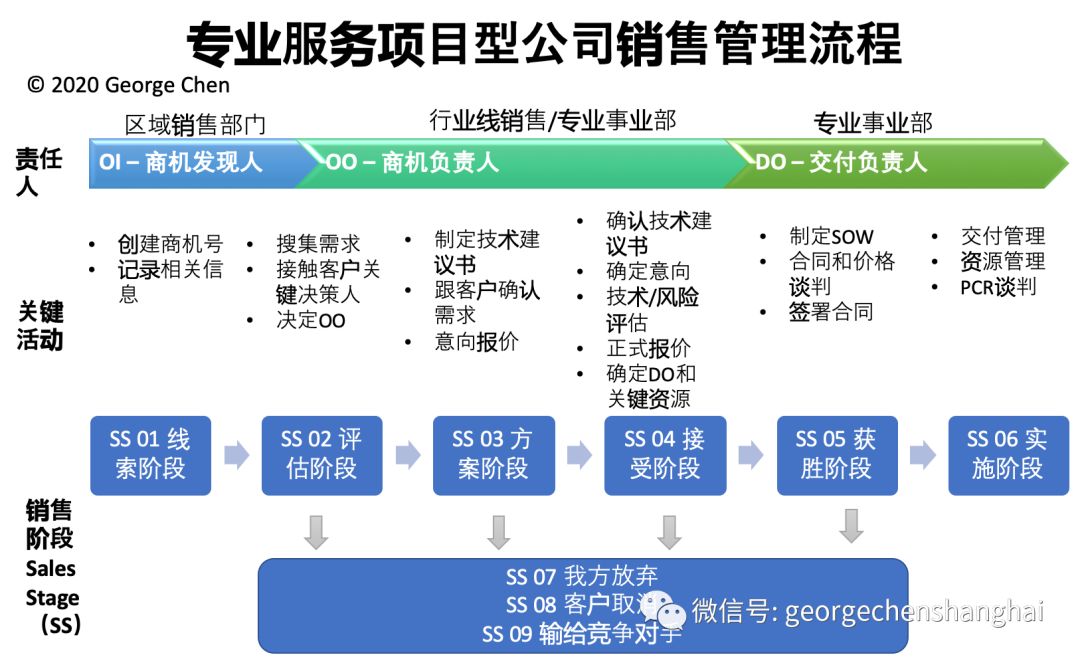
Using a CRM system to cover the above processes, based on system support, can provide the following important information for business management:
-
Customer: Maintain customer information. One customer can have multiple business opportunities.
-
Business opportunities: Manage information related to business opportunities and track sales activities around business opportunities. The amount of the business opportunity and the sales stage (or the probability of closing an order, for example: 100% - signed, 90% - in the contract process, 75% - won the bid, 50% - greater chance of winning, 25% - under opportunity evaluation) are the main indicators for sales control
-
Sales pipeline report: The general manager, sales manager and financial manager use the company-level or division-level summary sales pipeline report to promote sales and support accurate forecasts of contract signing and revenue.
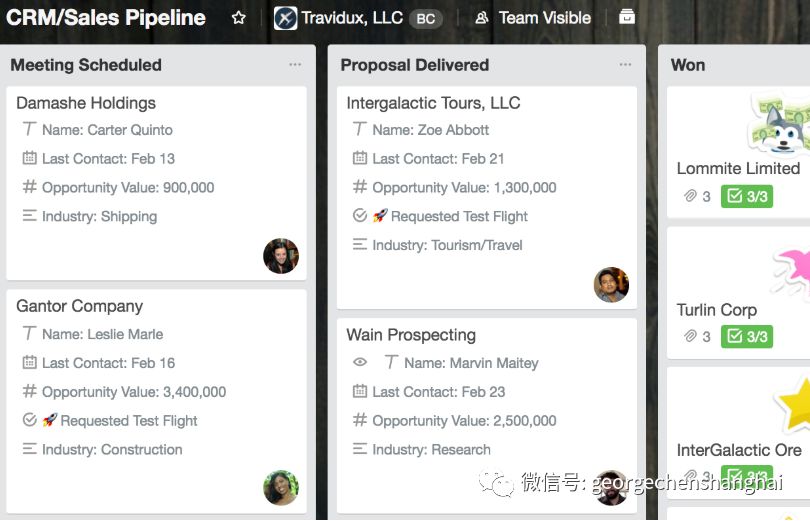
Large professional service companies mostly use complex and powerful CRM systems such as Oracle Siebel and Salesforce. Companies can also use flexible and simple IT tools to manage CRM. For example, it is very popular today to use agile Kanban tools such as Trello to manage CRM. These tools also provide statistical analysis methods for sales pipelines:
2. Contract business system
Since the CRM system mainly handles the management of customers, business opportunities, and pipelines, it may not cover detailed contracts, quotations, and other processes. Some companies that have high requirements for internal control of these processes will have specialized information systems to manage this process. CRM software and ERP software will cover this part to some extent. Enterprises can decide the architecture planning according to the actual situation. Its usual functions include:
Program evaluation:When submitting project proposals or bidding plans to customers, conduct technical evaluation and risk assessment of the plan, and review and approve according to authority
Bidding and quotation process: the business process of processing bids, and bids and quotations are approved according to authority.
Contract approval:During the order entry process, the contract (including legal terms TOB and work content text SOW) is reviewed at all levels and approved according to authority, for example:
-
Legal review
-
financial review
-
Technical plan review
-
resource review
-
Quality Standards/Risk Review
-
Other compliance reviews (e.g. data security, trade restrictions, etc.)
3. Project ERP system (project finance)
After the sale is completed, the project can be officially launched; as mentioned in the first article of this article, in order to generate revenue as quickly as possible, the superior company will create a project code and start the project based on certain risk control measures before the contract is signed and completed.
Project-based ERP is the core business system of professional service project-based companies. It realizes the integration of financial business of project management and summarizes it from the project upward to form financial information that reflects the company's operating status. I summarize the end-to-end process of project management as follows:
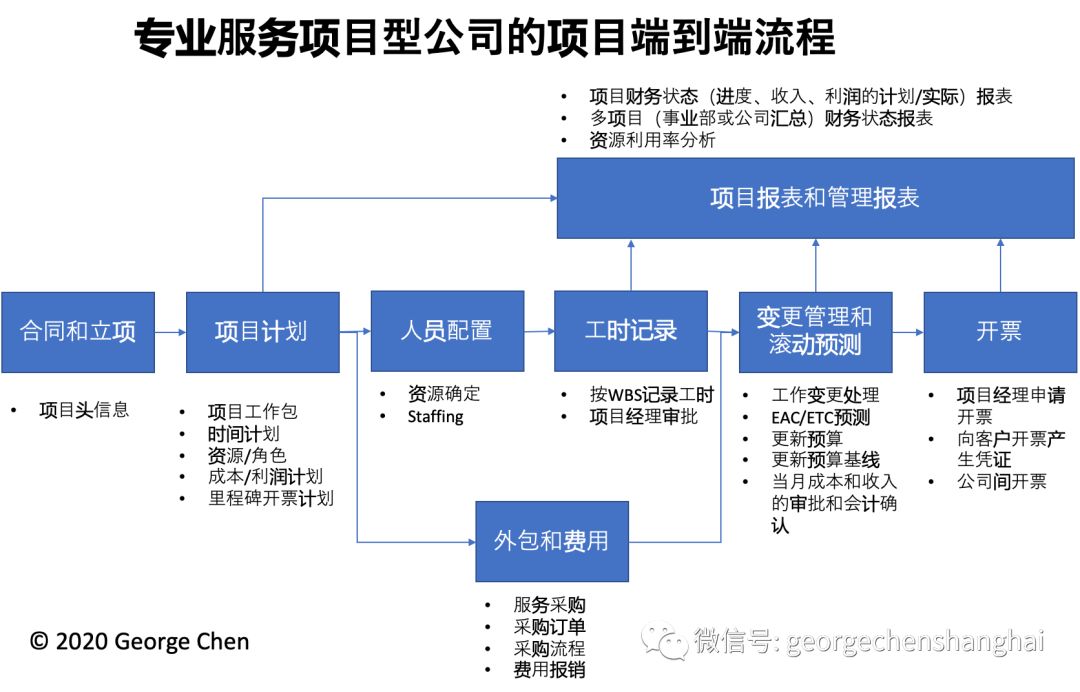
The functions covered by project-based ERP mainly include:
-
Project establishment, establishment of WBS, resource plan, cost budget and project plan
-
Arrange project resources (i.e. people)
-
Project personnel fill in the work report every week and collect the direct labor costs of the project through convenient time sheet management.
-
Other cost and expense information can be imported from the financial system
-
Manage project changes
-
Monthly cost and revenue recognition
-
Monthly progress updates, rolling ETC/EAC cost forecasts, and project budget updates accordingly
-
Project milestone confirmation and notification invoicing
-
Project status report
"Project" is the company's smallest profit center and the fundamental source of the company's revenue and profits. From the perspective of company management, project management needs to focus on the "project financial model" in the figure below, dynamically paying attention to project costs and project gross profit (GP) in the three links of quotation, contract and project execution:
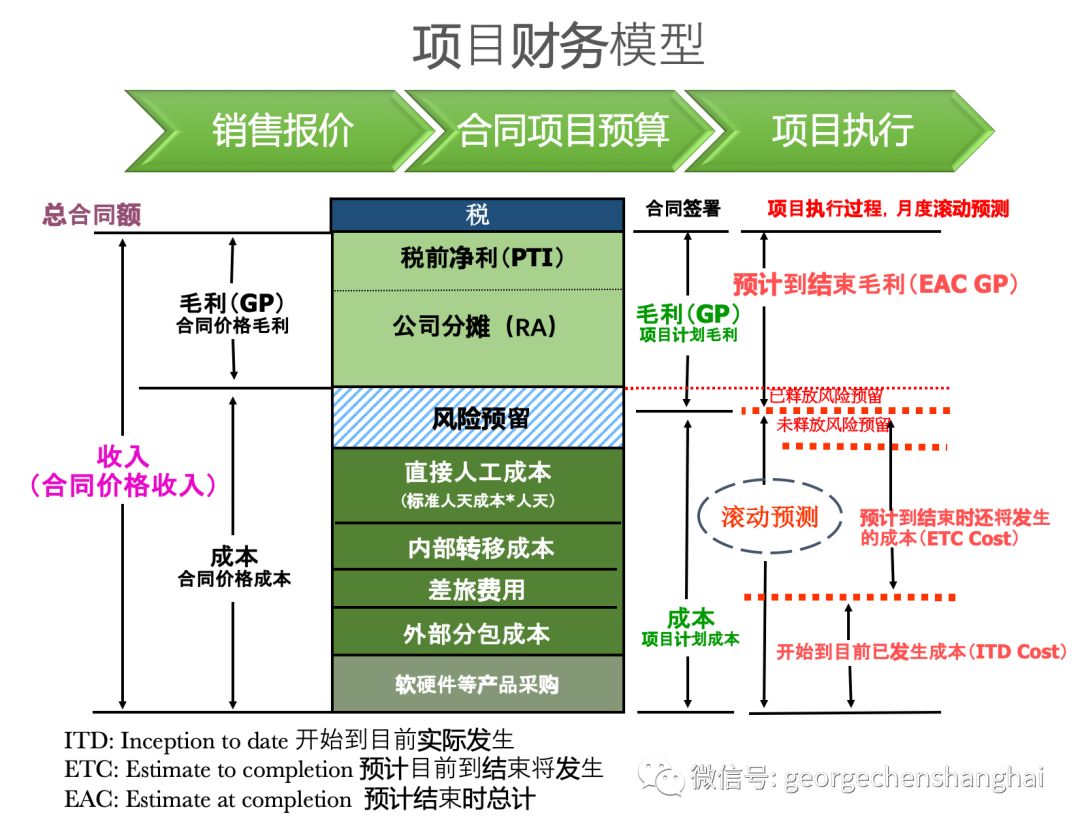
Most client projects of professional service companies have a fixed price, commit resources to deliver according to the scope of work (SOW), and invoice and collect payment based on milestones.fixed price projectThe principle of revenue recognition during the period generally adopts the "percentage of completion (POC)" method, and the relatively small number ofOperation and maintenance projectsRevenue is recognized using the “period amortization method”.Humanity and Nature Project (T&M)Revenue is recognized using “invoicing based on confirmed person-days”.
The POC method requires continuous maintenance of the project budget during the project process, collecting and confirming costs on a monthly basis, and thereby recognizing revenue. Not only that, in order to accurately achieve the company's operating budget and timely discover and control operating risks, it is particularly important for the project manager and delivery person (DO) to carry out rolling project financial forecasts every month during project execution.
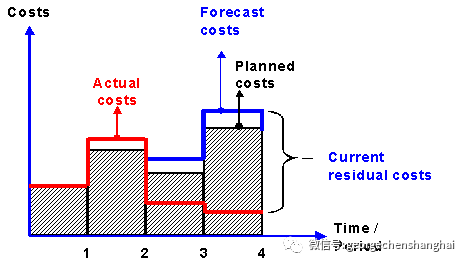
The following figure shows the relationship between "planned cost", "current actual cost" and "forecast cost by the end" on the timeline:
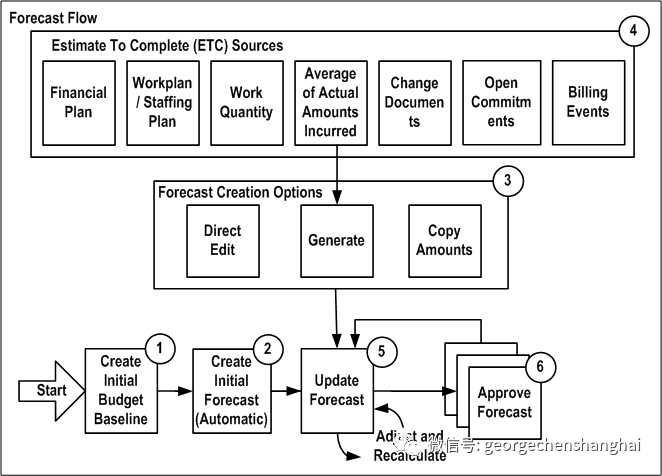
Project planning and budgeting, cost aggregation, rolling forecast, and budget adjustment are the main processes of project-based ERP. The following figure is an example of the relevant processes of the project module of Oracle EBS ERP:
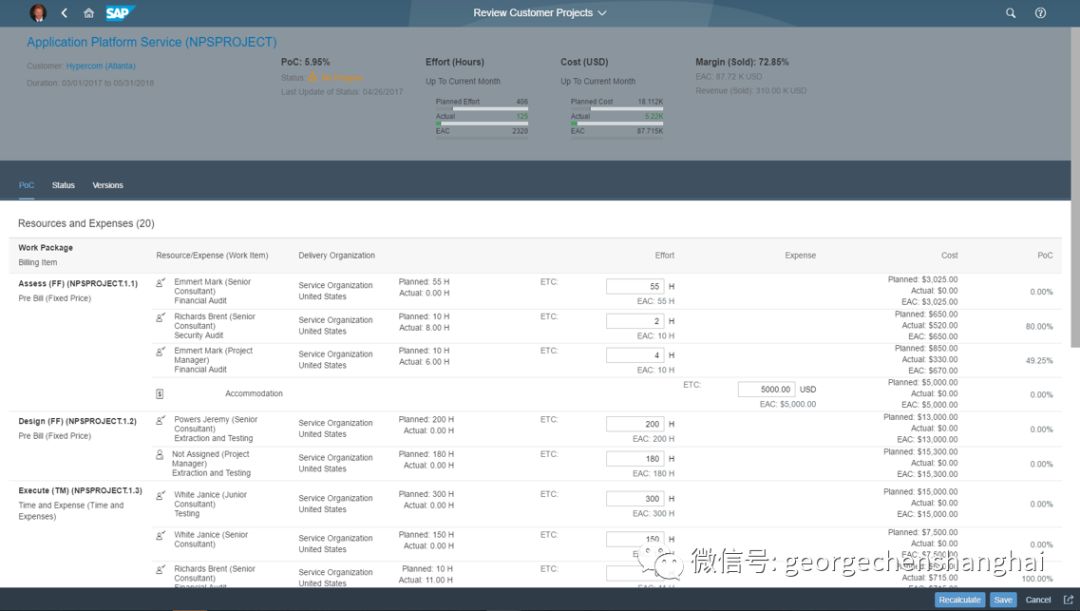
The system screen example of the professional service project management of the latest version of SAP S/4 HANA Cloud mentioned above in this article is as follows. It can be seen that the system displays the cost and expense type of each work package of the project, ETC estimate, planned/actual/EAC amount comparison, POC confirmation ratio and other information:
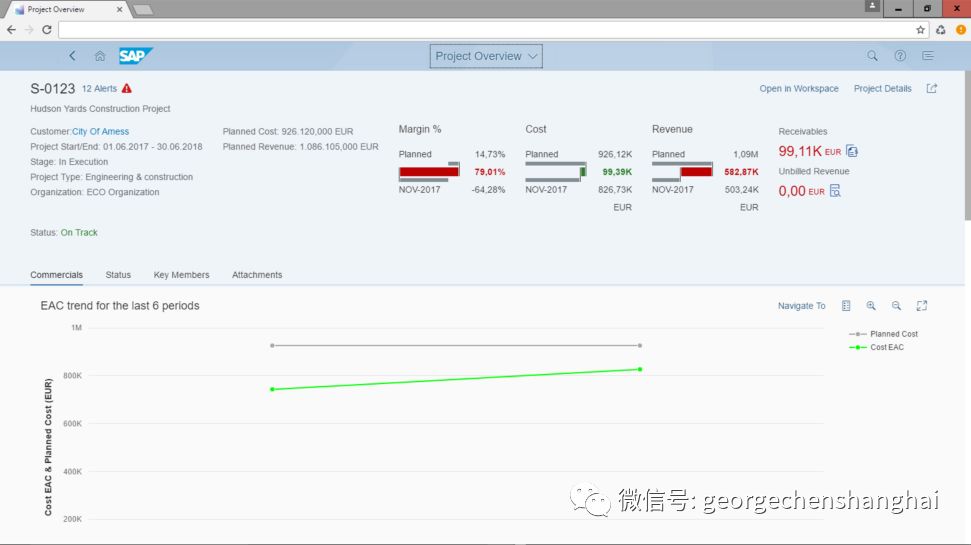
The following figure is an overview of project information:
4. Resource Management System
"Resources" refer to professionals who can be converted into income by investing time in project work, such as project managers, consultants, engineers, etc. The main functions of the resource management system are:
-
Skill management: manage the skills of each resource, skill type grouping, etc.
-
Resource planning: equivalent to material requirements planning (MRP) in the manufacturing industry, matching resource skills and project needs, comprehensive management: resource reservation (based on sales or project conditions, book resources), time point prediction of resources entering and exiting the project, demand balancing, etc.
-
Resource management execution: process management of resources on and off projects
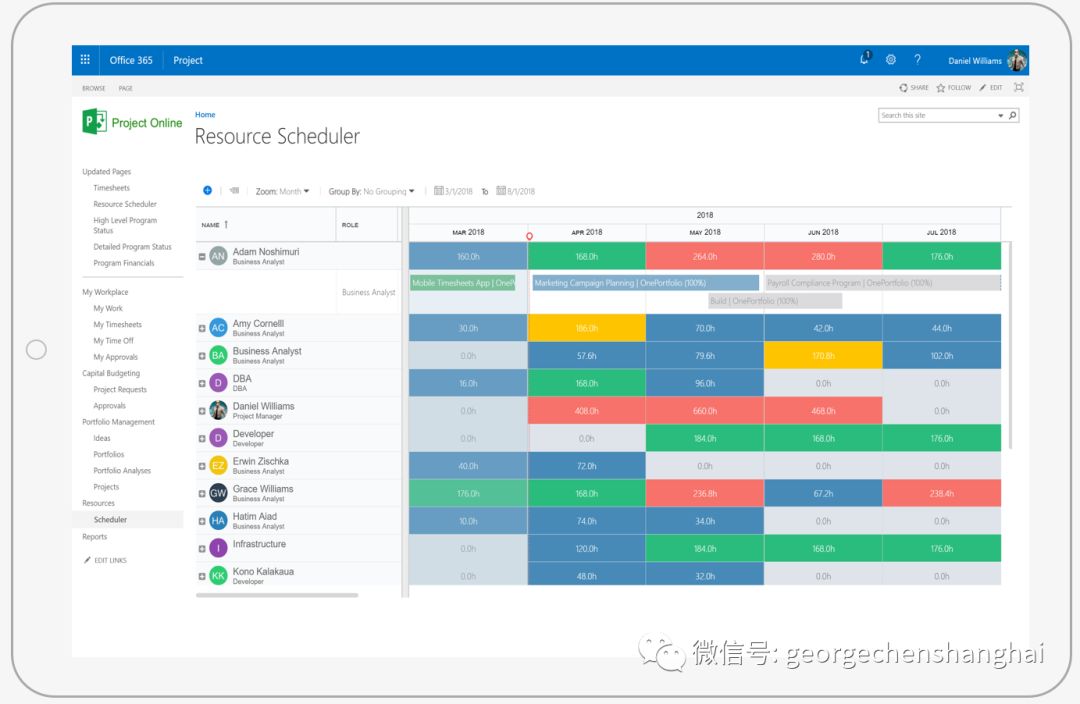
The following figure is an example of a resource management system:
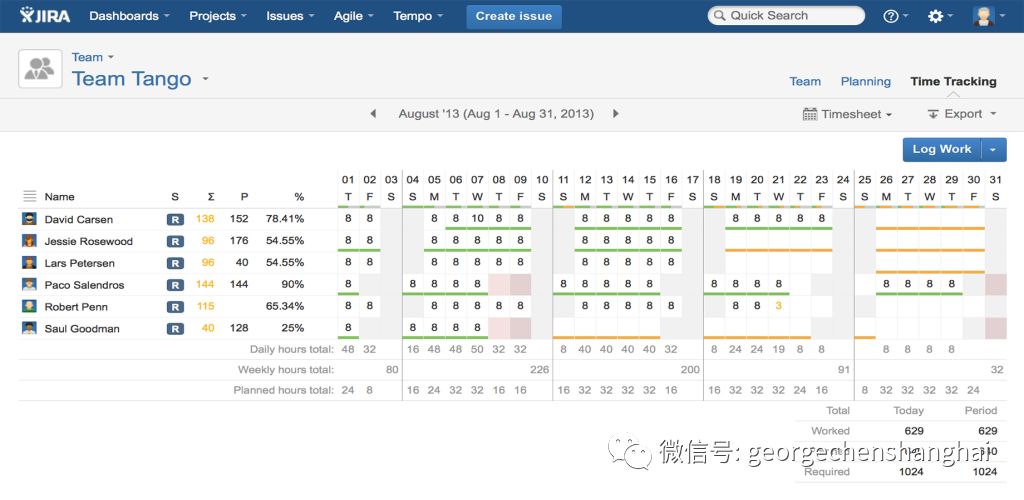
Team collaboration tools used by software companies, such as Jira, can also manage resources well and integrate with project ERP and financial management systems:
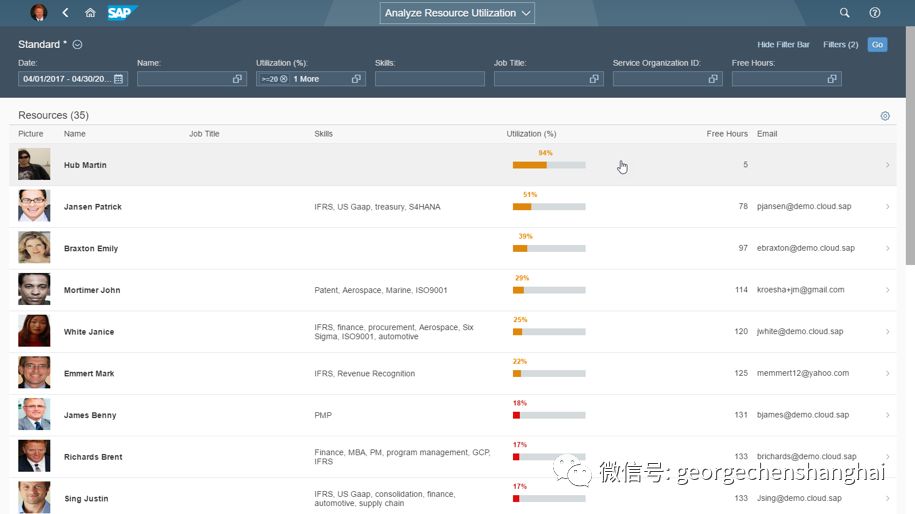
Resource utilization is the lifeline of a professional service company. The entire company must maintain a certain level of effective utilization (productive), while billable utilization reflects the actual ability of resources to generate revenue. Generally speaking, resources with lower ranks have higher billable utilization requirements. The figure below is the resource utilization analysis interface of CPM of SAP S4 Hana Cloud:
5. Financial system
The financial system of a professional service project company is not much different from the standard enterprise financial software, so this article will not go into details. The financial system and the aforementioned project ERP system can be a suite, such as SAP and Oracle, or they can be deployed separately. The main contents covered are:
-
Cost management: including the management of cost centers, cost elements and cost objects, and the collection and analysis of costs and expenses from multiple dimensions such as departments, projects, activity types, etc.
-
Accounts receivable management: pay special attention to the status of accounts receivable that are older than half a year, as well as the provision and recovery of bad debts
-
General ledger management
6. Information records of Cadence, the business unit
The aforementioned information systems record actual business transactions and data, while in management activities, data and information on work plans and task commitments also need to be recorded. The most important management control activity of a professional service project company may be the cadence meetings held weekly, monthly, and quarterly at the company level and in project teams, customer divisions, professional divisions, and other lines.
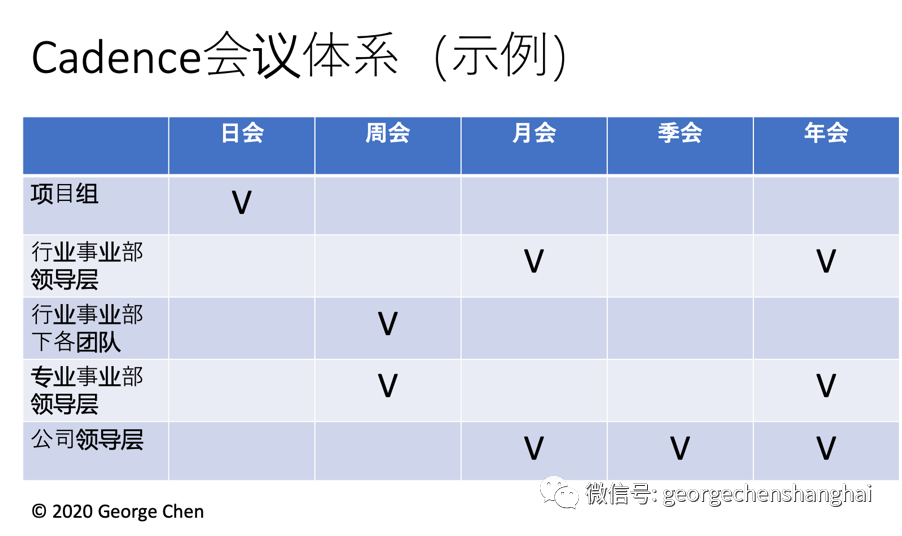
The previous part of this series of articles introduced company-level KPIs. These KPIs are generally viewed on a monthly and quarterly basis. At the business unit level, generally speaking, rolling data on the following matters should be tracked every week, and action plans should be implemented one by one for key business opportunities and projects:
-
Signing: current signing plan
-
Income: current income plan, and other matters affecting income
-
Delivery quality: Control of the total negative gross profit of the business unit's project portfolio (Portfolio), control of the difference between actual costs and planned costs, release of risk reserves, project process compliance and other factors
-
Utilization
-
Other matters
Many companies use Excel to manage the commitment numbers (Commitments) and action plans (Action Plans) reached by managers and bosses in Cadence meetings. If there is an information system to centrally manage Cadence's reports, commitments and action tracking, efficiency can be improved.
7. Management analysis reports
The aforementioned six modules are various aspects of operation management. These operation system data are uniformly injected into the enterprise data warehouse (EDW), and various analysis reports are provided to managers through the business intelligence platform.
Related articles:
Operation management of professional service project companies (1) KPI system
Digital transformation of operations management, please pay attention

Machine-translated from the Chinese original 专业服务项目型公司的运营管理(二)流程、财务管理和IT系统 (published 2020-02-23). WeChat original ↗